Your Cart is Empty



Sudden midnight chatter can disrupt your normal sleep stages and leave both you and your partner exhausted the next day. Fortunately, learning how to stop sleep talking is often as simple as adopting calming bedtime habits that help quiet an overactive mind.

Waking up feeling groggy even after spending a full eight hours in bed can easily ruin your daily energy and focus. If you want to wake up feeling completely refreshed, you must learn exactly how to get more REM sleep by upgrading your nighttime routine.

Waking up from deep rest to a damp pillow can disrupt your morning and, over time, irritate the skin on your face. To break the cycle, it helps to learn how to stop drooling in your sleep by making a few simple nighttime adjustments.

The best magnesium supplements for sleep are not the cheapest bottles on the shelf, but the forms the body can actually absorb. Here is how glycinate, threonate, and taurate stack up, plus what to reach for when magnesium alone falls short.

Perimenopause and anxiety often show up together, fueled by swings in estrogen, progesterone, and cortisol that most women never connect to hormones. Learn the 9 hormonal triggers behind the racing thoughts, night sweats, and 3 a.m. wake-ups, along with natural ways to feel calm again.

Staring at the ceiling while your mind races can make you wonder exactly how long does it take to fall asleep on a normal night. By using a few simple cognitive tricks, you can quickly quiet your thoughts and significantly reduce the time you spend tossing and turning.

When you feel completely overwhelmed, reaching for a sensory tool might seem like a simple distraction, but there is real science behind why it works. Exploring the psychology behind stress-management toys reveals how these small objects can significantly reduce anxiety and boost your daily focus.

When chronic stress drains your energy, the mere thought of commuting to a clinic can feel completely overwhelming. Fortunately, engaging in online therapy for burnout provides a highly accessible way to regulate your nervous system and restore your emotional health right from home.

Looking for the best supplements for good mood to support emotional balance and daily resilience? This guide breaks down key ingredients, how blends work in the brain, and what to look for when choosing a formula that fits your routine.
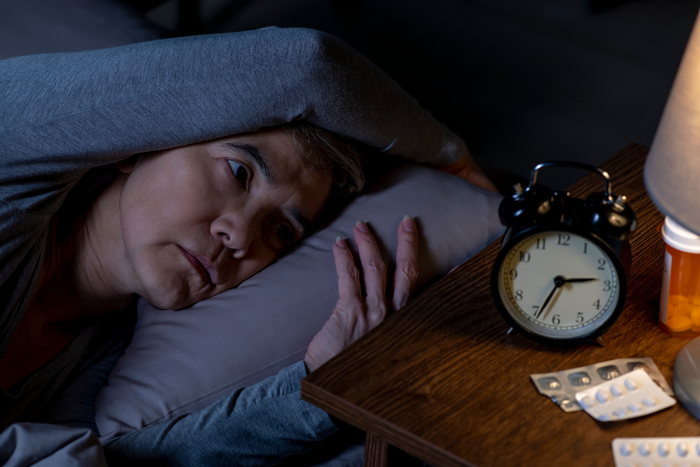
Struggling with how to fall asleep fast when your mind won’t slow down? This guide breaks down simple cognitive tricks that help quiet racing thoughts, relax your body, and make falling asleep feel more natural.

If you constantly feel overwhelmed, polyvagal theory therapy offers a body-focused framework to help you understand your nervous system's physical responses to stress. Learn how recognizing your body's autonomic states can guide you toward better emotional regulation and a deeper sense of safety.

Stress can leave the body stuck in high alert, but simple habits like deep breathing, humming, gentle movement, and mindfulness may help support a calmer nervous system and make it easier to unwind. This article explains how vagus nerve exercises work, which techniques may offer quick relief, and how to build a simple daily routine for stress support and better sleep.