Your Cart is Empty


Staring at the ceiling night after night leaves many wondering exactly how long does it take to fall asleep. Most adults should drift off in about ten to twenty minutes, but poor sleep hygiene and a racing mind often stretch that time to a half hour or longer.
Sleep deprivation is a serious issue that increases risk factors for heart disease, high blood pressure, and various mental health conditions. Counting sheep is a classic remedy, yet modern neuroscience shows it requires too much sustained attention to be effective.
You need reliable strategies that safely distract your brain without stimulating it. Guiding your mind from an alert state to a calm one is a powerful way to manage trouble falling asleep and finally get a good night's sleep.
Cognitive tricks help quiet your mind, but your body needs more to wind down. Mellodyn Sleep Easy is formulated to help you ease into rest naturally.
Discover Mellodyn Sleep Easy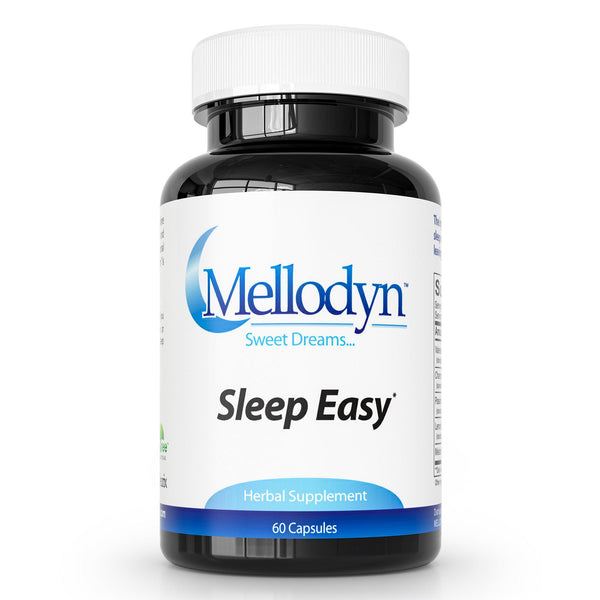
Sleep latency measures the exact number of minutes it takes to fall asleep after your head hits the pillow at night. Understanding this concept helps you gauge your overall sleep health and identify underlying sleep problems.⁴ Knowing how long it should take to fall into a deep slumber allows you to adjust your sleep habits effectively.
The time it takes you to fall asleep is heavily influenced by your internal rhythms and daily lifestyle choices:
Circadian Rhythm: Your internal clock dictates when you naturally feel sleepy and when you wake up feeling well-rested.
Daily Lifestyle Choices: Your everyday habits have a significant impact on how long it takes you to drift off.
Late Afternoon Naps: Napping too late in the day can disrupt your sleep cycle, leaving you lying awake in bed.
Caffeine Consumption:⁵ Drinking large amounts of caffeine interferes with sleep. Avoiding it for long periods before your bedtime routine will improve your rest.
Sleep Schedule Consistency: Sticking to a regular bedtime and wake time helps regulate your internal patterns, allowing you to fall asleep quickly.

Shifting your focus away from daily stress is vital for achieving adequate rest, though you should always consult a doctor if you suspect chronic insomnia.³ Your brain requires a calm environment to initiate the physical changes needed to stay asleep. Using specific mental exercises will help you fall asleep faster and secure more sleep each night.
The cognitive shuffle scrambles your thoughts to mimic the random imagery your brain produces right before sleep. You simply picture a random word and then visualize objects starting with each letter of that word. This method safely occupies your mind, helping you avoid the anxiety of sleep deficiency. It interrupts the looping thoughts that cause poor sleep quality and helps you fall asleep within minutes. Most people find this much more relaxing than dwelling on a growing sleep debt.
Guided imagery involves picturing a calming and detailed scene to promote healthy sleep. You might imagine walking through a quiet forest or listening to peaceful music near a gentle stream. This practice lowers your heart rate and distracts you from the frustration of waking up feeling tired. Focusing on pleasant sensory details provides deep relaxation, which is especially helpful since various mental health conditions can cause poor sleep. A proper sleep environment enhances this visualization process and leads to highly restorative sleep.
The right routine works even better when paired with the right support. Mellodyn Sleep Easy is designed to help your body settle into a calmer state at bedtime.
See What's InsideExternal factors like light exposure and travel can significantly affect your ability to get enough sleep. Managing these elements is a critical step for anyone learning how to safely treat insomnia alongside a doctor or avoid a serious sleep disorder. Adjusting your surroundings promotes better sleep and protects your overall physical health.
Electronic devices emit harsh blue light that tricks your brain into thinking it is daytime. This light suppresses melatonin production¹ and directly makes it harder to fall asleep. Putting away phones and tablets at least half an hour before bed protects your sleep hygiene. If you must use screens, wearing protective glasses helps you feel sleepy naturally. Minimizing artificial light exposure is essential for anyone trying to maintain a healthy sleep schedule.
Crossing multiple time zones or managing a shift work sleep disorder completely throws off your internal clock. Jet lag leaves you feeling tired during the day and totally unable to fall asleep at night. Slowly adjusting your sleep schedule a few days before traveling helps your body adapt faster. Bright morning light exposure signals your brain to wake up and resets your rhythm. These adjustments are necessary to secure quality sleep and feel rested despite chaotic routines.

Underlying health conditions can ruin your rest even if you practice perfect sleep habits. Addressing these physical barriers is necessary to achieve restorative sleep and prevent severe sleep deprivation. Consulting a professional can help you navigate these specific medical challenges to get your sleep back on track.
Conditions like restless leg syndrome (RLS) create uncontrollable urges to move your legs and make it impossible to relax. Obstructive sleep apnea (OSA)² causes you to stop breathing momentarily, which shatters your sleep quality throughout the night. If you suspect you have sleep apnea or another medical issue, speaking to a sleep specialist is crucial. These professionals can diagnose the root causes of your sleep deprivation and offer targeted treatments. Getting the right medical support ensures you can finally secure the deep sleep you desperately need to maintain mental sharpness.
Overcoming the frustration of a racing mind requires more than just wishing for sleep, because it takes active, gentle guidance to shift your cognitive state. Incorporating these mental exercises alongside a healthy sleep environment and proper evening habits helps you train your mind to let go of the day.
Consistent practice of these reliable techniques will ultimately transform your evenings and help you avoid the dangers of chronic insomnia. You will drift off quickly and experience the restorative sleep your body desperately craves every single night.
You have the techniques. Now give your body the nightly support it needs. Mellodyn Sleep Easy helps you close out the day and drift off with less effort.
Shop Mellodyn Sleep EasyMost adults take about ten to twenty minutes to fall asleep after getting into bed.
Using a mental exercise like the cognitive shuffle can help distract your brain so you fall asleep quickly.
Ignoring your circadian rhythm can lead to sleep deficiency and increase your risk for a severe sleep disorder.
Taking late afternoon naps disrupts your internal clock and leaves you lying awake when it is time for bed.
You should consult a sleep specialist if you consistently experience poor sleep quality or suspect conditions like sleep apnea.
National Heart, Lung, and Blood Institute. (n.d.). How sleep works: Your sleep/wake cycle. National Institutes of Health, U.S. Department of Health and Human Services. Retrieved April 29, 2026, from https://www.nhlbi.nih.gov/health/sleep/sleep-wake-cycle
National Heart, Lung, and Blood Institute. (n.d.). Sleep apnea: What is sleep apnea? National Institutes of Health, U.S. Department of Health and Human Services. Retrieved April 29, 2026, from https://www.nhlbi.nih.gov/health/sleep-apnea
National Heart, Lung, and Blood Institute. (2022, March 24). Insomnia: What is insomnia? National Institutes of Health, U.S. Department of Health and Human Services. https://www.nhlbi.nih.gov/health/insomnia
National Heart, Lung, and Blood Institute. (2022, March 24). Sleep deprivation and deficiency: What are sleep deprivation and deficiency? National Institutes of Health, U.S. Department of Health and Human Services. https://www.nhlbi.nih.gov/health/sleep-deprivation
U.S. Food and Drug Administration. (2024, August 28). Spilling the beans: How much caffeine is too much? U.S. Department of Health and Human Services. https://www.fda.gov/consumers/consumer-updates/spilling-beans-how-much-caffeine-too-much