Your Cart is Empty


When stress feels constant, it helps to know that the body has systems that support recovery as well as systems that drive a state of high alert. The vagus nerve is one part of that picture. Simple daily practices may help the body shift toward a calmer state, although results vary from person to person.
Seredyn Complete Calm helps support a calmer mood and a more relaxed mind with standardized plant extracts and amino acids.
Try Seredyn Today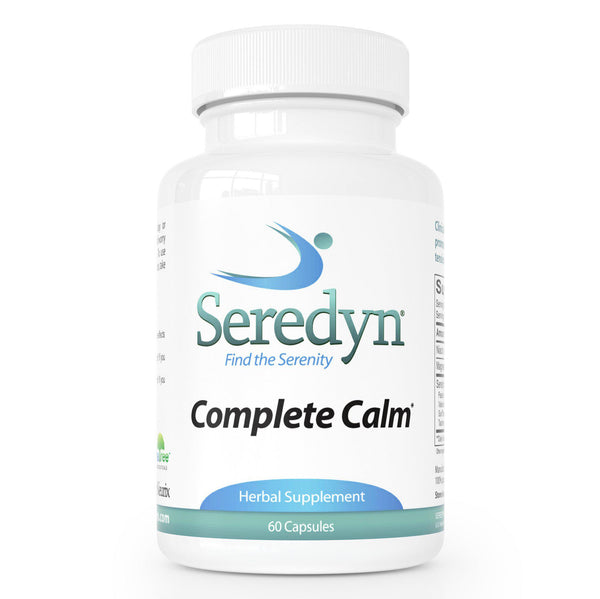
The vagus nerve⁵ is the longest cranial nerve and carries signals between the brain and organs such as the heart, lungs, and gut. It is a key part of the parasympathetic nervous system, which helps counter the fight-or-flight response. That is one reason vagus nerve function is often discussed in conversations about stress recovery, heart rate, breathing patterns, and digestion.
Low vagal tone is usually discussed as a research concept rather than a self-diagnosis. Here are some signs that may overlap with lower vagal tone:
Stress reactivity: Feeling easily overwhelmed or having a hard time calming down after stress may overlap with lower vagal tone, but this sign alone does not confirm vagus nerve dysfunction.
Shallow breathing: Breathing that feels tight, quick, or stuck in the chest may sometimes appear alongside poor nervous system regulation.
Digestive discomfort: Ongoing digestive upset may overlap with low vagal tone, as the vagus nerve supports communication between the brain and the digestive system.¹
Abdominal pain: Some people may experience abdominal pain or discomfort, though it can have many possible causes.
Trouble winding down: Difficulty relaxing at night or shifting out of a high-alert state may also overlap with lower vagal tone.
Important reminder: Enhancing vagal tone is best framed as supporting nervous system regulation, not as reversing a fixed list of symptoms.

You can use breathing, movement, and calming sensory habits to support nervous system regulation in daily life. These powerful vagus nerve exercises are not the same as medical vagus nerve stimulation, but some may help the body shift toward a calmer state and support markers of vagus nerve activity, such as heart rate variability. Exploring a few nerve exercises can help you find practical tools for stress relief and steady nervous system regulation.
Deep belly breathing, also called diaphragmatic breathing, can help slow breathing patterns and support the body’s calming response. Slow breathing with a longer exhale may improve markers of vagal tone and help reduce stress. A simple approach is to inhale deeply through the nose, then exhale slowly for a little longer than the inhale.
A splash of cold water or a cold compress on the face may trigger the diving reflex, which can slow heart rate for some people and create a quick calming effect. A gentle face splash or cool cloth is a safer choice than extreme cold exposure or a full cold shower. Anyone with heart disease, uncontrolled blood pressure levels, or cold intolerance should talk with a healthcare provider before trying cold water routines.
Humming, singing, or chanting may feel calming because they lengthen the exhale and create vibration around the throat and vocal cords. Small studies suggest humming may support relaxation, but the evidence remains limited; this is better described as a calming effect than a proven vagus nerve reset. A steady rhythm of sound can make breathing feel more controlled during a stressful part of the day.
Mindful movement, such as gentle yoga, neighborhood walking, or light cycling, can support nervous system regulation over time. Exercise training has been associated with changes in heart rate variability linked to vagal activity, and regular movement can also support healthy blood pressure and stress resilience. Moderate exercise done consistently tends to matter more than pushing too hard once in a while.
Gentle massage and light touch may help some people feel calmer and less tense. Some studies suggest that moderate-pressure massage may shift vagal activity and stress markers, but the evidence does not support calling it a direct method of vagus nerve stimulation. Skip any painful pressure, especially around the neck, and stop if dizziness or discomfort begins.
Laughter can interrupt a stress spiral and leave the body feeling more relaxed. Research suggests that laughter can activate and then cool down the stress response, leaving you feeling calmer afterward. Moments of awe, music, humor, or connection may also support mood regulation, but those experiences are best described as supportive wellness habits rather than proven vagus nerve exercises.
Mindful meditation and safe-place visualization may help the mind orient toward safety and reduce stress in the moment. The National Center for Complementary and Integrative Health (NCCIH) notes that meditation and mindfulness may help with stress, anxiety, depression, and insomnia,² although results vary and the research is mixed in some areas. That makes these practices reasonable tools for a daily routine, but not guaranteed fixes.
Designed to help soothe a restless mind, Seredyn supports emotional balance so you can feel steadier throughout the day.
Check Out SeredynChronic stress can keep the mind active and make sleep harder to come by. Deep breathing, mindfulness, and other calming habits may help lower arousal before bed and make it easier to shift out of fight-or-flight mode.³ Creating an evening routine that includes a few deep breaths, a long exhale, or a calming practice may help with stress relief and a bedtime wind-down.
Some techniques, such as a long exhale or a cool face splash, may feel calming quickly in the moment. Building stronger vagal tone or steadier nervous system regulation usually depends on consistent repetition over time. It helps to expect minutes for immediate relief and weeks for a more settled daily routine.

A healthy diet supports overall well-being, making stress management feel easier. Regular meals, hydration, and enough nutrients help the nervous system and the entire body function more smoothly. Stronger claims about adaptogenic herbs, amino acids, or treatment-resistant depression do not fit well in this article and should be removed.
You can weave vagus nerve exercises into normal daily life without adding a long routine. Try belly breathing in the morning,⁴ a short mindful movement break during the day, and a calming evening habit such as gentle stretching, soft humming, or a few deep breaths before bed. A cold compress or a brief face splash may be sufficient for some people, but extreme cold is not required to support nervous system regulation.
Many methods used to support vagus nerve activity are gentle and low-risk, but not every method suits every person. It is wise to talk to a healthcare provider before starting a new wellness routine if heart issues, fainting episodes, breathing problems, or uncontrolled blood pressure are part of the picture. Go slowly, and stop any practice that causes pain, dizziness, or distress.
Your nervous system can adapt, and emotional regulation can improve with practice. Adding small vagus nerve exercises into a daily routine may support stress relief, steadier breathing, and better recovery after a stressful moment. You do not need to master every technique at once. One simple habit practiced consistently can be enough to start building a calmer response in daily life.
Seredyn Complete Calm supports your brain’s natural relaxation pathways to help ease feelings of worry, stress, and anxiety.
Buy Seredyn NowA slow exhale is one of the quickest low-risk options for stress relief, and a cool splash of water on the face may also help some people feel calmer. The effect varies from person to person.
A few deep breaths, gentle movement, or another calming practice each day is a practical place to start. Regular practice matters more than long sessions.
These practices may support relaxation and help the parasympathetic nervous system shift the body away from a high-alert state. That can make daily stress feel easier to manage, but it is not the same as treating an anxiety disorder.
There is no simple symptom list that confirms a weak vagus nerve. Stress reactivity, poor digestion, muscle tension, or trouble calming down may overlap with lower vagal tone, but many other issues can create the same pattern.
Breathing patterns and relaxation practices may help the body wind down before bed, supporting sleep for some people. Results vary, so it is best to frame them as part of a calming bedtime routine.
Breit, S., Kupferberg, A., Rogler, G., & Hasler, G. (2018). Vagus nerve as modulator of the brain-gut axis in psychiatric and inflammatory disorders. Frontiers in Psychiatry, 9, Article 44. https://doi.org/10.3389/fpsyt.2018.00044
National Center for Complementary and Integrative Health. (n.d.). Meditation and mindfulness: Effectiveness and safety. U.S. Department of Health and Human Services, National Institutes of Health. https://www.nccih.nih.gov/health/meditation-and-mindfulness-effectiveness-and-safety
Tindle, J., & Tadi, P. (2022). Neuroanatomy, parasympathetic nervous system. In StatPearls. StatPearls Publishing. https://www.ncbi.nlm.nih.gov/books/NBK553141/
National Center for Complementary and Integrative Health. (2022, June). Relaxation techniques: What you need to know. U.S. Department of Health and Human Services, National Institutes of Health. https://www.nccih.nih.gov/health/relaxation-techniques-what-you-need-to-know
Enny, B. J., & Bordoni, B. (2022). Neuroanatomy, cranial nerve 10 (vagus nerve). In StatPearls. StatPearls Publishing. https://www.ncbi.nlm.nih.gov/books/NBK537171/