Your Cart is Empty


Do repetitive physical movements truly hold the power to reset a chaotic mind? While often dismissed as mere childhood trends, stress management toys actually play a crucial role in how the human brain regulates itself.
When you face high-pressure situations or prolonged periods of concentration, your mind naturally seeks external stimulation to maintain an optimal level of arousal. Ignoring this biological need can impact your general health and amplify daily anxiety.
Understanding the biological mechanics behind this natural instinct reveals exactly why these tactile devices offer excellent cognitive support, emotional regulation, and overall focus for adults.
Fidget tools help your hands, but your nervous system needs deeper support. Seredyn Complete Calm pairs with your daily routine to help you stay steady when tension builds.
Explore Seredyn Complete Calm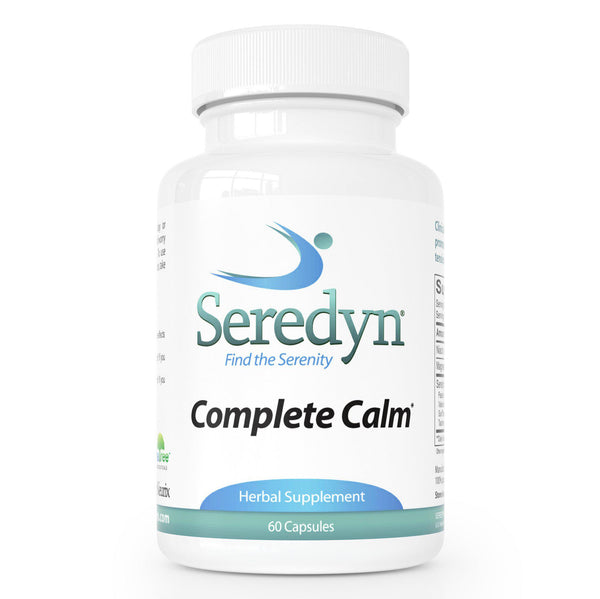
Stress toys impact the nervous system because providing the hands with a predictable, repetitive task creates a distinct neurological pathway to safely process overwhelming emotions. These items redirect excess mental energy away from tension and toward physical movement. Engaging your fingers with relief toys prepares your entire body for deep relaxation and improved mental clarity.
Gentle, rhythmic motions signal safety to the brain and quickly shift the body out of a fight-or-flight state. This physical action directly activates the parasympathetic nervous system (PNS),⁴ promoting a calm, restful state. You can easily soothe sudden moments of tension and find support simply by moving a small object in your palm.
Physical exertion through the hands helps metabolize stress hormones before they cause severe cognitive fatigue. Squeezing a soft-gel product helps clear brain fog and keep your emotions balanced throughout the day. Lowering cortisol levels is one of the greatest ways to maintain long-term wellness and support your health.
Occupying the brain's distracted part allows your primary cognitive areas to comfortably lock onto complex tasks. This floating attention theory explains why sensory fidget toys actually improve focus during long work sessions. Giving your hands a simple job helps you learn new things and solve problems much faster.

Different tactile tools offer distinct physical sensations to meet your specific sensory needs. These different shapes and materials offer specialized neurological benefits for everyday cognitive regulation. You can easily create a personalized collection that perfectly matches your work environment and mental demands.
Stress balls and firm putty provide deep proprioceptive input¹ to ground a racing mind when you feel overwhelmed by daily anxiety. You can manage tension effectively because the resistance forces your muscles to engage and release in a satisfying way. These items fit office settings well because they are quiet and let you channel restless energy into your hands.
The smooth and low-effort momentum of spinning tools satisfies the brain's need for visual and kinetic predictability. Fidget toys that spin require very little physical effort yet deliver continuous physical feedback during periods of intense focus. Playing with these items helps you connect with your current project and tune out background distractions.
Rubbing rough, ridged, or soft surfaces stimulates nerve endings in the fingers, keeping the brain incredibly alert. Sensory mats function as excellent desk toys that prevent boredom during highly monotonous tasks. You will love how these subtle textures add a necessary layer of sensory input without taking your eyes off the screen.
Tactile habits work best alongside steady internal balance. Seredyn Complete Calm delivers a clinically studied blend designed to help your body manage daily pressure.
See How It WorksSelecting the appropriate device requires a clear understanding of your personal sensory preferences. You must match these preferences to specific environmental constraints to ensure the product genuinely helps you. Finding the perfect fit guarantees you get the absolute most out of your stress toys.
Identify your primary cognitive goal right away to determine if you need sudden relief from everyday anxiety² or long-term focus enhancement for continuing education.
Consider the ambient noise level in your space to ensure the device is appropriate for quiet office spaces or classroom settings.
Evaluate the durability and material safety before you order to guarantee consistent daily use without rapid degradation.
Match the specific texture and movement type to your unique sensory processing profile. You can explore a website or app for suggestions, check prices, and choose items that feel right in your hands.

Incorporating these items seamlessly into your environment maximizes the cognitive benefits throughout a highly demanding schedule. You can build habits that work these tools into your existing daily patterns. Keeping your toys accessible gives you a quick outlet when you feel overwhelmed.
Keep items visibly accessible around your home and workspace. Place them on work desks, inside daily commute bags, or right next to your bed so you can pick them up easily.
Utilize them out of frame during high-stakes virtual meetings. This strategy allows you to maintain steady and uninterrupted focus without drawing unnecessary attention to your hands.
Pair tactile stimulation with structured deep breathing exercises. Combining these actions creates an amplified, immediate sense of relaxation when you suddenly feel overwhelmed.
Substitute digital doom-scrolling with physical fidgeting during designated screen-time breaks. Pick up a tactile puzzle instead of checking your email or social media account to give your mind a true reset.
Tactile devices offer much more than simple entertainment. They provide a practical way to optimize your mental environment. Recognizing the powerful connection between manual movement and cognitive regulation allows you to transform restless energy into sustained focus and calm.
Pairing these items with comprehensive brain health³ strategies and proper neurological nutrition makes them integral to a resilient mind. Taking control of your routine helps adults of all ages build a healthier life, so share these simple practices with others to promote better cognitive wellness today.
You've learned how small tactile habits shape your focus and mood. Now give your body the inner support it deserves with Seredyn Complete Calm.
Shop Seredyn Complete CalmDiscreet options like kneadable erasers, smooth worry stones, and under-desk magnetic sliders provide excellent tension relief without disrupting your coworkers.
Many people find that these sensory tools provide helpful stimulation for restless minds and effective grounding techniques to manage daily anxiety.
The physical act of progressive muscle relaxation, through squeezing and releasing, directly supports cardiovascular calming and physical relaxation.
These tools can become a distraction if they require too much visual attention, which highlights the need for mindless tactile engagement instead.
Reducing your cognitive load and managing stress hormones naturally frees up working memory, enhancing your overall executive function.
Dong, D., Thomas, N., Ramezanpour, M., Psaltis, A. J., Huang, S., Zhao, Y., Thierry, B., Wormald, P. J., Prestidge, C. A., & Vreugde, S. (2020). Inhibition of Staphylococcus aureus and Pseudomonas aeruginosa biofilms by quatsomes in low concentrations. Experimental Biology and Medicine, 245(1), 34–41. https://doi.org/10.1177/1535370219896779
National Institute of Mental Health. (2024, December). Anxiety disorders. U.S. Department of Health and Human Services, National Institutes of Health. https://www.nimh.nih.gov/health/topics/anxiety-disorders
National Institute on Aging. (2024, June 11). Cognitive health and older adults. U.S. Department of Health and Human Services, National Institutes of Health. https://www.nia.nih.gov/health/brain-health/cognitive-health-and-older-adults
Tindle, J., & Tadi, P. (2022). Neuroanatomy, parasympathetic nervous system. In StatPearls. StatPearls Publishing. https://www.ncbi.nlm.nih.gov/books/NBK553141/