Your Cart is Empty


You are staring at the ceiling again. Your mind is racing, and you are desperately wondering how you can fall asleep fast when the clock keeps ticking. While counting sheep is a famous trick, sleep experts know it requires too much active focus to be effective.
Lying awake for hours does more than just ruin your mood; it quickly leads to severe sleep deprivation. That exhaustion hits your mental health hard the next day. Finding a way to gently shift the brain into a resting state is the real secret to finally getting a good night’s sleep.
If racing thoughts keep you awake, Mellodyn Sleep Easy can support your bedtime routine while you work on calming mental habits that help the mind slow down naturally.
Support Your Sleep Routine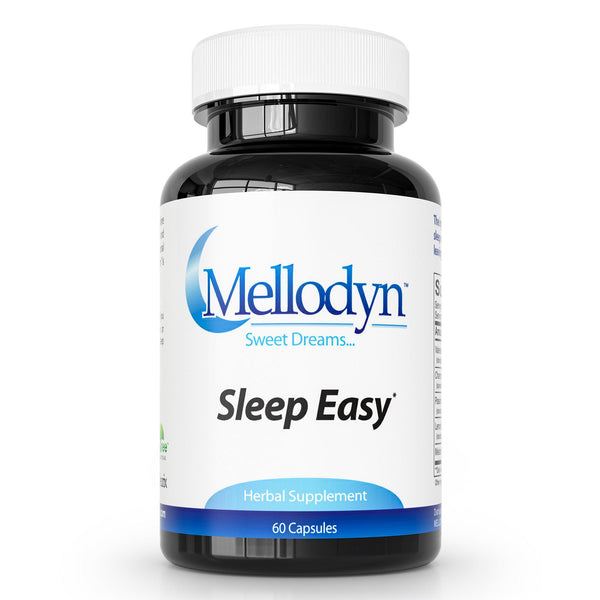
Think of cognitive shuffling as a mental reset that mimics the weird, random micro-dreams the brain creates right before drifting off. Forcing the mind to jump between totally random ideas stops the anxious part of the brain from obsessing over tomorrow. These random mental exercises and sleep tips act as an escape key from stress. They block out unwanted pre-sleep thoughts and help you fall asleep faster.
Pick a totally random, boring word to give your wandering mind a harmless anchor. Next, visualize a new object for every single letter of that root word. The goal is to bore the brain into shutting down, which drops your sleep latency times and helps you fall asleep quickly. It works much better than the old counting sheep routine.
Picture a bicycle, then a loaf of bread, and finally a fluffy cloud. Picturing completely disconnected items breaks anxious thought loops and severely limits pre-sleep cognitive activity. A sleep specialist will often note that this specific imagery, rather than a general distraction approach, helps people battling chronic insomnia³.
Worrying about sleep keeps you awake in a miserable, frustrating cycle. Trying a reverse psychology trick reduces that intense performance anxiety by removing the demand to shut down immediately. Giving up control lets the internal clock take over, which naturally leads to better rest.
Tell yourself to stay awake while lying in bed with your eyes open. This simple use of paradoxical intention gives instant psychological relief. You stop fighting the process, and giving up the fight often becomes the easiest way of improving sleep quality tonight.
Hide the bedroom clock and take off the fitness tracker. Staring at the time releases cortisol¹, which will definitely disrupt sleep and leave a person feeling completely sleep-deprived. Let go of worrying about exactly how much sleep you will get or if you are getting enough sleep overall. Surrendering that pressure paves the way for high-quality sleep over time.

Deep breathing deeply influences the nervous system, shifting it out of panic mode and into a calm resting state². This structured rhythm helps reduce anxiety and prep the body for restorative sleep. These breathing techniques appear frequently in systematic review papers on improving sleep.
Inhale quietly through your nose for a count of four seconds.
Hold that breath gently for seven seconds.
Exhale slowly through your mouth, making a whooshing sound, for eight full seconds.
Repeat this four times to slow the heart rate, help the muscles relax, and physically signal the body to fall asleep at night.
Breathing exercises, visualization, and better sleep habits can go further when paired with added nighttime support. Mellodyn Sleep Easy is a simple option to complement your wind-down routine.
Check Out Mellodyn Sleep EasyA loud inner voice ruins the chance to rest. Giving the brain a totally meaningless, repetitive task blocks it from forming stressful thoughts and clogs up the language center, leaving zero room for worries. Think of it as a mental close-modal-dialog-end command that forces open tabs in the brain to shut down completely.
Repeat a non-emotional word like “the” every few seconds to put up a solid wall against anxiety. This monotonous action stops the brain from building stressful sentences. If you have difficulty falling asleep because of an overactive imagination, this is an excellent trick.
Pair that simple mental chant with the actual rhythm of a heartbeat, or sync it with your breath as you breathe deeply. This physical connection amplifies the calming effect. It soothes the mind and naturally supports a healthy circadian rhythm.
Creating a detailed mental world takes just enough focus to distract from real life. It keeps the mind busy but relaxed, and adding sensory details makes it feel real while signaling safety to the body. Getting lost in a calming scene is a highly effective tactic that frequently appears in randomized controlled trials on fast sleep induction.
Build a peaceful spot in the mind, like a quiet cabin in the woods or an empty beach. This gives a tired brain a safe place to hide away. It is a targeted form of mindfulness meditation that promotes better sleep and overall well-being.
Ask yourself what the mental space smells like or whether it feels warm or cold. Focus on those specific details, like the sun on your face or the sound of waves. Using multiple senses tires the brain, making it easier to fall asleep.

The physical space tells the brain what to do. Setting up a dedicated sleep environment builds good sleep hygiene and healthy sleep patterns. Making a few basic changes in the bedroom can fix the physical side of trouble falling asleep:
Keep the room cool, as around 65 degrees Fahrenheit helps the body temperature drop naturally.
Block out all blue light and street lamps with blackout curtains or a sleep mask.
Turn on some white noise or pink noise to muffle sudden sounds that might wake you.
Speak with a doctor regarding severe health concerns like sleep apnea, and check sleep medicine reviews to find nutritional options that naturally support nighttime brain function.
Limit caffeine and limit alcohol before bed. Stop watching TV, do not let an auto video play on electronic devices, and avoid energy drinks late in the afternoon.
Wishing for rest rarely works. You have to actively guide the brain out of a state of stress. Pair these mental tricks with physical activity, regular exercise, and some calming activities before bed.
Do some gentle stretching to unwind, and remember that finding a comfortable sleep position matters, too. Doing this consistently trains the brain to let go of the day. Eventually, you will be asleep quickly and get the deep rest the body craves.
If you need extra support while building these habits, Mellodyn Sleep Easy can complement your routine. It works with your body’s natural sleep-wake cycle and is non-habit-forming, helping support a more consistent and refreshing night’s rest when used alongside healthy sleep practices.
Healthy sleep habits matter most, but the right supplement can help complete your routine. Try Mellodyn Sleep Easy for added support to help you sleep more comfortably and wake up refreshed.
Shop Sleep Support NowA hyper-aroused nervous system flooded with stress stops the brain from powering down, even when dealing with extreme physical exhaustion.
A healthy sleep latency is usually 10 to 20 minutes for an average adult who follows a consistent sleep schedule.
The military method combines progressive muscle relaxation and visualization to help people breathe deeply and sleep in high-stress situations.
Playing soothing music at a slow breathing rhythm, 60 beats per minute, syncs brainwaves to slower frequencies to improve sleep efficiency.
Reading medical reviews shows that natural sleep medicine options, like magnesium, can safely help the brain transition to sleep.
Han, K. S., Kim, L., & Shim, I. (2012). Stress and sleep disorder. Experimental Neurobiology, 21(4), 141–150. https://doi.org/10.5607/en.2012.21.4.141
National Center for Complementary and Integrative Health. (2021, June). Relaxation techniques: What you need to know. https://www.nccih.nih.gov/health/relaxation-techniques-what-you-need-to-know
National Heart, Lung, and Blood Institute. (2022, March 24). What is insomnia? https://www.nhlbi.nih.gov/health/insomnia