Your Cart is Empty


Waking up exhausted after eight hours in bed feels frustrating. You might be missing an essential part of normal sleep called rapid eye movement (REM) sleep. The term refers to the rapid darting of your eyes while the mind stays highly active. When light sleep crowds out deeper stages night after night, you may feel the effects of sleep deprivation, like low energy and foggy thinking, and over time, poor sleep is linked to worse overall health. Many people search for how to get more REM sleep to fix these daily struggles. This stage matters for cognitive refresh and emotional balance.
Pairing solid bedtime hygiene with natural sleep-support options, such as those from Bioneurix, may help round out your nighttime routine. Taking action to build better habits can help you reach a good night's rest and restore your daytime energy.
Building better REM sleep starts with a steady routine. Mellodyn Sleep Easy can help support your wind-down habits as you work toward deeper, more refreshing rest.
Check Out Mellodyn Sleep Easy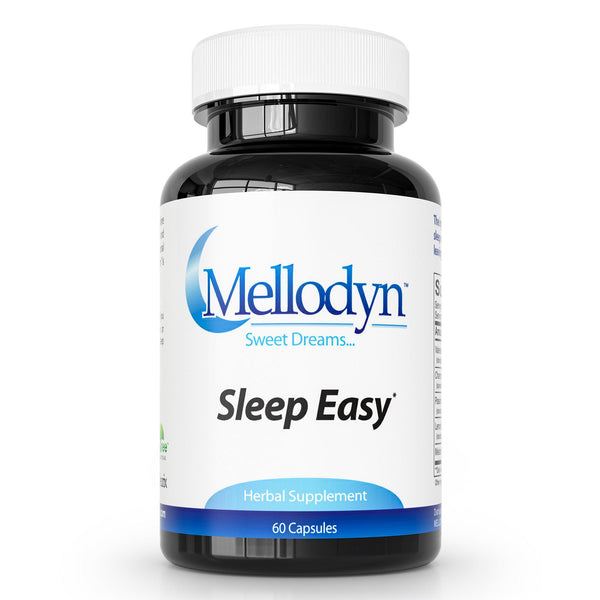
We need this phase because it serves as a biological foundation for mental recovery. Your brain relies on distinct sleep stages to process daily information and regulate mood. Understanding this function shows why making REM sleep important to your routine changes everything. Medical experts agree that REM sleep plays a necessary role in daily life.
This stage handles cognitive processing and memory consolidation² by organizing what you learned during the day. Brain activity slows noticeably as the mind sorts facts and experiences. The brain sifts through recent memories and stores the most important details for long-term recall. This period of active brain cycles is essential for brain development, and proper development in young people relies heavily on this nightly process. For most adults, getting enough REM sleep helps them wake with sharper memory and better focus.
This phase supports emotional regulation and mood balance. Your central nervous system calms while the mind works through difficult feelings from the previous day. Leading research suggests the brain helps soften the emotional charge attached to hard memories during this stage, which may support steadier mental health. Without quality sleep, irritability and anxiety can creep into your mood. A good night's sleep gives the mind the rest needed to face a new morning with a clearer outlook.

Several common lifestyle factors interfere with your natural sleep architecture. Avoiding a few nightly habits helps maintain a healthy sleep-wake cycle and improve overall sleep quality. Cutting these habits is a common first step toward better rest. Keep in mind that you cannot fully treat sleep disorders like insomnia or obstructive sleep apnea with lifestyle changes alone, so see a qualified doctor for proper evaluation if either is a concern.
Late-night caffeine consumption blocks the chemicals that help you feel sleepy and keeps you stuck in lower-quality rest.
Heavy evening meals close to bedtime can raise your heart rate and keep digestion working while you try to settle, making it harder to drop into deeper rest.
Blue light exposure³ from screens and electronic devices tricks your circadian rhythm into thinking it is still daytime.
Inconsistent bedtime schedules confuse your body and lead to less REM sleep overall.
Consistent sleep, less evening light, and calming nighttime habits all matter. Mellodyn Sleep Easy is made to fit into a simple routine that supports relaxation before bed.
Support Your Nightly RoutineYou can naturally increase deep rest by creating a quiet environment that supports an easy transition into bed. A few science-backed habits promote a more restorative night, and these small changes add up over time.
A strict sleep schedule trains your brain to enter the best-known stages of rest at the same time every night. During a normal night, non-rapid eye movement (NREM) sleep accounts for roughly three-quarters of total rest, with deep NREM sleep heaviest in the first half of the night, while REM periods grow longer toward morning. Your REM and NREM sleep phases depend on consistent timing to work well. Going to bed and waking at the same times maximizes the rest you get, and your body learns when to shift between phases for full recovery.
An optimal bedroom temperature of around 65 degrees Fahrenheit signals to your body that it is time to rest. A cooler room helps drop your core temperature, which makes it easier to fall asleep quickly. Taking a warm bath before stepping into a cool room¹ can speed that transition and support a good night's recovery. If the room is too hot, you may run into sleep problems and unwanted wake periods. Your body needs to stay cool to stay asleep.
Evening relaxation techniques help reduce stress and prepare your muscles to release tension. Limit alcohol and avoid intense pre-workout supplements to keep your system calm. Gentle stretching can prevent the sudden muscle twitches that jolt you awake. These calming routines help you move smoothly through the stages of sleep without interruption.
Mindful light exposure means blocking artificial brightness to protect your natural sleep cycles. Blackout curtains block streetlights from disrupting your sleep, and turning off electronic devices at least an hour before bed reinforces the effect. Controlling light exposure helps your brain produce the melatonin you need for better sleep. A darker room signals to your body that it is time to shut down.

Certain natural ingredients may support sleep cycles by working with the body to promote relaxation. Look for specific botanical profiles to support healthy rest and the time you spend dreaming. These extracts offer gentle support for anyone working toward better recovery.
Valerian root extract is a long-used herb that may help calm the nervous system, helping the mind settle. Research on its effect on overall sleep quality is mixed, but many people reach for it as a gentle, plant-based option at night. It will not knock you out, and results vary from person to person.
Chamomile and passion flower have a long history as calming botanicals that may help quiet a busy mind before bed. Some people drink them as a tea or take them as a supplement and find it easier to wind down, and a few notice better total sleep time, though the research is limited. Think of them as a soothing part of a nightly routine rather than a standalone solution.
Lemon balm is a herb that may help ease restlessness and quiet a busy mind, making it easier to settle into REM sleep. Used as part of a calming routine, some people find it supports a steadier mood the next day. It can be worth trying for anyone who tends to toss and turn at night.
Low-dose melatonin works mainly on timing: it signals to your brain that night has arrived and helps keep your circadian rhythm on track. A small dose is generally preferred, since larger amounts leave some people groggy the next day. Because the body makes melatonin naturally, a modest supplement may help nudge an off-schedule sleep-wake cycle back toward normal sleep, though it does not force any single stage, such as a REM rebound.
Dialing in your nightly sleep hygiene is one of the most reliable ways to set up better mornings. Skimping on rest tends to show up as poor focus and low daytime energy, and over the long run, ongoing poor sleep is linked to real health costs. Building a steady nighttime routine, starting tonight, helps protect your energy before a busy day even begins.
A calmer bedtime routine can help you feel more rested in the morning. Pair healthy sleep habits with Mellodyn Sleep Easy to support steady, consistent nighttime rest.
Shop Mellodyn Sleep EasyMost adults spend about twenty to twenty-five percent of their total rest in this stage. For figuring out how much REM sleep to get, that usually works out to roughly 90 to 120 minutes per night.
Melatonin helps regulate your biological clock so you can move into deeper stages more reliably. It does not directly create this stage, but it helps you hold a consistent sleep schedule.
You may wake during this phase because the brain is highly active and, on a brain scan, appears much like the waking state. Heart rate and breathing also turn more variable during vivid dreams, which can make brief awakenings more likely.
Drinking alcohol before bed delays and reduces this sleep stage. Limit alcohol in the evening to keep it from disrupting your rest.
For most healthy people, this is not a real concern. If rest keeps leaving you groggy and unrefreshed despite enough hours, that points to a possible sleep problem, and a doctor can help you treat sleep disorders behind it.
Harding, E. C., Franks, N. P., & Wisden, W. (2019). The temperature dependence of sleep. Frontiers in Neuroscience, 13, Article 336. https://doi.org/10.3389/fnins.2019.00336
Nishida, M., Pearsall, J., Buckner, R. L., & Walker, M. P. (2009). REM sleep, prefrontal theta, and the consolidation of human emotional memory. Cerebral Cortex, 19(5), 1158–1166. https://doi.org/10.1093/cercor/bhn155
Wahl, S., Engelhardt, M., Schaupp, P., Lappe, C., & Ivanov, I. V. (2019). The inner clock—Blue light sets the human rhythm. Journal of Biophotonics, 12(12), Article e201900102. https://doi.org/10.1002/jbio.201900102