



0

Your Cart is Empty

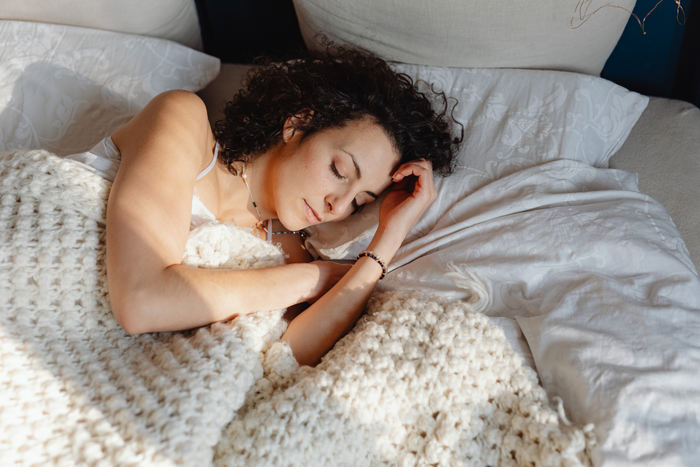
A woman sleeping soundly in soft, natural light, symbolizing restorative deep sleep for holistic health and gut-brain balance.

Gut Health and Sleep: How Your Microbiome Affects Rest and Recovery

6 min read

Your gut and sleep are more connected than you think. Emerging research shows that the gut microbiome plays a role in how well you rest, influencing hormones, digestion, and even mood. Discover how gut health and sleep affect each other, what habits may support both, and how maintaining balance in your microbiota can help you wake up feeling more refreshed.

Read More

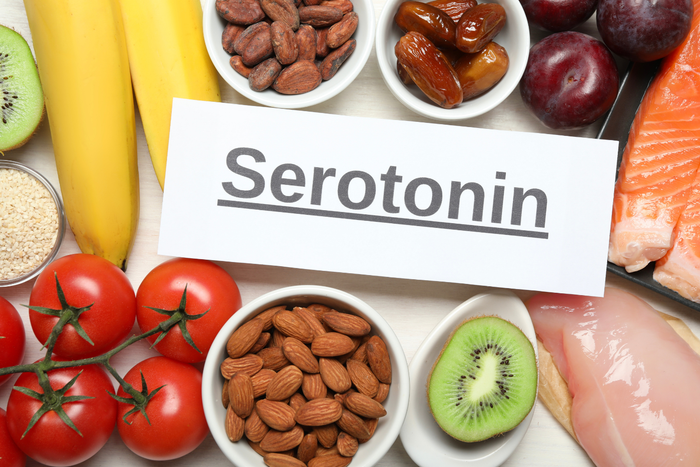
Serotonin Deficiency Symptoms: How to Spot the Signs and Improve Your Levels Naturally

8 min read

Low serotonin can affect mood, sleep, and overall well-being. Learn how to recognize serotonin deficiency symptoms such as fatigue, irritability, and poor focus, and discover natural ways to support healthy serotonin levels through diet, sunlight, exercise, and mindful habits.

Read More
Glass of tart cherry juice beside fresh cherries in bowl

Does Tart Cherry Juice Help You Sleep? What You Should Know

7 min read

Tart cherry juice is gaining attention for its possible role in supporting sleep. Research shows it may boost melatonin, improve sleep patterns, and offer other health benefits, making it a natural option for nightly rest.

Read More

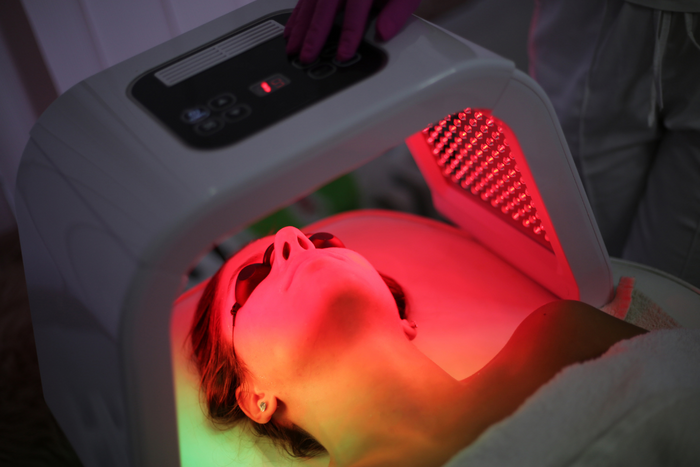
Woman receiving red light therapy on the face with LED panel device

Can Red Light Therapy Improve Your Mood? Here’s What to Know

7 min read

Red light therapy for mood is gaining attention as research explores its role in sleep, stress, and emotional balance. This guide breaks down how it works and what studies say.

Read More
Daily mood tracking app on phone beside a journal

Daily Mood Tracking: How to Do It and Why It Helps Your Mental Health

7 min read

Daily mood tracking makes it easier to see how sleep, stress, and social interactions affect your mood. Use charts, journals, or apps to build healthy habits.

Read More
Close up of shoes during walking for stress relief outdoors

Walking for Stress Relief: Simple Steps to Feel Calmer Every Day

7 min read

Walking for stress relief is a simple, free way to calm the mind and strengthen the body. Even short walks can lift mood, support better sleep, and help you manage daily pressures. Learn how much to walk, how to start a routine, and why it benefits your mental well-being.

Read More

Woman sitting on couch writing journal prompts for anxiety in notebook

20 Journal Prompts for Anxiety That Can Help You Feel Calmer

5 min read

Explore 20 gentle journal prompts for anxiety designed to calm overwhelming thoughts, build clarity, and help you feel more in control of your mental health.

Read More
 A close-up image showing a scatter of blue and white capsules around the periodic table symbol for Magnesium (Mg), which has an atomic number of 12, with the text

Magnesium for Anxiety: How It Works, Which Types to Use, and What to Expect

7 min read

The essential mineral magnesium for anxiety is gaining attention. Research suggests it influences mood and stress by calming the nervous system and regulating stress hormones. Discover the best forms to use and how to take them.

Read More
Woman wearing sleep mask practicing meditation for anxiety and sleep in bed

Meditation for Anxiety and Sleep: How It Helps and How to Start

8 min read

Meditation for anxiety and sleep can quiet racing thoughts, ease stress, and support restful nights. Learn techniques like guided sleep meditation, body scans, and deep breathing to improve sleep quality and find calm.

Read More

Hand holding a vitamin D capsule against sunlight

Vitamin D and Depression: Could Low Levels Affect Your Mood?

8 min read

Low vitamin D levels are often linked with depression. Explore how vitamin D affects mood, the signs of deficiency, and safe ways to support mental health.

Read More
Man smiling with glucose meter highlighting anxiety and blood sugar levels connection

Anxiety and Blood Sugar Levels: What’s the Real Connection?

8 min read

Anxiety and blood sugar levels often overlap. Shifts in glucose may cause symptoms like racing heart or tension. Simple changes can help restore balance.

Read More
A woman lying awake in bed with a clock nearby, struggling with racing thoughts at night.

How to Stop Racing Thoughts at Night: 17 Tips That Really Work

7 min read

Racing thoughts at night can keep you awake and exhausted. Use proven tips like journaling, deep breathing, and a steady bedtime routine to quiet your mind and rest easier.

Read More


1 2 3 8 Next

Newsletter