Your Cart is Empty


Polyvagal theory therapy is often described as a body-aware, regulation-focused approach to therapy. It focuses on cues of safety, autonomic state, and body awareness rather than relying only on insight or discussion. For some people, that framework helps stress responses make more sense, but it should not be framed as a guaranteed route to trauma healing.
Polyvagal theory therapy is usually better described as a polyvagal-informed framework used in therapy. It emphasizes the autonomic nervous system,¹ body cues, co-regulation, and signs of safety or threat during sessions. The goal is not to force a calm state on demand, but to help a person notice patterns and build more flexible self-regulation over time.
Dr. Stephen Porges introduced polyvagal theory in the 1990s as a model linking autonomic state, social engagement, and defensive responses. The theory has influenced many clinicians who work in trauma-informed and body-based settings. At the same time, some core physiological claims remain debated, so it is more accurate to describe polyvagal theory as influential than as fully settled science.
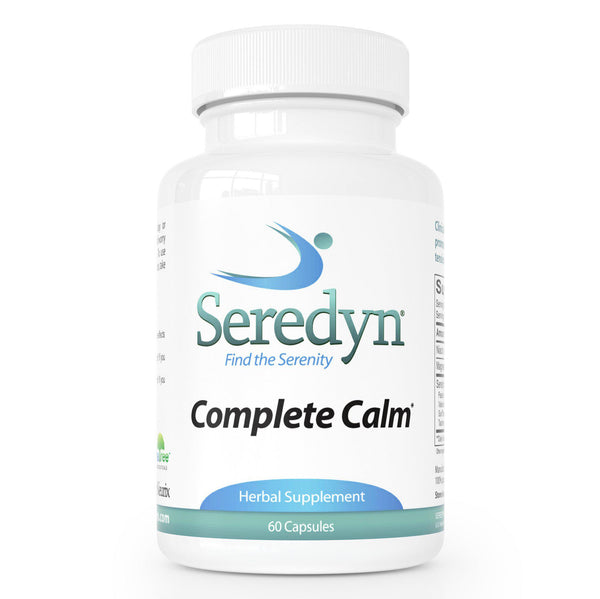
Experience quick, natural relief from worry and stress. Seredyn supports a calm, confident outlook so you can reclaim your peace of mind.
In simple terms, polyvagal theory suggests that the nervous system responds to cues of safety, danger, and overwhelm, often before a person has time to think through the situation. In that model, body state can shape connection, defense, or shutdown. Many therapists find that lens useful in practice, even though the theory remains debated in some scientific circles.
In the polyvagal model, these states are often described this way:

In real sessions, a polyvagal-informed therapist may help track body sensations, shifts in arousal, and cues of safety or threat as they show up in the room. The pace is often adjusted to keep the work manageable rather than overwhelming. The aim is to support self-regulation, co-regulation, and better tolerance for difficult emotions without pushing faster than the body can handle.
The window of tolerance describes a zone where stress feels manageable enough for reflection, coping, and learning. When a person moves far above or below that zone, clear thinking and emotional regulation can get harder. Many trauma-informed therapies use this concept to help pace treatment safely.
Polyvagal-informed therapy often uses grounding and body-based practices to support nervous system regulation. These approaches may include the following:
Breathing practices: Slow breathing and mindful breathing are often used to help lower arousal and support a calmer physical state.
Mindfulness: Mindfulness can help a person notice bodily sensations, stress patterns, and emotional shifts with more awareness and less reactivity.
Orienting exercises: These exercises help bring attention back to the present moment by noticing cues of safety in the current environment.
Movement-based practices: Gentle movement, stretching, or other body-based exercises may help release tension and support emotional regulation.
Safe social connection: A supportive connection with another person can help with co-regulation and make stress feel more manageable.
These techniques are not the same as medical vagus nerve stimulation, which is a device-based treatment with specific FDA-approved uses.
Gently optimize your brain's emotional pathways. Our blend of standardized plant extracts and amino acids helps soothe a restless mind.
A polyvagal-informed approach may help some trauma clients notice body cues, pacing needs, and signs of overwhelm during therapy. That can make sessions feel more manageable for some people. Even so, established Post-Traumatic Stress Disorder (PTSD) guidelines still favor trauma-focused psychotherapies such as Cognitive Processing Therapy (CPT), Prolonged Exposure (PE), and Eye Movement Desensitization and Reprocessing (EMDR), so this section should describe polyvagal therapy as supportive or adjunctive rather than as a proven standalone trauma treatment.
Polyvagal-informed practices may help some people reduce arousal, notice stress patterns earlier, and build a calmer bedtime routine. That can support sleep and emotional regulation in daily life. These tools should not be presented as direct treatment for anxiety disorders or depression in this article.
Research on autonomic regulation, vagal pathways, and stress physiology is active, and polyvagal theory has been influential in clinical settings. At the same time, major critiques remain, including concerns about falsifiability, the interpretation of respiratory sinus arrhythmia,³ and some core physiological assumptions. A balanced article should present the theory as influential and clinically popular, but still debated.
CBT usually works more directly with thoughts, beliefs, and behavior patterns. A polyvagal-informed approach pays more attention to body state, cues of safety, and autonomic regulation during therapy. Brainspotting is another body-oriented approach, but the evidence base for it is smaller than the evidence base for established trauma-focused therapies.
Basic regulation practices such as mindful breathing, gentle movement, and orienting can be practiced at home. Reaching out for safe social connections and noticing body cues may also help with everyday stress management. The Safe and Sound Protocol is a branded listening intervention sometimes used by trained providers, but the evidence is still developing, and expectations should stay modest.
Chronic stress affects many body systems, including digestion, sleep, cardiovascular function, and immune signaling. The vagus nerve is involved in communication among several of those systems, which is one reason it comes up in discussions of stress and inflammation. This article should avoid promising that home vagal practices directly lower inflammation, because that level of certainty is not supported here.
A healthy diet supports overall nervous system function, sleep, energy, and general well-being. Nutrients such as magnesium play normal roles in muscle and nerve function, but that does not mean supplementing will improve vagal tone in a predictable way. Strong claims about adaptogenic herbs, amino acids, or branded products should be removed from this article.

A polyvagal-informed approach may appeal to people who want therapy to include body awareness, stress-state tracking, and regulation skills alongside conversation. It may be especially relevant for people who notice strong body reactions during stress. Still, fit depends on the person, the clinician, and the larger treatment plan.
It may be a useful option for:
Trauma survivors who want more body awareness in therapy
People dealing with chronic stress or shutdown patterns
Individuals who want practical self-regulation tools
People who respond well to body-based or sensory-based work
Clients who want therapy to include co-regulation and nervous system education
Polyvagal theory therapy is best understood as a body-aware, regulation-focused framework rather than a guaranteed solution. For some people, it offers useful language and practical tools for noticing stress patterns and building more flexibility. Small daily practices may support steadier breathing, better body awareness, and a greater sense of safety over time.
Don't let stress hold you back. Try Seredyn Complete Calm today and discover the gentle, natural way to reduce feelings of worry and anxiety.
It is often used as a framework in therapy to help clients notice autonomic state, body cues, stress patterns, and cues of safety. It should not be described here as a stand-alone medical treatment for trauma or chronic stress.
It may help trauma work by improving body awareness, pacing, and self-regulation during sessions. For PTSD itself, evidence-based trauma-focused therapies still have stronger guideline support.
It is influenced by research on autonomic regulation and has shaped clinical practice, but the theory itself remains debated, and some core claims face strong criticism. The most accurate short answer is that interest is high, evidence is mixed, and debate is ongoing.
Timing varies widely depending on the person, the therapist, the goals of treatment, and whether trauma symptoms are present. Some people notice early shifts in body awareness or stress recovery, but it is better not to promise a set timeline.
Basic practices such as mindful breathing, orienting, and gentle movement can be practiced at home. A therapist may still be helpful when stress reactions feel intense, trauma symptoms are active, or body cues are confusing.
LeBouef, T., Yaker, Z., & Whited, L. (2023). Physiology, autonomic nervous system. In StatPearls. StatPearls Publishing. https://www.ncbi.nlm.nih.gov/books/NBK538516/
National Cancer Institute. (n.d.). Sympathetic nervous system. In NCI dictionary of cancer terms. Retrieved March 24, 2026, from https://www.cancer.gov/publications/dictionaries/cancer-terms/def/sympathetic-nervous-system
Yasuma, F., & Hayano, J. (2004). Respiratory sinus arrhythmia: why does the heartbeat synchronize with respiratory rhythm?. Chest, 125(2), 683–690. https://doi.org/10.1378/chest.125.2.683