Your Cart is Empty



Staring at the ceiling while your mind races can make you wonder exactly how long does it take to fall asleep on a normal night. By using a few simple cognitive tricks, you can quickly quiet your thoughts and significantly reduce the time you spend tossing and turning.

A dysregulated nervous system is best understood as a stress-related pattern that can leave you feeling tense, reactive, exhausted, or unable to settle, even when no immediate danger is present. This guide explains the common signs, possible causes, and practical ways to support recovery through breathing, sleep, grounding, movement, nutrition, and professional help when needed.

If you constantly feel overwhelmed, polyvagal theory therapy offers a body-focused framework to help you understand your nervous system's physical responses to stress. Learn how recognizing your body's autonomic states can guide you toward better emotional regulation and a deeper sense of safety.

Stress can leave the body stuck in high alert, but simple habits like deep breathing, humming, gentle movement, and mindfulness may help support a calmer nervous system and make it easier to unwind. This article explains how vagus nerve exercises work, which techniques may offer quick relief, and how to build a simple daily routine for stress support and better sleep.

Explore 20 gentle journal prompts for anxiety designed to calm overwhelming thoughts, build clarity, and help you feel more in control of your mental health.

The essential mineral magnesium for anxiety is gaining attention. Research suggests it influences mood and stress by calming the nervous system and regulating stress hormones. Discover the best forms to use and how to take them.
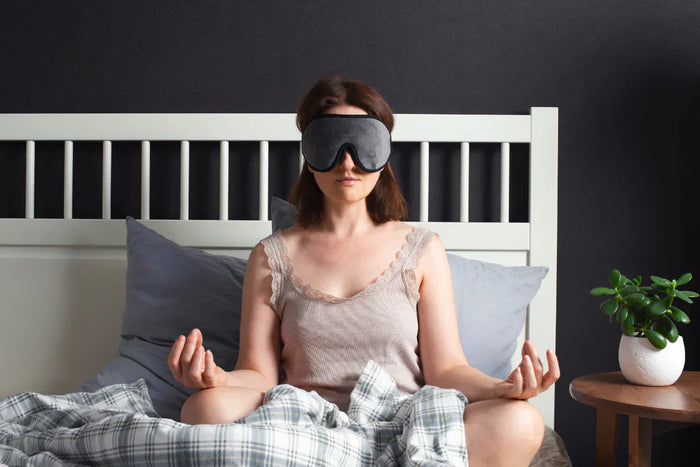
Meditation for anxiety and sleep can quiet racing thoughts, ease stress, and support restful nights. Learn techniques like guided sleep meditation, body scans, and deep breathing to improve sleep quality and find calm.

Aromatherapy for anxiety can support calm and relaxation through popular essential oils like lavender, chamomile, and bergamot. Learn safe ways to use them daily.

Low vitamin D levels are often linked with depression. Explore how vitamin D affects mood, the signs of deficiency, and safe ways to support mental health.

Anxiety and blood sugar levels often overlap. Shifts in glucose may cause symptoms like racing heart or tension. Simple changes can help restore balance.

Racing thoughts at night can keep you awake and exhausted. Use proven tips like journaling, deep breathing, and a steady bedtime routine to quiet your mind and rest easier.

When stress weighs you down and energy levels drop, finding balance does not have to mean relying on harsh chemicals. Explore our comprehensive guide to natural mood boosters that can gently restore your emotional well-being and resilience.