Your Cart is Empty


You may feel on edge, exhausted, tense, or unable to settle down, even when no immediate danger is present. Many people describe this pattern as a dysregulated nervous system. That phrase is best understood as a stress-related pattern rather than a formal medical diagnosis⁵, and practical steps may still help the body feel more settled over time.
A dysregulated nervous system is a nonclinical term for a pattern in which stress responses feel harder to settle. The autonomic nervous system includes sympathetic and parasympathetic branches⁷ that help the body respond to challenge and recover afterward. When stress is frequent or intense, that balance can feel harder to access, leaving a person feeling tense, shut down, or unusually reactive.
Nervous system dysregulation can affect automatic body processes regulated by the autonomic nervous system, including heart rate, breathing, digestion, and sleep. Under prolonged stress, the body may stay more reactive than usual, and recovery can feel slower. This can show up in several ways:
Stress hormones such as cortisol and adrenaline² may stay elevated more often than usual.
Heart rate and blood pressure can feel more reactive during stress.
Digestion and appetite can feel off.
Calming pathways may feel harder to access after prolonged stress.
When stress feels constant, simple routines and the right support tools can make a difference. Explore Seredyn Complete Calm as part of a broader plan for steadier days and better balance.
See Seredyn Complete Calm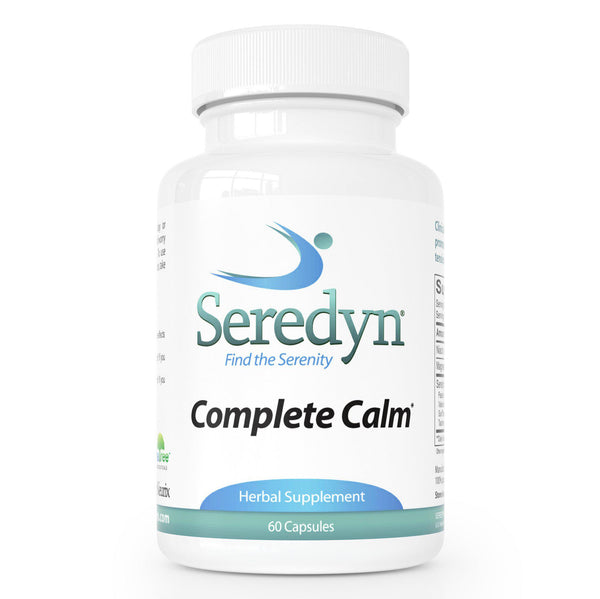
Common signs may include a mix of physical, emotional, and cognitive symptoms. These patterns can be useful to notice, but they do not confirm one diagnosis on their own. A safer approach is to treat them as possible signs that stress regulation may be under strain.
Common contributors can include several stress-related and lifestyle factors. Here are some of the most common causes to consider:
Chronic stress: Long-term stress can keep the body feeling on alert.
Trauma: Traumatic experiences may increase stress sensitivity over time.
Poor sleep: Sleep loss can make stress, focus, and recovery harder to manage.
Overstimulation from modern life: Constant input can make it harder to settle down and focus.
Highly stimulating habits: Frequent quick rewards, such as constant scrolling, may leave mood and attention feeling less steady.
These experiences can shape stress sensitivity and recovery, but they do not permanently damage the nervous system in every case.

Over time, chronic stress can affect physical and mental health⁴ in several ways. It can contribute to poor sleep, more muscle tension, digestive symptoms, pain flare-ups, low mood, and feeling worn down. That is a more accurate frame than promising one direct pathway from stress to a long list of serious diseases.
Breathing, movement, sleep, and nutrition all matter. If you also want a supplement option to pair with those habits, review Seredyn Complete Calm and see whether it fits your stress-support routine.
Check the Product DetailsA calmer routine often starts with simple regulation tools. Here are some supportive ways to help the body feel more settled:
Practice slow, deep breathing: Slow breaths may help lower stress in the moment³ and support a calmer physical state.
Use gentle movement: Walking, stretching, or yoga may help ease tension and make stress feel more manageable.
Protect your sleep: Good sleep supports recovery, mood, focus, and physical energy.
Try grounding techniques: Grounding can help bring attention back to the present moment during overwhelm.
Reach for safe social connection: Supportive connection can make stress feel easier to manage.
Stay consistent: Regular practice may help the body feel more settled over time.
The vagus nerve helps regulate automatic functions such as heart rate, breathing, and digestion. Because it is a major part of the parasympathetic nervous system¹, it often comes up in conversations about calming and recovery after stress. In a consumer article, it is better to say that breathing and other relaxation practices may support regulation than to promise a direct vagal effect every time.

Simple self-care practices can help many people manage everyday stress. At the same time, professional support may be useful when symptoms feel intense, trauma history is involved, panic symptoms are frequent, or daily life is being disrupted. Examples of professional support can include therapy, trauma-informed care, or a medical evaluation when symptoms may have another cause.
Nutrition matters because the nervous system requires sufficient energy, fluids, and nutrients to function normally. A balanced diet, regular meals, and stable blood sugar may help support steadier energy and mood. Magnesium plays a normal role in muscle and nerve function, but supplement claims should stay modest and should never be presented as a replacement for medical care.
Some techniques, such as slow breathing or grounding, may help in the moment. Longer-term improvement usually depends on repetition, sleep, support, and the larger context of stress or trauma. It is more accurate to say that progress often takes time than to promise permanent baseline change on a fixed schedule.
Speaking with a healthcare provider is a smart step if your symptoms start interfering with your routine. You should seek professional support if you experience:
Daily disruptions: Symptoms negatively impact your sleep, work, relationships, or general functioning.
Severe stress or trauma: You are managing panic attacks, chronic pain, domestic violence, or persistent insomnia.
Urgent physical signs: You develop chest pain, fainting, severe shortness of breath, or a rapid heart rate, all of which require immediate medical evaluation.
A dysregulated nervous system is better understood as a stress pattern than a personal failure. Small daily habits such as breathing, movement, sleep care, grounding, and support can help many people feel more settled over time. Progress does not need to happen all at once for the body to start moving in a healthier direction.
Small steps done consistently can help you feel less on edge over time. Explore Seredyn Complete Calm to find a simple option that can support your everyday calm plan.
Shop Seredyn Complete CalmCommon symptoms can include muscle tension, persistent worry, trouble sleeping, irritability, brain fog, and feeling unusually on edge. These signs can overlap with anxiety, trauma-related stress, or other health concerns, so they should not be used as a diagnosis on their own.
Stress dysregulation can contribute to feelings of anxiety, on edge, or physical tension. But anxiety can also come from anxiety disorders, trauma, sleep loss, stimulant use, or medical conditions, so the relationship is not one-to-one.
Many people start with slow breathing, better sleep habits, regular meals, gentle exercise, grounding, and social support. These habits may help the body feel more settled, but they are not a substitute for professional care when symptoms are severe or persistent.
Some techniques may help within minutes, while longer-term improvement often takes weeks or months of steady practice. The timeline depends on sleep, stress load, trauma history, overall health, and the kind of support a person has.
Supplements may help when they fill a real nutrient gap, but they should not be presented as a cure for nervous system dysregulation. Magnesium supports normal muscle and nerve function, but any supplement plan should be discussed with a healthcare provider, especially when symptoms are significant or other medicines are involved.
Kenny, B. J., & Bordoni, B. (2026). Neuroanatomy, cranial nerve 10 (vagus nerve). In StatPearls. StatPearls Publishing. https://www.ncbi.nlm.nih.gov/books/NBK537171/
MedlinePlus. (2024, May 4). Stress and your health. U.S. National Library of Medicine. https://medlineplus.gov/ency/article/003211.htm
National Center for Complementary and Integrative Health. (2021, June). Relaxation techniques: What you need to know. National Institutes of Health. https://www.nccih.nih.gov/health/relaxation-techniques-what-you-need-to-know
National Center for Complementary and Integrative Health. (2022, April). Stress. National Institutes of Health. https://www.nccih.nih.gov/health/stress
National Institute of Mental Health. (2020). I’m so stressed out! Fact sheet (NIH Publication No. 20-MH-8125). U.S. Department of Health and Human Services, National Institutes of Health. https://www.nimh.nih.gov/health/publications/so-stressed-out-fact-sheet
National Institute of Mental Health. (2024, December). Traumatic events and post-traumatic stress disorder (PTSD). National Institutes of Health. https://www.nimh.nih.gov/health/topics/post-traumatic-stress-disorder-ptsd
Waxenbaum, J. A., Reddy, V., & Das, J. M. (2026). Anatomy, autonomic nervous system. In StatPearls. StatPearls Publishing. https://www.ncbi.nlm.nih.gov/books/NBK539845/