Your Cart is Empty


Nerves come and go every day, but anxiety that makes ordinary tasks feel impossible is a different experience altogether. When worry grows loud enough to interfere with work, sleep, and relationships, it may cross into what many people call debilitating anxiety. What follows explains what this kind of anxiety looks like, what tends to drive it, and when reaching out for help matters most.
BioNeurix focuses on emotional wellness and everyday calm, and this guide is meant to be a supportive starting point, not a replacement for the care a struggling person truly deserves.
Professional care comes first when anxiety interferes with daily life. For milder everyday tension, Seredyn Complete Calm is designed to support a calm, relaxed state as part of a healthy routine.
See Seredyn Complete Calm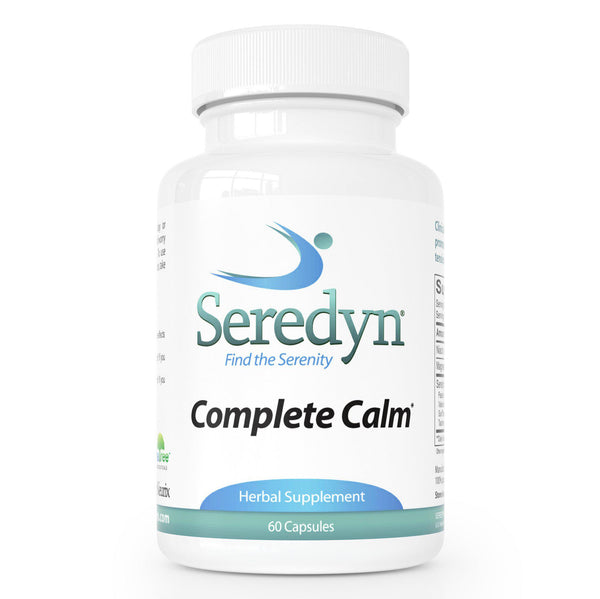
Debilitating anxiety is anxiety intense enough to interfere with daily life, from work and relationships to basic routines. It reaches a level where fear and worry stop being background noise and start shaping the choices a person makes each day.
This goes well beyond normal, passing nervousness. Everyone experiences anxiety before a big event, and that kind of worry usually fades once the moment passes. Debilitating anxiety, sometimes called crippling anxiety, lingers and grows, bringing intense, persistent worry that feels hard to control.
The defining feature of debilitating anxiety is real interference with daily tasks and functioning. When anxiety symptoms make it hard to work, sleep, or keep up relationships, that disruption is the signal that something more than everyday stress is at play.
A qualified mental health professional is the one who can assess it and offer a proper diagnosis, since terms like generalized anxiety disorder or panic disorder describe conditions defined in the Diagnostic and Statistical Manual.²

Debilitating anxiety tends to show up in both the mind and the body, often at the same time. Worry lives in the head, but the fear response sends stress hormones through the body, creating real physical sensations. The signs below often appear together.
Debilitating anxiety can appear in several ways at once:
Persistent, hard-to-control worry that circles the same fears
Avoiding places, tasks, or people, a pattern known as avoidance behaviors
A racing heart, tight chest, or shortness of breath
Trouble sleeping or difficulty concentrating
Feeling restless, on edge, or easily overwhelmed
Distressing physical symptoms like nausea, trembling, or dizziness
These signs of crippling anxiety can build slowly or arrive as frequent panic attacks. Anyone whose anxiety disrupts daily life deserves support, and speaking with a doctor or mental health professional is a strong first step. Chest pain or severe symptoms always warrant prompt medical attention, since they can point to more than anxiety.
Anxiety this intense rarely traces to a single source. Most often, several factors overlap, from biology to life circumstances to daily habits, and health authorities point to a familiar mix of contributors.
Brain chemistry and family history can play a real role in anxiety disorders. When close relatives live with anxiety, a person's own risk tends to rise, which points to a genetic thread.¹ The way the nervous system handles the fear response also shapes how strongly someone experiences anxiety.⁴
Major stress, trauma, or ongoing pressure can contribute to severe anxiety over time. Stressful life events like loss, hardship, or a frightening experience can leave the nervous system on high alert. For some people, that heightened state settles; for others, it hardens into persistent, overwhelming anxiety.
Sleep, certain medical conditions, and substances can all influence anxiety levels. Poor sleep and too much caffeine or alcohol can crank up anxious feelings, and some health conditions carry anxiety as a symptom. Environmental factors and everyday stressors round out the picture, which is why anxiety so rarely has just one cause.
Seredyn Complete Calm combines L-theanine, passion flower, valerian, niacinamide, and magnesium taurinate in one formula created to support everyday relaxation.
View the Calm FormulaCertain signs mean it is time to reach out rather than wait and hope the feeling passes. Anxiety that keeps tightening its grip on daily life is not a weakness to push through alone; it is a signal to seek professional help.
Certain signs are a clear signal to seek professional support:
Anxiety that interferes with work, school, or relationships
Avoiding everyday activities because of fear or worry
Physical symptoms that will not ease
Relying on substances to cope
Any thoughts of self-harm, which call for immediate help
Anyone in crisis or having thoughts of self-harm should contact a local emergency number or a crisis line, such as 988 in the US, right away.
For ongoing anxiety, professional care is the real foundation, and it works.³ A mental health professional may combine therapy such as cognitive behavioral therapy (CBT), medication management when appropriate, and healthy daily habits into a plan that fits the person, and many people find real relief through this kind of support.

Debilitating anxiety is real; it is not a personal failing, and support is both available and effective. The most important step is reaching out to a healthcare professional who can offer a proper diagnosis and a plan, whether that includes talk therapy, medication, or steady coping skills.
For everyday, milder tension that complements professional care, Seredyn Complete Calm from BioNeurix is designed to support a calm, relaxed state. It is not a treatment for anxiety disorders or any medical condition, and it does not replace professional care.
If anxiety is weighing on daily life, take that first step and reach out today, because relief is closer than it may feel right now.
Seredyn Complete Calm can complement healthy stress-management habits for everyday tension. It is not a treatment for anxiety disorders and does not replace professional mental health care.
Check Seredyn Complete CalmIt often feels like constant, overwhelming worry paired with physical symptoms like a racing heart, muscle tension, and trouble sleeping, intense enough to disrupt daily life.
Severe, persistent anxiety can be part of a diagnosable anxiety disorder, though only a mental health professional can give an official diagnosis after a proper assessment.
Everyday anxiety comes and goes with stress, while debilitating anxiety is intense and lasting enough to interfere with work, relationships, and basic daily tasks.
Mild anxiety may ease with time and coping skills, but anxiety severe enough to disrupt daily life usually needs professional help to improve and stay manageable.
See a doctor when anxiety interferes with daily life, brings physical symptoms that will not ease, or leads to avoiding activities, and seek immediate help for thoughts of self-harm.
Hettema, J. M., Neale, M. C., & Kendler, K. S. (2001). A review and meta-analysis of the genetic epidemiology of anxiety disorders. The American journal of psychiatry, 158(10), 1568–1578. https://doi.org/10.1176/appi.ajp.158.10.1568
National Institute of Mental Health. (2024, December). Anxiety disorders. U.S. Department of Health and Human Services. https://www.nimh.nih.gov/health/topics/anxiety-disorders
Papola, D., Miguel, C., Mazzaglia, M., Franco, P., Tedeschi, F., Romero, S. A., Patel, A. R., Ostuzzi, G., Gastaldon, C., Karyotaki, E., Harrer, M., Purgato, M., Sijbrandij, M., Patel, V., Furukawa, T. A., Cuijpers, P., & Barbui, C. (2024). Psychotherapies for Generalized Anxiety Disorder in Adults: A Systematic Review and Network Meta-Analysis of Randomized Clinical Trials. JAMA psychiatry, 81(3), 250–259. https://doi.org/10.1001/jamapsychiatry.2023.3971
Skelton, M., Mitchell, B. L., Assary, E., Li, D., Morneau-Vaillancourt, G., Murphy, A. E., Ter Kuile, A. R., Wang, R., Adams, M. J., Byrne, E. M., Corfield, E. C., Grimes, P. Z., Hannigan, L. J., Hu, J., Kõiv, K., Kwong, A. S. F., Papiol, S., Pettersen, J. H., Pistis, G., Castelao, E., … Eley, T. C. (2026). Genome-wide meta-analysis of quantitatively measured generalized anxiety symptoms in individuals of European ancestry. Nature human behaviour, 10(8), 1594–1608. https://doi.org/10.1038/s41562-026-02476-7