Your Cart is Empty


Stress is not a single on-off switch. It works more like a dial that climbs and drops all day, and most people cannot say where the dial sits at any given moment. That blind spot is a problem, because the sooner you spot rising pressure, the easier it is to steady yourself. So what are five stress levels, and how do you know which one you are living in right now?
The simple map below sorts stress into five clear stages, from calm focus to full overload, so you can name your level and respond. Bioneurix built Seredyn Complete Calm for the everyday end of that scale, where a little daily calm support goes a long way. Read on to find your rung and learn how to climb back down.
Knowing your stress level gives you a chance to support calm before everyday pressure keeps climbing. Seredyn Complete Calm combines magnesium taurinate, L-theanine, and calming botanicals to complement a steady daily wellness routine.
Support Your Daily Calm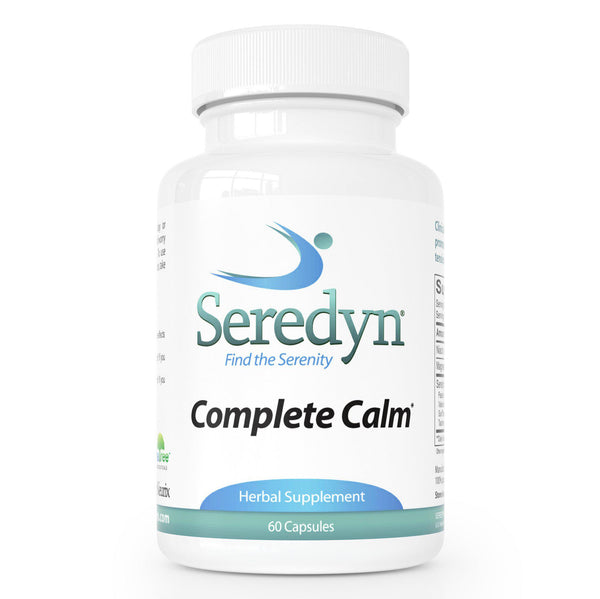
The five stress levels describe a scale that rises from calm and focused at the bottom to severe overload at the top. Think of stress as intensity that grows in stages rather than an all-or-nothing state. This is a practical self-awareness scale, not a formal medical diagnosis, and it helps you catch pressure early. The five levels look like this:
Level 1: Baseline calm and steady focus
Level 2:Mild, manageable everyday stress
Level 3:Moderate pressure that starts to distract
Level 4:High stress with clear physical signs
Level 5:Severe or chronic overload
Each level brings its own mix of mood, focus, and physical symptoms. Knowing the signs of each stage lets you act before stress takes over.

The lower levels feel manageable, and with the right habits, they reset quickly. These early rungs cover most of daily life, from calm focus to the mild stress of a busy afternoon. The goal is to catch pressure here, because it is far easier to steady than a full-blown crisis.
Level 1 is your settled, steady state. Your mind feels clear, your body feels relaxed, and you handle tasks with ease. This calm baseline is where good focus and a sense of control live.
Level 2 is the mild stress of ordinary demands. A packed inbox or a tight errand run nudges you here, and it can even sharpen focus for a short push. This everyday pressure usually fades once the task is done.
Level 3 is moderate stress that starts to distract. A new job, a deadline, or a stack of challenging situations can pull you up to this rung, where your mind races and small tasks feel heavier. You can still cope, but the strain is now hard to ignore.
You now know what the lower and higher stress levels can look like. Pair simple resets like breathing, movement, and better routines with Seredyn Complete Calm for everyday support when you want to maintain a calmer, more settled state of mind.
Explore Seredyn Complete CalmAt the higher levels, the body and mind send louder, harder-to-ignore signals. High stress and chronic overload move beyond passing tension into clear physical and emotional strain. Recognizing these signs early is what keeps a rough patch from becoming a lasting problem.
Level 4 is high stress with clear physical signs. Your heart races, your muscles tighten, and sleep, appetite, and mood take a hit. At this crisis level, focus slips and even simple tasks feel like too much.
Level 5 is severe or chronic overload, the top of the scale.¹ Ongoing pressure, or the aftermath of a traumatic event, can lock the nervous system in a high-alert state. Left unchecked, this level drains physical health and can raise the risk of panic attacks and burnout.
Some signals mean it is time to slow down or reach out. Watch for these signs of too much stress:
Constant fatigue that rest does not fix
Stomach upset or digestive issues
A short fuse or quick irritability
When these stick around or disrupt daily life, professional support is a smart next step.

You move down a level by naming where you are, then using steady habits to bring the dial back down. Awareness comes first, because you cannot manage a stress level you have not noticed.² From there, a few simple resets do most of the work.
Start by checking your rung. Pause and ask which of the five levels fits how your mind and body feel right now. Naming the level turns a vague, overwhelming feeling into something you can actually manage.
Breath and movement calm the nervous system fast. Deep breathing slows a racing heart, and a short walk or stretch burns off tension. These small resets can drop you a level within minutes.
A steady routine keeps everyday stress from creeping up. Seredyn Complete Calm from Bioneurix blends magnesium taurinate with botanicals like L-theanine and passion flower, which support a calm, relaxed state of mind. It is daily calm support for the lower rungs of the scale, not a treatment for a stress disorder, and severe or lasting stress still calls for a doctor.
Stress rises and falls in stages, and knowing your level is the first step to steadying it. The five stress levels run from calm focus at Level 1 to severe overload at Level 5, and each rung shows up in your mood, focus, and body. Once you can name where you land, simple habits like deep breathing, movement, and a calm daily routine help you climb back down.
Seredyn Complete Calm from Bioneurix offers gentle daily calm support for the everyday end of that scale. Check your level right now, take one small step to reset, and give your mind and body the steadiness they are asking for.
Your stress level can change throughout the day, but your routine can stay consistent. Add Seredyn Complete Calm to your everyday wellness habits for convenient support designed around maintaining calm, balance, and a more relaxed state of mind.
Shop Seredyn Complete CalmThe five stress levels are a self-awareness scale that runs from Level 1 baseline calm to mild, moderate, and high stress, up to Level 5 severe or chronic overload.
The body’s recognized stress response has three stages, known as General Adaptation Syndrome: alarm (fight or flight), resistance (adapting to ongoing pressure), and exhaustion (running low on reserves).
The highest level is severe or chronic overload, where nonstop pressure or a traumatic event keeps the nervous system on high alert and can lead to burnout.
Check your mood, focus, sleep, and physical symptoms, then match them to a level, since racing thoughts, tension, and fatigue signal you are climbing the scale.
Physical signs of too much stress include a racing heart, muscle tension, headaches, stomach upset, fatigue, and trouble sleeping.
Noushad, S., Ahmed, S., Ansari, B., Mustafa, U. H., Saleem, Y., & Hazrat, H. (2021). Physiological biomarkers of chronic stress: A systematic review. International journal of health sciences, 15(5), 46–59. https://pmc.ncbi.nlm.nih.gov/articles/PMC8434839/
Palamarchuk, I. S., & Vaillancourt, T. (2021). Mental Resilience and Coping With Stress: A Comprehensive, Multi-level Model of Cognitive Processing, Decision Making, and Behavior. Frontiers in behavioral neuroscience, 15, 719674. https://doi.org/10.3389/fnbeh.2021.719674