Your Cart is Empty


Do you lie awake listening to a heavy pulse echoing in the dark? Facing a heart beating fast at night, a can't-sleep scenario creates an exhausting barrier to deep rest. This intense physical sensation often triggers a cycle of late-night worry. The cycle signals the nervous system to stay alert rather than wind down. Embracing proactive lifestyle adjustments helps soothe an overactive mind and body.
Science-backed wellness principles supported by Bioneurix focus on exactly this kind of holistic balance. Uncovering the everyday triggers behind an elevated evening pulse makes it possible to reclaim peaceful routines and drift into a truly restorative slumber.
When a racing pulse keeps your mind alert, a consistent wind-down routine can help your body prepare for deeper rest. Mellodyn Sleep Easy is made to support calm, restful sleep as part of your evening wellness habits.
Check Out Mellodyn Sleep Easy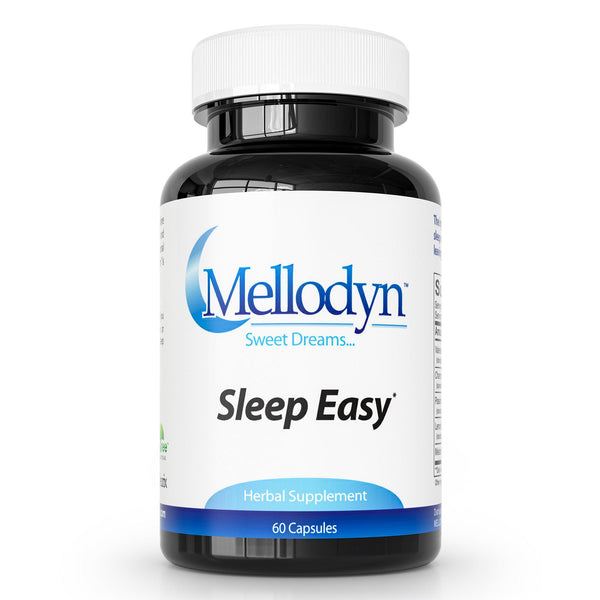
Nighttime heart palpitations involve conscious awareness of a rapid, fluttering, or irregular heartbeat that occurs right before bed. Experiencing unexpected cardiovascular sensations in bed often manifests in a few distinct, recognizable physical ways. Notice heart palpitations carefully to understand what the body is communicating.
A rapid heartbeat feels like the heart racing uncontrollably even while lying perfectly still. This specific symptom often accompanies anxiety or a sudden panic attack. The resting heart rate elevates significantly. Such episodes make it difficult to relax. Many factors contribute to these sudden surges in rhythm.
A heavy, pounding sensation in the chest occurs when the heart beats with unusual force against the chest wall. You might feel the heart pounding so hard that it vibrates the mattress. This sensation often causes distress and sleep deprivation. It is vital to observe if other symptoms accompany this forceful rhythm.
Skipped or fluttering beats describe the feeling of extra beats or a brief pause in the normal rhythm. These harmless premature beats happen occasionally to almost everyone. Not everyone feels them, but skipping beats feels strange when resting quietly. Understanding the electrical signals of the heart's muscles helps demystify these sudden flutters.

The heart races before bedtime due to various dietary,⁵ environmental, and emotional triggers that stimulate the cardiovascular system. These elements signal the body to stay alert rather than wind down. Identifying underlying causes helps in making effective lifestyle changes.
Consuming energy drinks or coffee too late in the day keeps the body stimulated long after sunset. Caffeine blocks sleep-inducing chemicals in the brain. This stimulant effect often triggers frequent heart palpitations as bedtime approaches.
Accumulated daily stress keeps cortisol levels high and prevents relaxation.² Mental tension from the day easily leads to an abnormal heart rhythm at night. Finding ways to relieve heart palpitations requires releasing this built-up tension. Certain medications also heighten this stress response.
Low blood volume from dehydration forces the heart to work harder to circulate oxygen.⁶ Electrolyte imbalances also disrupt the body's natural electrical impulses. Simply drinking water throughout the day provides significant support for cardiovascular stability.
Sleep apnea causes sudden drops in oxygen levels,³ which forces an immediate physical reaction. The body responds to difficulty breathing by releasing adrenaline. This sudden spike frequently makes heart palpitations happen during the night. A professional evaluation from a sleep medicine expert often clarifies this underlying condition.
Midnight wakeups feel easier to manage when your body has a predictable sleep signal. Pair gentle breathing, lower evening stimulation, and Mellodyn Sleep Easy to support a more peaceful transition into rest.
Support Your Sleep RoutineMonitoring nighttime symptoms involves tracking specific metrics to gain insights into late-night cardiovascular changes. Keeping a detailed record helps healthcare providers understand exactly when heart palpitations occur. Record these vital details to better understand physical patterns:
Overnight heart rate data using a wearable fitness tracker to track extra beats.
Symptom and sleep diary entries documenting late-night awakenings and sleeping position.
Evening blood pressure readings taken right before bed to monitor responses to blood pressure medications.
You should seek immediate medical care when rapid heartbeats pair with severe physical distress. While many evening palpitations stem from benign causes, certain warning signs require urgent medical evaluation to rule out a serious health condition like heart disease. Visit an emergency room or seek prompt attention if experiencing these specific symptoms:
Severe, radiating, or crushing chest pain indicating structural problems.
Sudden fainting spells or intense dizziness requiring emergency medical care.
Extreme shortness of breath while resting or any signs pointing to heart problems.
Medical practitioners evaluate a fast heart rate using specific diagnostic tools to determine the exact physiological origin of an elevated evening pulse. A thorough physical examination paired with a detailed medical history reveals vital clues. Identifying an underlying health problem ensures you receive the proper medical treatment.
An electrocardiogram measures the heart's electrical activity to detect abnormalities. This simple test helps doctors identify conditions like atrial fibrillation. It is a fundamental step to determine if you require treatment or can rule out major concerns.
Overnight Holter¹ monitors record the heart rhythm continuously for 24 to 48 hours. This device captures data when nighttime palpitations occur at any time during sleep. It provides a complete picture that a standard blood test cannot offer.
Comprehensive blood panels check for systemic issues, such as an overactive thyroid or specific vitamin deficiencies. Thyroid problems and thyroid disease are common culprits behind a rapid pulse. Checking these levels helps guide an effective treatment plan.
Supervised sleep studies observe breathing patterns and oxygen levels throughout the night. These tests reveal if sleep disorders are causing palpitations and affecting the cardiovascular system. Uncovering these issues is crucial for anyone needing specific medical attention.

Engaging the parasympathetic nervous system safely and effectively reduces an elevated pulse at a moment's notice. Specific physical actions send direct signals to the brain, initiating a calming response. These techniques offer immediate ways to ease discomfort when most heart palpitations strike.
The Valsalva maneuver⁴ involves bearing down as if having a bowel movement to stimulate the vagus nerve. This simple action helps reset an abnormal rhythm quickly. It is a recognized technique endorsed by organizations like the American Heart Association.
Splashing cold water on the face triggers the mammalian dive reflex. This physiological response automatically slows the heart rate. It provides rapid relief when a racing pulse strikes unexpectedly.
Deep breathing exercises focus on extending the exhale to naturally lower a rapid pulse. Inhaling slowly and exhaling completely signals safety to the body. Combining this with gentle stretching and relaxation techniques creates a powerful calming effect.
Making strategic adjustments to daytime routines sets the stage for a much calmer physical state by nightfall. Small daily choices compound to support long-term cardiovascular wellness. Maintaining a healthy weight and avoiding recreational drugs play massive roles in this balance.
Stopping caffeine intake by early afternoon prevents nighttime stimulation. Removing energy drinks and strong coffees allows the body to wind down naturally. This simple change drastically reduces the chances of experiencing a racing pulse in bed.
Drinking adequate fluids throughout the day maintains proper blood volume. Avoiding alcohol before bed also prevents dehydration-induced rapid heartbeats. Proper hydration prevents issues that trigger heart palpitations at night from developing.
Creating a quiet environment signals the brain that it is time to rest. Reading or meditating helps lower cortisol and supports the nervous system. A consistent schedule trains the body to expect sleep instead of stress.
Finishing intense workouts several hours before bed gives the body time to cool down. Exercise is excellent for cardiovascular health but acts as a stimulant if done too late. Timing physical activity correctly ensures the body is ready for rest.
Taking control of an overactive nighttime pulse starts with understanding the subtle signals the body sends throughout the day. Implement one calming breathwork technique tonight, adjust tomorrow's caffeine intake, and start tracking physical symptoms to uncover unique personal triggers. Ignoring these cardiovascular signs carries immense physical risks and long-term financial burdens. Asking your doctor the right technical questions prevents catastrophic delays in your healing journey.
Prioritize cardiovascular wellness and proactive relaxation to transform restless nights into consistently peaceful rest, and lock in professional support with Bioneurix Mellodyn Sleep Easy before another sleepless night begins.
After you identify your nighttime triggers, the next step is creating a routine you can repeat. Mellodyn Sleep Easy helps support your body’s natural sleep rhythm so you can end the day with more calm and confidence.
Shop Mellodyn Sleep EasyChanging your sleeping position to lie flat shifts blood volume and puts extra pressure on the chest wall, making heartbeats feel more noticeable.
Most heart palpitations occur occasionally and last only a few seconds or minutes before the resting heart rate returns to normal.
Yes, accumulated daily stress and anxiety frequently trigger the nervous system to release adrenaline, causing a rapid pulse right before bed.
A lack of drinking water lowers blood volume and forces the heart to pump harder to circulate oxygen, which can lead to nighttime palpitations.
Sleeping on your right side is often recommended because sleeping hunched on the left side can put pressure on the heart and worsen symptoms.
Javaheri, S., Somers, V. K., & Campos-Rodriguez, F. (2017). Reply: Overnight Holter Electrocardiography: An Opportunity for Early Sleep Apnea Diagnosis and Treatment. Journal of the American College of Cardiology, 70(6), 810. https://doi.org/10.1016/j.jacc.2017.05.066
Knezevic, E., Nenic, K., Milanovic, V., & Knezevic, N. N. (2023). The Role of Cortisol in Chronic Stress, Neurodegenerative Diseases, and Psychological Disorders. Cells, 12(23), 2726. https://doi.org/10.3390/cells12232726
Slowik, J. M., Sankari, A., & Collen, J. F. (2025). Obstructive Sleep Apnea. In StatPearls. StatPearls Publishing. https://pubmed.ncbi.nlm.nih.gov/29083619/
Srivastav, S., Jamil, R. T., Dua, A., & Zeltser, R. (2026). Valsalva maneuver. InStatPearls. StatPearls Publishing.https://www.ncbi.nlm.nih.gov/books/NBK537248/
St-Onge, M. P., & Zuraikat, F. M. (2019). Reciprocal Roles of Sleep and Diet in Cardiovascular Health: a Review of Recent Evidence and a Potential Mechanism. Current atherosclerosis reports, 21(3), 11. https://doi.org/10.1007/s11883-019-0772-z
Watso, J. C., & Farquhar, W. B. (2019). Hydration Status and Cardiovascular Function. Nutrients, 11(8), 1866. https://doi.org/10.3390/nu11081866