Your Cart is Empty


"Stressed to death" gets said so casually that the real connection between stress and the body is easy to shrug off. Yet the question of whether stress can kill you deserves a serious answer, because the effects on the heart are genuine. What follows looks at how stress strains the cardiovascular system, when it crosses from ordinary pressure into a real concern, and how to keep everyday stress in check.
BioNeurix focuses on emotional wellness and calm, making it a useful place to understand the stakes and steady your footing before stress runs the show.
Managing everyday stress starts with sleep, movement, connection, and other steady habits. Seredyn Complete Calm can be added as a calm-focused supplement to support a relaxed state alongside those basics.
See Seredyn Complete Calm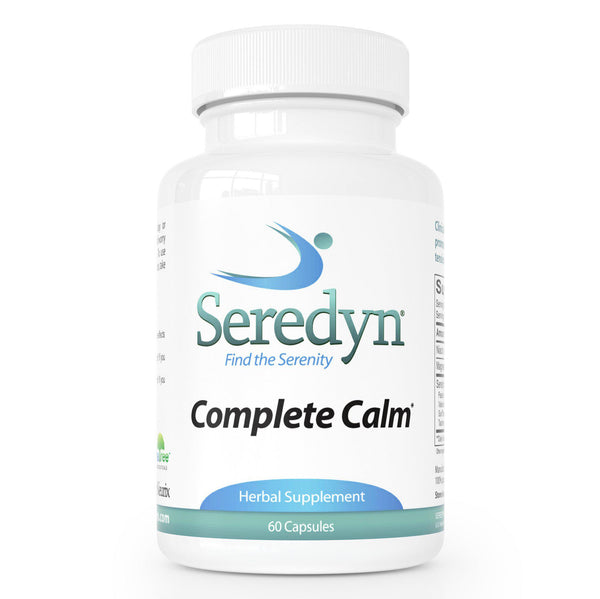
Stress is rarely a direct cause of death on its own, but ongoing and sudden stress are linked to serious health risks, especially for the heart. The danger usually comes from what stress does to the body over time, or in a single extreme moment, rather than from stress itself.
Stress alone rarely kills a healthy person outright. A tense week or a hard deadline won't stop a healthy heart. The concern grows when stress is severe, sudden, or grinds on for months and years, since that is when the body pays a real price.
Stress can contribute to conditions that carry genuine danger, particularly over the long term. Chronic stress puts steady pressure on the heart, blood vessels, and other body systems, and research from health authorities links it to a higher risk of heart disease over time.⁴ It rarely acts alone, but it can tip an already vulnerable body toward serious health problems.

Much of the concern around stress centers on the cardiovascular system, since the heart takes the brunt of the body's stress response. When stress hormones surge, the heart works harder, and over time that toll adds up, from higher blood pressure to rarer events like broken heart syndrome.
Stress is linked to higher blood pressure and added strain on the heart. When a person feels stressed, the stress hormone cortisol and other hormonal signals raise heart rate and blood pressure, preparing the body for action. According to health authorities like the American Heart Association, repeated spikes in blood pressure from long-term stress can wear on the heart and blood vessels, raising the risk of heart disease.⁵
Broken heart syndrome is a real, usually temporary heart condition triggered by intense stress, and it can mimic a heart attack.¹ Doctors call it stress-induced cardiomyopathy, and it often follows a sudden shock like grief or a natural disaster.² Most people recover, but the episode can be serious and sometimes brings abnormal heart rhythms, which is why sudden chest pain always needs medical attention.
Stress often disrupts sleep, eating, and other habits, which can indirectly compound health risks. Poor sleep, unhealthy habits, weight gain, and skipped exercise tend to pile up when stress runs high, and each one adds its own strain on the heart. The result is a loop where stress harms health both directly and through the choices it nudges a person toward.
Seredyn Complete Calm combines L-theanine, passion flower, valerian, niacinamide, and magnesium taurinate in one formula designed to support everyday relaxation.
View the Calm FormulaThe body often signals when stress has climbed too high, and learning to read those signs early makes a real difference. Stress symptoms show up in the body, the mind, and daily habits, sometimes all at once. Recognizing stress symptoms is the first step toward acting before the load grows heavier.
Persistent stress can show up in ways worth taking seriously:
Ongoing trouble sleeping or constant fatigue
Frequent headaches or muscle tension
A racing heartor chest tightness
Digestive upset that lingers, including flare-ups tied to irritable bowel syndrome
Feeling on edge, irritable, or overwhelmed most days
Some signs are urgent. Anyone with chest pain, shortness of breath, or other possible cardiac symptoms should seek emergency medical care right away, since these can point to a heart problem rather than simple stress. Ongoing stress that disrupts daily life is worth discussing with a healthcare provider or mental health professional, who can help build a plan that fits.

Keeping everyday stress in check comes down to steady, repeatable habits rather than any single fix. Small routines, done consistently, do more for stress management than an occasional big effort.
A few everyday habits go a long way toward keeping stress manageable:
Regular movement, even a daily walk, since physical activity burns off stress hormones
Consistent, quality sleep to help the body recover
Slow, deep breathing or short mindfulness breaks during tense moments
Real connection with supportive people
Limiting caffeine and alcohol when stress runs high
Building a few healthy coping skills into a routine helps the body handle pressure more healthily. Alongside those habits, some people round out a calm-focused routine with a supplement made to support a relaxed state, which brings us to one final point.
Stress is rarely a direct killer, but it earns respect, and the real safeguards are steady daily habits plus professional care when the signs call for it. Move your body, protect your sleep, lean on the people around you, and never brush off chest pain or other warning signs.
For everyday stress management, Seredyn Complete Calm from BioNeurix is made to support a calm, relaxed state as part of that routine. It is not a treatment for heart conditions or any medical condition, and it does not replace medical care.
Take your stress seriously, build the habits that steady you, and reach for help the moment your body asks for it.
Pair healthy stress-management habits with a formula made to support a calm, relaxed state. Seredyn Complete Calm is designed for everyday wellness, not as a treatment for heart conditions or other medical problems.
Check Seredyn Complete CalmStress alone rarely causes death directly, though chronic and extreme stress are linked to serious risks like heart disease, so ongoing stress is worth taking seriously.
Sudden, intense stress can trigger heart problems in some people, and long-term stress raises the risk of heart disease over time, so any chest pain needs prompt medical care.
Common warning signs include poor sleep, headaches, muscle tension, a racing heart, digestive problems, and feeling constantly overwhelmed or on edge.
In rare cases, extreme stress can trigger dangerous heart events like broken heart syndrome or abnormal heart rhythms, which is why sudden severe symptoms call for emergency care.
Stress becomes too much when it regularly disrupts sleep, health, mood, or daily life, and a healthcare provider can help when it reaches that point.
Barmore, W., Patel, H., Harrell, S., Garcia, D., & Calkins, J. B., Jr (2022). Takotsubo cardiomyopathy: A comprehensive review. World journal of cardiology, 14(6), 355–362. https://doi.org/10.4330/wjc.v14.i6.355
Carey, I. M., Shah, S. M., DeWilde, S., Harris, T., Victor, C. R., & Cook, D. G. (2014). Increased risk of acute cardiovascular events after partner bereavement: a matched cohort study. JAMA internal medicine, 174(4), 598–605. https://doi.org/10.1001/jamainternmed.2013.14558
Dar, T., Radfar, A., Abohashem, S., Pitman, R. K., Tawakol, A., & Osborne, M. T. (2019). Psychosocial Stress and Cardiovascular Disease. Current treatment options in cardiovascular medicine, 21(5), 23. https://doi.org/10.1007/s11936-019-0724-5
Osborne, M. T., Shin, L. M., Mehta, N. N., Pitman, R. K., Fayad, Z. A., & Tawakol, A. (2020). Disentangling the Links Between Psychosocial Stress and Cardiovascular Disease. Circulation. Cardiovascular imaging, 13(8), e010931. https://doi.org/10.1161/CIRCIMAGING.120.010931
Vaccarino, V., & Bremner, J. D. (2024). Stress and cardiovascular disease: an update. Nature reviews. Cardiology, 21(9), 603–616. https://doi.org/10.1038/s41569-024-01024-y