Your Cart is Empty


Stress builds fast, but relief takes patience. Supplements for stress are one tool people reach for when everyday tension starts eating into sleep, focus, and mood. They can support a calmer mind, though most work on a timeline rather than a switch.
Bioneurix builds plant-based, nutrient-rich formulas to help you feel steadier and think more clearly, without the jitters. How long you wait for results depends on the ingredient, your body, and your habits.
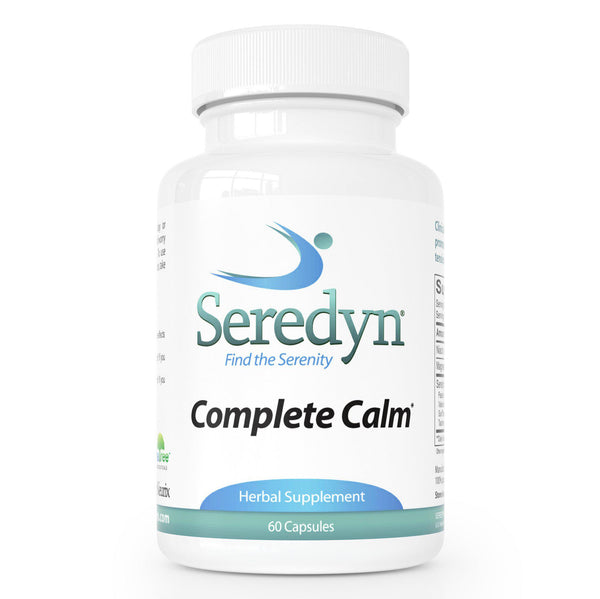
Supplements for stress are natural compounds, herbs, and nutrients that support the body's stress response and a calm mind. Most fall into three groups. Knowing the type helps you set the right expectations before you start.
Natural compounds are single, well-studied ingredients that support relaxation without heavy sedation. L-theanine, an amino acid found in tea leaves, is a common example. It nudges the brain toward a calm, focused state¹ and rarely causes drowsiness.
Herbal supplements come from plants used for calm for generations. Lemon balm, valerian root, and adaptogens like ashwagandha and rhodiola fall here. Ashwagandha, rooted in Ayurvedic medicine, is studied for its potential to help the body manage stress hormones over time.
Nutritional support refers to the vitamins and minerals your nervous system needs to function well. Magnesium, B vitamins, vitamin D, and vitamin C all play roles in mood regulation and energy.³ Low levels of these nutrients can leave you feeling more frazzled than usual.
Most stress supplements take anywhere from an hour to several weeks to work, depending on the ingredient. Some create a quick sense of calm. Others build slowly as the body restores what it was missing.
Fast-acting options can be felt within 30 to 60 minutes. L-theanine is the clearest example, promoting relaxation and mental clarity soon after a dose. These effects are gentle and short-lived, more of a nudge than a knockout.
Gradual benefits usually show up over days to a few weeks. Magnesium supplementation often fits here, easing tension as magnesium levels climb back to normal. Consistency matters more than dose size at this stage.
Long-term support can take four to eight weeks of daily use. Adaptogens like ashwagandha have been studied during this window, with double-blind research linking them to lower stress hormone levels.² Patience pays off, since these ingredients work by helping the body adapt rather than by masking feelings.

Some supplements calm the mind faster than others. Here are options people often discuss:
L-Theanine: Promotes calm focus within 30 to 60 minutes.
Lemon Balm: May support short-term relaxation.
Magnesium: Helps steady the stress response, often felt within days.
Adaptogens (Ashwagandha, Rhodiola): Usually take effect with consistent use.
Speed is only part of the picture. A fast supplement can still fall flat if the habits around it work against you.
Lifestyle shapes how well any supplement works, sometimes more than the supplement itself. Sleep, food, and daily pressure all change how the body handles stress. Fix the basics, and supplements have a better shot at helping.
Poor sleep, including bouts of insomnia, blunts almost any stress supplement's benefit. When sleep quality drops, stress hormones rise, and mood swings become more common. Better rest gives ingredients like magnesium and L-theanine a stronger base to work from.
A balanced diet feeds the brain cells and chemistry behind a steady mood. Whole foods, chia seeds, fish, and leafy greens supply nutrients that support brain function. Supplements fill gaps, but they cannot replace real meals.
High daily stress can outpace what any supplement offers. Constant pressure keeps the nervous system on alert, which slows progress. Pairing supplements with short breaks and regular physical activity helps the body reset.
Most stress supplements are considered safe for daily use in healthy adults at normal doses. Still, safety depends on the ingredient, the dose, and what else you take. A few checks keep daily use sensible.
Common options like magnesium and L-theanine are well tolerated for most adults. High doses can cause side effects, such as loose stools from magnesium citrate or drowsiness from valerian root, an herb some use for occasional sleeplessness. Starting low and going slow lowers that risk.
Supplements can interact with prescription medications, including sedatives and blood pressure drugs. Some herbal supplements change how the body processes medicine. Anyone on daily medications should review new supplements with a pharmacist or doctor first.
Professional guidance matters most for anyone with a health condition, an anxiety disorder, or frequent panic attacks. A licensed health care professional can flag risks and check for low levels of nutrients like vitamin D. Supplements support well-being; they are not a cure for anxiety and do not replace treatment for a diagnosed condition.
Long-term stress balance comes from ingredients that support the body's own stress systems over weeks and months. Three groups stand out for steady, daily support. Each targets a different piece of how stress affects the body.
Adaptogens help the body handle ongoing stress and bounce back faster. Ashwagandha and rhodiola may reduce fatigue and support a calm, resilient state with regular use. Double-blind studies on ashwagandha have linked it to reduced perceived stress over several weeks.
Omega-3 fatty acids support brain function and a steadier mood. Fish oil and krill oil are the richest sources, while chia seeds offer a plant-based option. These fats are building blocks for brain cells, which may help improve mood over time.
B vitamins help keep energy and mood steady by supporting the nervous system. Low levels can lead to fatigue and mood changes, especially during busy or stressful stretches. A daily B-complex helps fill gaps that diet alone may miss.
No. Supplements work best alongside healthy routines, not in place of them. Treat them as support for a foundation you build with daily choices:
Consistent sleep schedule
Balanced nutrition
Regular physical activity
Mindfulness or relaxation practices
Skip the basics, and even the best supplements have less to work with.

The best supplements for you match your goals, come from a trusted source, and list exactly what is inside. Three checks make the choice easier. Use them before adding anything new to a routine.
Clear labels tell you every ingredient and its dose. Skip products that hide amounts inside a "proprietary blend." Transparency signals a brand that stands behind its formula.
Third-party testing confirms a product contains what the label claims. Look for seals from independent labs on dietary supplements. This step guards against contamination and weak doses.
Your goals decide which ingredient fits. Someone chasing calm focus for a big day may pick L-theanine, while someone managing steady stress may lean toward magnesium glycinate or adaptogens. Match the supplement to the outcome you actually want.
The best way to start is slowly, simply, and with tracking. Adding one product at a time shows you what actually works. A little structure early saves guesswork later.
Start with a single supplement to judge its effect. Adding several at once makes it hard to know what helped. Give each new option a couple of weeks before deciding.
Keep a short note on sleep, mood, and focus each day. Small patterns reveal whether a supplement supports relaxation or does nothing. Honest tracking beats guessing every time.
Talk with a healthcare provider before starting, especially if you are taking existing medications or have health concerns. Professional guidance helps you avoid interactions and pick safe doses. It also confirms a supplement fits the wider health picture.
Calm rarely arrives overnight, and that is normal. Fast options like L-theanine can ease tension within the hour, while magnesium and adaptogens build steadier support over days and weeks. The real gains come when stress supplements sit atop good sleep, solid nutrition, and regular movement.
Start with one product, track how you feel, and check with a healthcare provider along the way. Explore trusted, plant-based formulas from Bioneurix and take one clear step toward a calmer, sharper day.
Fast options like L-theanine work in 30 to 60 minutes, while magnesium and adaptogens take days to several weeks.
Popular natural supplements for stress include L-theanine, magnesium, ashwagandha, and lemon balm.
Some supplements interact with prescription medications, so check with a healthcare provider before combining them.
Herbal supplements like lemon balm and ashwagandha may promote relaxation, though they do not replace care for an anxiety disorder.
Most are considered safe for daily use in healthy adults at normal doses, but professional guidance is wise for ongoing use.
Gerolymos, C., Saddier, E., Boyer, L., & Fond, G. (2026). Cognitive and affective effects of L-Theanine: a systematic review and meta-analysis of 31 randomized trials. Molecular psychiatry, 10.1038/s41380-026-03727-9. Advance online publication. https://doi.org/10.1038/s41380-026-03727-9
Lopresti, A. L., Smith, S. J., Malvi, H., & Kodgule, R. (2019). An investigation into the stress-relieving and pharmacological actions of an ashwagandha (Withania somnifera) extract: A randomized, double-blind, placebo-controlled study. Medicine, 98(37), e17186. https://doi.org/10.1097/MD.0000000000017186
Tardy, A. L., Pouteau, E., Marquez, D., Yilmaz, C., & Scholey, A. (2020). Vitamins and Minerals for Energy, Fatigue and Cognition: A Narrative Review of the Biochemical and Clinical Evidence. Nutrients, 12(1), 228. https://doi.org/10.3390/nu12010228