Your Cart is Empty


A bottle of magnesium sits on your counter, and the same question nags every day: morning or night? Here is the honest answer. When is the best time to take magnesium matters far less than most people fear, because consistency and the right form do most of the work.
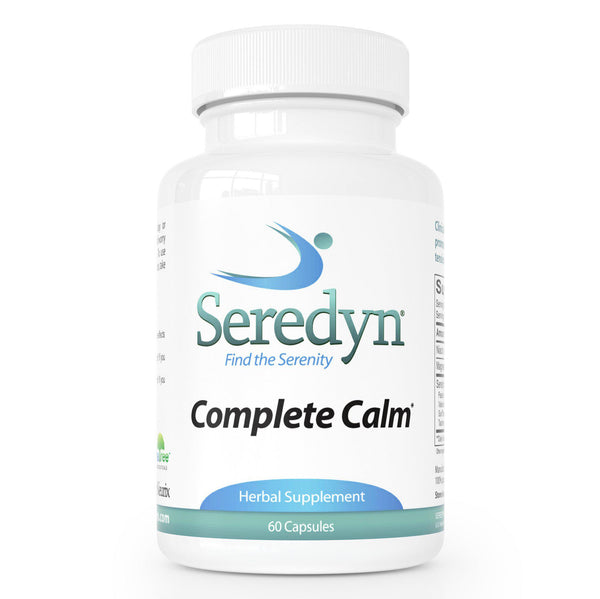
Magnesium is an essential mineral your body uses for muscle function, energy production, and calm, so simply getting it in daily is the real win. Bioneurix built Seredyn Complete Calm around a gentle, well-absorbed form for that reason. What follows is a clear look at morning versus night, plus simple habits that help you get the most from every dose.
The best time to take magnesium is the time you can take it consistently. Morning and night can both work well, depending on your routine and goal.
Bottom line: Take magnesium in the morning for daytime routine support or at night for a calmer wind-down. Consistency matters more than the exact time.
The time of day matters less than taking magnesium consistently. For most people, a steady daily habit builds adequate magnesium levels better than any perfect hour. Magnesium supports hundreds of enzymatic reactions in the body, from ATP production and muscle function to heart health and bone health, and it works around the clock.⁴ A few small perks can still guide your choice.
A daily habit beats chasing the ideal hour. Your body keeps magnesium stores and draws on them throughout the day, so regular magnesium intake keeps those stores topped up. Low magnesium levels can show up as muscle cramps, fatigue, and poor sleep, which makes the daily habit the point.¹
A few timing tweaks are worth knowing. Taking magnesium with food improves comfort and absorption, and spacing it from calcium, certain antibiotics, or other supplements helps optimal absorption. These are minor adjustments, not make-or-break rules.
Your reason for taking magnesium points to the best time. Morning suits steady daytime support, while evening suits muscle relaxation and a calmer wind-down. Magnesium timing depends on what you are after.

Taking magnesium in the morning works well if you want steady support and an easy routine to remember. A daytime dose spreads the mineral’s benefits across your busiest hours. Morning also makes the habit simple to keep.
Morning magnesium supports you through the day. The mineral fuels enzymatic reactions, energy production, and muscle function, all of which you lean on from breakfast to evening. A daytime dose keeps that support flowing.
Breakfast makes magnesium easier on the stomach. Taking magnesium with food lowers the chance of digestive upset, and a nutrient-rich meal rounds out your intake. Magnesium-rich foods like pumpkin seeds, brown rice, and whole grains fit here too.
Morning is easy to anchor. Stacking magnesium onto something you already do, like coffee or breakfast, helps you take it at the same time each day. Consistency is what maintains adequate magnesium levels over the long run.
Magnesium before bed suits anyone who wants to relax and ease into a calmer evening. An evening dose fits a wind-down routine and a slower close to the day. For many people, night is the more appealing choice.
An evening dose fits a calm wind-down. Magnesium plays a role in the nervous system and supports gamma-aminobutyric acid (GABA), a brain messenger tied to relaxation.² Taking it at night pairs naturally with a slower pace.
Magnesium supports muscle relaxation and eases muscle tension. That settled feeling can help you unwind after a long day. Some studies suggest magnesium may support sleep quality, though it is not a cure for sleeplessness.
Nighttime doses slot into a bedtime routine. Alongside dim lights, less screen time, and calm habits, magnesium can round out the ritual. Pairing magnesium with a steady routine improves your odds of sticking with it.
A few simple habits improve comfort and absorption no matter the hour. The form you pick and how you take it shape your results more than timing alone. Keep these in mind:
Take it with food to ease the stomach and reduce digestive upset
Split larger amounts into two smaller doses for optimal absorption
Pick the same time each day for consistency
Choose a gentle, well-absorbed form like magnesium glycinate or taurate
Pair it with a calm daily routine
Forms differ widely. Magnesium oxide is cheap but poorly absorbed and more likely to loosen a bowel movement, and magnesium citrate is often used for occasional constipation because it pulls water into the bowel.³ Magnesium glycinate, malate, and taurate are generally well absorbed and gentle. Newer forms like magnesium threonate and magnesium bisglycinate target specific goals, since threonate crosses the blood-brain barrier and is studied for brain health.⁵ High doses of any form can cause loose stools, so start low.

Seredyn Complete Calm uses magnesium taurinate, a gentle and well-absorbed form. The type of magnesium matters as much as the hour you take it, and the Seredyn blend leans on a form chosen for comfort and calm.
Magnesium taurinate pairs the mineral with the amino acid taurine. This combination stays gentle on the digestive tract and easy on sensitive stomachs. It delivers magnesium without the harsh laxative effect of some cheaper forms.
Seredyn blends magnesium with soothing botanicals. Ingredients like L-theanine and passion flower join the magnesium to support a relaxed, settled state of mind. The mix aims for calm, not sedation.
One daily serving keeps the habit easy. A single, consistent dose fits either a morning or an evening routine, whichever you prefer. Simplicity is what helps the habit last.
The best time to take magnesium is the time you will actually remember. Morning offers steady daytime support, evening fits a calmer wind-down, and both build adequate magnesium levels with consistency. The form matters too, so a gentle, well-absorbed option keeps the habit comfortable.
Seredyn Complete Calm from Bioneurix pairs magnesium taurinate with calming botanicals in one simple daily serving that slots into morning or night. Pick your time, start today, and let a steady calm habit work in your favor.
Both work, so the best time to take magnesium is whenever you can take it consistently, with morning suiting daytime support and night suiting relaxation.
You can, but taking magnesium with food lowers the chance of digestive upset and loose stools, especially with higher doses.
Magnesium can ease muscle tension within a few hours, though building adequate magnesium levels for steady benefits often takes a few weeks of daily use.
Daily magnesium is safe for most healthy adults, and the National Institutes of Health (NIH) sets the upper limit for supplemental magnesium at 350 mg per day, so check with a doctor if you have health conditions or take certain antibiotics.
Gentle, well-absorbed forms like magnesium glycinate and magnesium taurate are popular for relaxation because they support calm without a strong laxative effect.
Ahmed, F., & Mohammed, A. (2019). Magnesium: The Forgotten Electrolyte-A Review on Hypomagnesemia. Medical sciences (Basel, Switzerland), 7(4), 56. https://doi.org/10.3390/medsci7040056
Maier, J. A. M., Locatelli, L., Fedele, G., Cazzaniga, A., & Mazur, A. (2022). Magnesium and the Brain: A Focus on Neuroinflammation and Neurodegeneration. International journal of molecular sciences, 24(1), 223. https://doi.org/10.3390/ijms24010223
Mori, H., Tack, J., & Suzuki, H. (2021). Magnesium Oxide in Constipation. Nutrients, 13(2), 421. https://doi.org/10.3390/nu13020421
Fatima, G., Dzupina, A., B Alhmadi, H., Magomedova, A., Siddiqui, Z., Mehdi, A., & Hadi, N. (2024). Magnesium Matters: A Comprehensive Review of Its Vital Role in Health and Diseases. Cureus, 16(10), e71392. https://doi.org/10.7759/cureus.71392
Zhang, C., Hu, Q., Li, S., Dai, F., Qian, W., Hewlings, S., Yan, T., & Wang, Y. (2022). A Magtein®, Magnesium L-Threonate, -Based Formula Improves Brain Cognitive Functions in Healthy Chinese Adults. Nutrients, 14(24), 5235. https://doi.org/10.3390/nu14245235