Your Cart is Empty


Your palms sweat, your heart picks up, and your stomach twists into knots minutes before a big meeting. That churn is real, and it often has more to do with your mind than your last meal.
Learning how to tell if nausea is from anxiety helps you respond to the right cause instead of blaming the wrong one. Anxiety and nausea travel together more often than most people expect, because the brain and gut stay in constant contact.
Bioneurix, the maker of Seredyn Complete Calm, built its calm-support formula around that connection. The seven signs below show you when a nervous stomach is behind the discomfort and what you can do to settle it.
Your nausea may be connected to anxiety when it follows a clear stress-related pattern. Look for these signs:
If several signs happen together, anxiety may be contributing to the nausea. Persistent, severe, or unexplained symptoms should still be discussed with a healthcare professional.
Anxiety nausea feels like a queasy, unsettled stomach that shows up alongside worry rather than after a meal.⁶ Nausea is one of the most common physical manifestations of anxiety, and it often arrives with other anxiety symptoms. Most people notice a cluster of sensations that rise and fall with stress.
That fluttery, butterflies feeling comes from the body’s stress response. When you feel anxious, blood flow shifts away from the digestive tract, which can leave your stomach churning or tight. The discomfort often sits high in the belly and pairs with a loss of appetite.
Anxiety-related nausea tends to move in waves. It builds when anxious thoughts pile up and eases once your mind settles. Unlike motion sickness or pregnancy-related nausea, this on-and-off pattern ties directly to a stressful moment, like a test, a flight, or a hard talk.
Anxiety-induced nausea usually skips the fever, chills, and persistent vomiting of a stomach bug. You feel sick, yet the classic signs of infection stay away. That gap is one of the clearest clues that stress, not food poisoning or a virus, sits behind the upset stomach.
A few clues separate a nervous stomach from food poisoning or a viral bug. Anxiety and nausea follow a pattern, and once you know it, the difference gets easier to spot. Watch for these seven signs:
Nausea that spikes during stressful moments
Queasiness that eases once the stress passes
A racing heart or rapid breathing alongside it
Muscle tension in the chest, jaw, or shoulders
No fever, chills, or diarrhea
Loss of appetite tied to worry, not illness
A pattern that repeats before known triggers
When several of these ring true, underlying anxiety is the likely driver. Anxiety and nausea can also overlap with digestive disorders like irritable bowel syndrome, so tracking the pattern helps you and any doctor find the real cause.

Anxiety upsets your stomach because the brain and gut are wired together and trade signals all day.¹ When your mind senses a threat, the digestive system reacts within seconds. Three processes explain the churn.
The gut-brain connection is a two-way line between your head and your belly. Millions of nerve cells let the brain and gut communicate about stress, digestion, and even regulating mood. When anxiety levels climb, that signal can trigger nausea and other symptoms.
Your fight-or-flight response puts digestion on pause. When anxiety activates this alarm, the autonomic nervous system sends energy to the heart and muscles and away from normal digestion. Food sits longer, and shifts in stomach acid can even feel like acid reflux.
Stress hormones like cortisol and adrenaline flood the body during anxious moments.⁴ These chemicals speed the heart, quicken breathing, and unsettle the digestive tract. Over time, chronic stress and chronic anxiety keep the gut on edge and can worsen nausea.
You can settle anxiety-related nausea naturally by calming the nervous system that started it. Relaxation techniques like deep breathing and progressive muscle relaxation ease the body’s stress response, and a calmer body means a calmer stomach. Steady stress management techniques, plus enough sleep and gentle physical activity, help far beyond the moment nausea hits.
Deep breathing tells the body the threat has passed. Try box breathing: inhale for four counts, hold for four, exhale for four, and hold for four. These deep breathing exercises slow rapid breathing and help reduce anxiety within minutes.
Ginger and peppermint have long soothed an upset stomach.³'⁵ Sipping ginger or peppermint tea can calm queasiness, especially on an empty stomach. Steady meals also support gut health and keep the digestive system from spiking your stress.
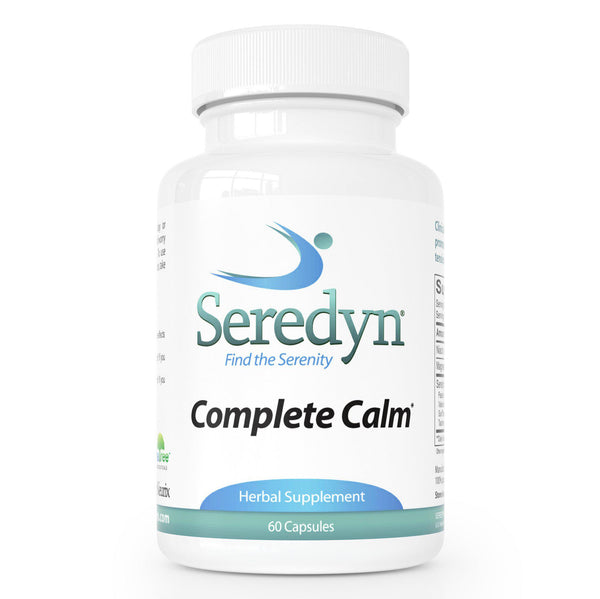
Some people add a calm-support supplement to a daily routine. Seredyn Complete Calm from Bioneurix blends botanicals like L-theanine and passion flower, which support a relaxed, settled state of mind. Over-the-counter anti-nausea medications may ease the stomach for a while, but steady calm habits target what triggers the queasiness in the first place.

Most anxiety-related nausea passes on its own, but some symptoms call for medical attention. Nausea that lingers or pairs with alarming signs may point to gastrointestinal disorders or other conditions. See a doctor if you notice:
Nausea lasting more than a few days
Vomiting, blood, or unexplained weight loss
Fever or severe stomach pain
Nausea that wakes you from sleep
Symptoms that disrupt daily life
Severe stomach pain, chest pain, or vomiting blood needs immediate medical attention. A mental health professional can help when constant worry, panic attacks, or heightened anxiety keep nausea coming back or tie to other mental health conditions. Anxiety disorders respond well to care, and treatment options like cognitive behavioral therapy (CBT) can build an appropriate treatment plan around the underlying cause.²
Anxiety and nausea travel together for many people, and reading the signs puts you back in control. When queasiness climbs with stress, fades when you relax, and skips the fever, the source is likely your mind, not a bug. Steady habits like deep breathing, healthy sleep habits, and calm daily routines ease the body’s stress response over time.
For extra daily calm support, Seredyn Complete Calm from Bioneurix pairs soothing botanicals with a routine you can lean on. Take the first step today, and give your stomach the steady calm it keeps asking for.
Yes, anxiety can cause both, since nausea caused by the stress response can build until the stomach turns, though vomiting is less common than a queasy, upset stomach.
Anxiety nausea often fades within minutes to a few hours once the stressful moment passes, but chronic anxiety can keep it coming back.
Deep breathing exercises, ginger or peppermint tea, and stepping away from the trigger can help anxiety nausea ease quickly.
Yes, people experiencing anxiety or chronic anxiety can feel nausea daily, which is a sign it may be worth talking with a mental health professional.
Magnesium supports normal muscle and nerve function and a calm, relaxed state, which some people find eases stress-related stomach discomfort.
Faysal, M., Zehravi, M., Sutradhar, B., Al Amin, M., Shanmugarajan, T. S., Arjun, U. V. N. V., Ethiraj, S., Durairaj, A., Dayalan, G., Ahamad, S. K., Rab, S. O., Raman, K., & Emran, T. B. (2025). The Microbiota-Gut-Brain Connection: A New Horizon in Neurological and Neuropsychiatric Disorders. CNS neuroscience & therapeutics, 31(9), e70593. https://doi.org/10.1111/cns.70593
Nakao, M., Shirotsuki, K., & Sugaya, N. (2021). Cognitive-behavioral therapy for management of mental health and stress-related disorders: Recent advances in techniques and technologies. BioPsychoSocial medicine, 15(1), 16. https://doi.org/10.1186/s13030-021-00219-w
Nikkhah Bodagh, M., Maleki, I., & Hekmatdoost, A. (2018). Ginger in gastrointestinal disorders: A systematic review of clinical trials. Food science & nutrition, 7(1), 96–108. https://doi.org/10.1002/fsn3.807
Russell, G., & Lightman, S. (2019). The human stress response. Nature reviews. Endocrinology, 15(9), 525–534. https://doi.org/10.1038/s41574-019-0228-0
Scarpellini, E., Broeders, B., Schol, J., Santori, P., Addarii, M., Boccuto, L., Carbone, F., Abenavoli, L., & Tack, J. (2023). The Use of Peppermint Oil in Gastroenterology. Current pharmaceutical design, 29(8), 576–583. https://doi.org/10.2174/1381612829666230328163449
Tarbell, S. E., Shaltout, H. A., Wagoner, A. L., Diz, D. I., & Fortunato, J. E. (2014). Relationship among nausea, anxiety, and orthostatic symptoms in pediatric patients with chronic unexplained nausea. Experimental brain research, 232(8), 2645–2650. https://doi.org/10.1007/s00221-014-3981-2