Your Cart is Empty


You start a new magnesium habit to feel calmer, and within a day you are sprinting to the bathroom. So, can magnesium cause diarrhea? For plenty of people, yes, and the form on the label is usually the reason. The good news is that the loose stools are rarely serious and easy to avoid once you know which magnesium forms stay gentle on the gut.
Bioneurix keeps this in mind with Seredyn Complete Calm, which uses a gentle, well-absorbed form of the mineral. Here is why magnesium can loosen the stomach, which types cause the least trouble, and how to get the calm without the gut drama.
You have seen how the form of magnesium can affect digestive comfort. Seredyn Complete Calm combines magnesium taurinate with complementary calming ingredients in one simple formula designed to support a more relaxed daily routine.
See Seredyn Complete Calm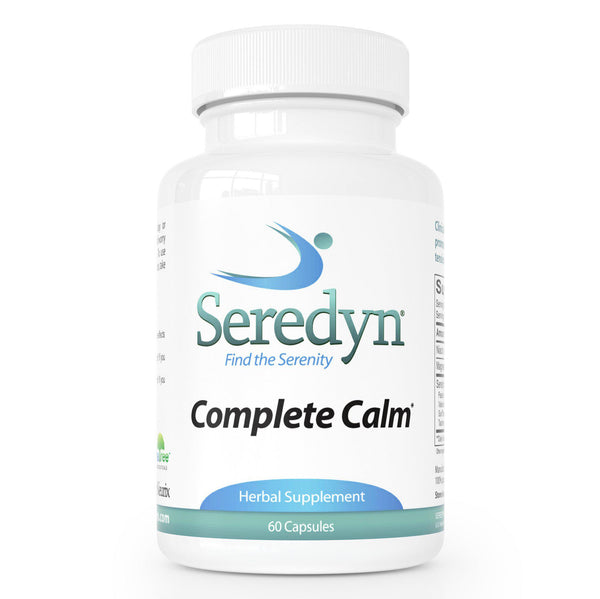
Magnesium can cause diarrhea, and it is one of the most common side effects of taking magnesium supplements.² The mineral has a natural laxative effect, so the wrong form or too high a dose can send you to the bathroom. For most healthy adults, the digestive issues stay mild and pass quickly.
Magnesium has long been used to relieve occasional constipation for a reason. Some magnesium forms draw water into the digestive system, which softens bowel movements. Push that effect too far and soft becomes loose.
How much magnesium you take shapes the outcome. Small daily amounts rarely trouble the stomach, while high doses on an empty stomach often do. Splitting a dose or lowering it usually helps.
Magnesium diarrhea tends to be short-lived. As your body adjusts to a steady magnesium intake, loose stools and stomach cramps often fade. If they linger or turn severe, a healthcare professional can help you find the cause.

Magnesium loosens the stomach because certain forms sit in the gut instead of being absorbed into the body. Not all magnesium behaves the same once it reaches the digestive tract, and poorly absorbed types cause the most trouble. Three factors explain the effect.
Unabsorbed magnesium acts like a sponge in reverse. It pulls water into the bowel, softening stools and moving them along. That osmotic pull is exactly why some magnesium forms work as a laxative.
Cheap, poorly absorbed forms cause the most loose stools. Magnesium oxide, for example, holds a lot of magnesium but absorbs badly, so much of it stays in the gut. More magnesium left behind means more water is pulled in.
Ramping up quickly overwhelms the gut. Jumping straight to a high dose gives the digestive system too much magnesium at once. Too much magnesium, too fast, is a common reason for a sudden bathroom dash.
The form on the label predicts how your gut will react, since some types absorb well and others do not. Highly bioavailable, chelated forms cause the fewest digestive side effects, while cheap, poorly absorbed forms cause the most. Here is a quick guide:
Gentle forms: magnesium glycinate, taurinate, and malate
More likely to loosen stools: magnesium oxide and citrate
Strong laxative effect:magnesium hydroxide and sulfate
Chelated forms tend to absorb better and irritate less
Magnesium glycinate pairs the mineral with the amino acid glycine, which makes it gentle and easy on the stomach.¹ Other well-tolerated options include magnesium malate, lactate, and gluconate. On the harsher end, magnesium hydroxide (the milk of magnesia type) and magnesium sulfate (Epsom salt) work strongly as laxatives, and magnesium chloride and citrate fall in between. If a gentle form still bothers you, a lower dose usually helps.
Once you know that magnesium forms behave differently, the label matters more. Seredyn Complete Calm includes magnesium taurinate along with L-theanine and passion flower to support calm as part of a balanced daily wellness routine.
Explore the Seredyn FormulaYou can prevent magnesium diarrhea by choosing a well-absorbed form and easing into it slowly. A few small adjustments can keep you calm and comfortable without bathroom surprises. These habits make the biggest difference.
Build up gradually instead of all at once. Beginning with a lower dose lets the digestive system adjust to the extra magnesium. Raise the amount slowly over a week or two if you need more.
Food steadies absorption and eases the stomach. Taking magnesium supplements with a meal slows how fast the mineral hits the gut, which cuts the odds of loose stools and stomach cramps. An empty stomach does the opposite.
A chelated, highly bioavailable form is your best friend. Magnesium glycinate, taurinate, and malate absorb well and leave little behind to pull water into the bowel. Skip magnesium oxide if your stomach is sensitive.
More magnesium is not better past a point. The National Institutes of Health (NIH) sets the tolerable upper intake level for supplemental magnesium at 350 mg per day for healthy adults. Staying under that limit, unless a doctor advises otherwise, helps you avoid diarrhea and other adverse effects. Magnesium from dietary sources like leafy greens, nuts, and whole grains does not carry the same limit.

Seredyn Complete Calm stays gentle because it uses a well-absorbed form in a balanced dose rather than a mega-dose. The formula favors comfort over cramming in as much magnesium as possible, which suits sensitive stomachs. Three things set it apart.
Seredyn uses magnesium taurinate, one of the gentle, well-absorbed forms.³ Pairing magnesium with taurine keeps it easy on the digestive tract. That means the calming benefits without the harsh laxative effect of cheaper types.
The dose is measured, not maxed out. Some magnesium supplements pack in high amounts that overwhelm the gut, while Seredyn keeps the level balanced. A sensible dose is far kinder to your stomach.
Magnesium taurinate joins calming botanicals in the blend. Ingredients like L-theanine and passion flower work with the magnesium to support a relaxed, settled state of mind. The whole formula aims for steady calm and easy digestion.
Magnesium can cause diarrhea, but the fix is simple: pick a well-absorbed form, start with a lower dose, take it with food, and stay under the daily upper limit. Gentle, chelated types like glycinate and taurinate absorb well and leave your gut in peace, while cheap magnesium oxide and strong forms like hydroxide and sulfate are the usual culprits behind loose stools.
Seredyn Complete Calm from Bioneurix leans on gentle magnesium taurinate in a balanced dose, paired with calming botanicals in one simple serving. Choose a form your stomach will thank you for, and enjoy the calm without the bathroom sprint.
A smarter magnesium routine starts with choosing a form and amount that work for you. Seredyn Complete Calm brings magnesium taurinate and complementary calming ingredients together in one convenient formula for everyday relaxation support.
Shop Seredyn Complete CalmYes, magnesium can cause diarrhea because some forms pull water into the gut, and poorly absorbed types like magnesium oxide, along with high doses, are the most common cause.
Well-absorbed, chelated forms like magnesium glycinate, taurinate, and malate are least likely to cause loose stools.
The NIH sets the tolerable upper intake level for supplemental magnesium at 350 mg per day for healthy adults, and going above that raises the risk of diarrhea.
Magnesium glycinate rarely causes diarrhea because it absorbs well, though very high doses can still loosen stools in some people.
Lower the dose, switch to a gentle form like glycinate or taurinate, and take it with food, and see a healthcare professional if the diarrhea does not settle.
Aniebo Umoh, E., Obembe, A. O., Ikpi, D. E., Ekpenyong Eniang-Esien, O., Okon Asuquo, J., & Effiom-Ekaha, O. O. (2023). Effect of chronic administration of magnesium supplement (magnesium glycinate) on male albino wistar rats' intestinal (Ileum) motility, body weight changes, food and water intake. Heliyon, 9(8), e19042. https://doi.org/10.1016/j.heliyon.2023.e19042
Costello, R., Rosanoff, A., Nielsen, F., & West, C. (2023). Perspective: Call for Re-evaluation of the Tolerable Upper Intake Level for Magnesium Supplementation in Adults. Advances in nutrition (Bethesda, Md.), 14(5), 973–982. https://doi.org/10.1016/j.advnut.2023.06.008
National Center for Biotechnology Information (2026). PubChem Compound Summary for CID 71677805, Magnesium taurinate. Retrieved August 25, 2026 from https://pubchem.ncbi.nlm.nih.gov/compound/Magnesium-taurinate.