Your Cart is Empty


A deadline that ends Friday and a money worry that never ends both get called "stress." Your body treats them very differently, which is why the types of stress matter. In the American Psychological Association's (APA) 2025 Stress in America survey, 75% of adults said they feel more stressed about the country's future than they used to.²
Helping people handle everyday stress is a big part of what BioNeurix® does, and it starts with knowing which kind you're facing. Use this guide to put a name to yours, because the right fix depends on the type.
Understanding your stress is a useful first step. Get to know BioNeurix® Amoryn Mood Booster for everyday emotional wellness, and ask your healthcare provider if it fits your routine.
Meet Amoryn Mood Booster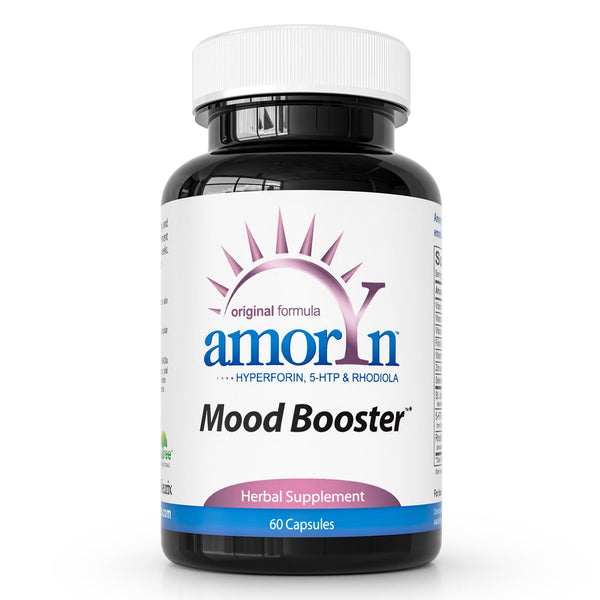
Stress is a physiological and psychological reaction to a demand or threat, real or imagined. The National Institute of Mental Health (NIMH) stress fact sheet describes it as the physical or mental response to an outside cause.⁵ It's built to protect you, at least in small doses.
When something stressful happens, the sympathetic nervous system starts the stress response. Adrenaline and cortisol rise, and the body reacts within seconds as the heart and breathing speed up. This immediate response is a natural reaction that helps you avoid danger, like jumping back from a car that runs a red light.
In the short term, stress can push you to meet a deadline, the NIMH notes. It becomes a problem when it keeps going without relief, so the body never gets back to a relaxed state.
The APA describes three types of stress, sorted mainly by how long and how often they show up:¹
Acute stress: The most common form, driven by pressure from recent events or ones coming up soon.
Episodic acute stress: Acute stress that keeps coming back, often in people who take on too much.
Chronic stress: Constant stress that lasts a long time and is considered the most harmful to health.
These stress types are a helpful way to sort what you feel rather than a medical diagnosis, and the same person can move between them.

Acute stress is short-term stress that comes with a looming deadline or a near-miss in traffic, and it usually fades once the moment passes. Most people experience acute stress often, sometimes several times in one day.
Common triggers include speaking in public, starting a new job, or getting called into the boss's office. Stressful events like these have a clear start and end, so the body can reset once they're over.
Stress symptoms come on fast and pass quickly. They can include irritability, sweating, headaches, an upset stomach, heart palpitations, or a quick wave of muscle tension.
Episodic acute stress keeps returning because the habits behind it stay in place, so life starts to feel like one crisis after another. People with episodic stress often feel overwhelmed, rushed, or on edge most of the week. Two patterns tend to keep the cycle going.
Saying yes to every project, favor, and event leaves too little time and energy for each one. A packed calendar at work on top of a busy home life can turn short spikes of pressure into an episodic acute pattern.
People who expect the worst in most stressful situations are more prone to this type. It has been linked to frequent headaches, migraines, and high blood pressure. Tracking how much stress you carry from day to day can show whether a pattern is forming.
Chronic stress is harmful because it doesn't let up for months or even years, so the body never gets time to recover. People who experience chronic stress often point to financial issues, abuse, a poor work environment, caring for a sick family member, or a troubled marriage.
The body can handle stress for short periods, but it isn't built for long-term stress. When stressors never stop, the alarm system stays switched on, and difficulty concentrating, poor sleep, and low mood can set in.
Chronic stress keeps the body flooded with stress hormones, which can affect the immune system and heart health. Over time, it's linked to health issues such as high blood pressure, cardiovascular disease, digestive issues, anxiety, and depression, so it takes a toll on both physical and mental health.
As you build habits that support your well-being, take a closer look at Amoryn for everyday mood support. Review its ingredients and possible medication interactions with your healthcare provider before use.
Review the Amoryn Formula
Other kinds of stress are sorted by whether stress helps or hurts, by whether it follows a traumatic event, and by where it comes from. The three-type model tracks how long stress lasts, and these different types add more detail.
Eustress is positive stress, the kind that comes with a promotion or training for a race. Hans Selye, an endocrinologist, coined the term, and distress is its opposite: negative stress that feels harmful or overwhelming. How you think about stress can shape which one you feel.
Some stress follows a traumatic event, such as a car accident, an assault, or a natural disaster. Most people recover with time and social support. Some develop post-traumatic stress disorder (PTSD), which brings flashbacks, nightmares, and emotional distress that last more than a month and need professional care.³
Stress can also be grouped by source. Physical stress comes from illness or short sleep, emotional stress from grief or conflict, and environmental stress from noise or crowding.

Different types of stress need help when they stop fading and start getting in the way of daily life. Watch for these signs that it's time to seek professional support from a doctor or mental health professional:
Stress that won't ease: Feeling tense or overwhelmed for weeks with no relief.
Sleep trouble: Lying awake or waking early most nights.
Unexplained physical symptoms: Ongoing headaches or stomach problems. Chest pain always needs urgent care.
Panic attacks: Sudden waves of intense fear with a pounding heart or shortness of breath.
Unhealthy coping: Leaning on alcohol, food, or other habits to get through the day.
Daily life slipping: Struggling to keep up with work, home, or relationships.
A doctor can also check for health conditions, such as thyroid problems, that can mimic stress. In the meantime, coping strategies like physical activity, regular sleep, and time with people you trust can reduce stress and support your mental well-being. The NIMH also suggests keeping a journal and cutting back on caffeine when you feel stressed, and these coping resources help you manage stress best before it piles up.⁴
If you're thinking about suicide or self-harm,call or text 988 to reach the 988 Suicide & Crisis Lifeline in the U.S.
Name the type of stress behind your feelings today, then pick one small step that fits it: a walk for acute stress, one canceled commitment for episodic stress, or a doctor's visit for chronic stress. Good stress management starts with knowing which kind you're dealing with.
For everyday mood support during stressful stretches, consider BioNeurix® Amoryn Mood Booster, made to support emotional health and a positive outlook alongside the habits above. Amoryn® contains St. John's Wort and 5-HTP (5-hydroxytryptophan), which can interact with many medications, including antidepressants and birth control, so check with a healthcare provider before starting.
Your overall well-being is worth that first small step today.
These statements have not been evaluated by the Food and Drug Administration. This product is not intended to diagnose, treat, cure, or prevent any disease.
You have a clearer picture of your stress patterns. If you are considering Amoryn for everyday mood support, review the product details and check with your healthcare provider before adding it to your routine.
View Amoryn Product DetailsChronic stress is considered the most harmful because it lasts long enough to wear on both the body and the mind.
Acute stress occurs in short bursts tied to a specific event, while chronic stress lasts for weeks, months, or years with no clear end.
Irritability, headaches, stomach pain, muscle tension, a racing heart, and trouble sleeping are common signs.
Short bursts of positive stress, called eustress, can feel motivating, like the push before a race or a big presentation.
Long-term stress can harm physical health by affecting immune function and heart health, and it's also linked to sleep problems.
American Psychological Association. (2012). Health disparities and stress [Fact sheet]. https://www.apa.org/topics/racism-bias-discrimination/health-disparities-stress.pdf American Psychological Association
American Psychological Association. (2025, November). Stress in America 2025: A crisis of connection. https://www.apa.org/pubs/reports/stress-in-america/2025 American Psychological Association
Jones, E., Vermaas, R. H., McCartney, H., Beech, C., Palmer, I., Hyams, K., & Wessely, S. (2003). Flashbacks and post-traumatic stress disorder: The genesis of a 20th-century diagnosis. The British Journal of Psychiatry, 182(2), 158–163. https://doi.org/10.1192/bjp.182.2.158 Cambridge University Press
National Institute of Mental Health. (n.d.). Caring for your mental health. U.S. Department of Health and Human Services, National Institutes of Health. https://www.nimh.nih.gov/health/topics/caring-for-your-mental-health National Institute of Mental Health
National Institute of Mental Health. (2020). I’m so stressed out! Fact sheet (NIH Publication No. 20-MH-8125). U.S. Department of Health and Human Services, National Institutes of Health. https://www.nimh.nih.gov/health/publications/so-stressed-out-fact-sheet National Institute of Mental Health