Your Cart is Empty


Your heart pounds, your chest tightens, and one thought takes over: how long will this last? So, how long do anxiety attacks last? The U.K.'s National Health Service (NHS) says most panic attacks last 5 to 20 minutes, with symptoms usually peaking within 10.¹
Calm is at the heart of BioNeurix®, and knowing what comes next can make a hard moment feel smaller. Save this timeline for when you need it, because an attack is easier to ride out when you know it will end.
Riding out overwhelming moments takes energy. Nourish your everyday emotional wellness with BioNeurix® Amoryn Mood Booster, formulated with St. John's Wort and 5-HTP to promote a balanced, positive outlook.
Explore Amoryn Mood Booster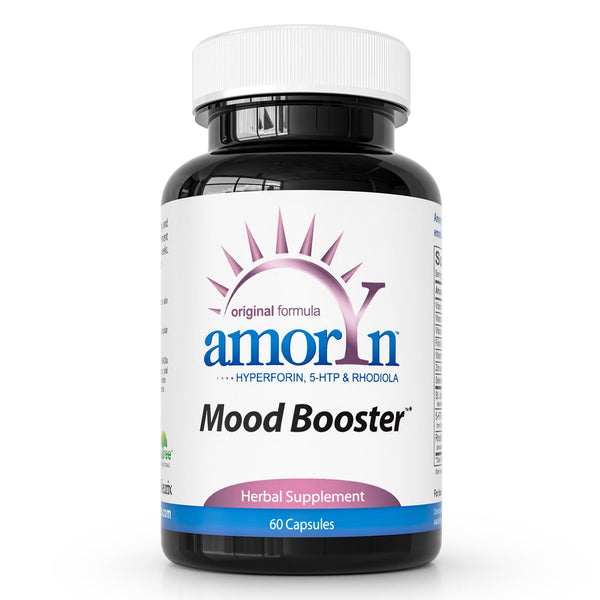
An anxiety attack is a common name for a sudden wave of intense fear or worry, and most people use it to mean a panic attack. Doctors draw a line between the two, and knowing which one you're having makes a significant difference in the timeline.
A panic attack is a sudden surge of intense fear that reaches peak intensity within minutes. Panic attack symptoms include a racing heart, shortness of breath, chest pain, dizziness, sweating, and trembling or shaking. Many people also feel an overwhelming sense of impending doom or a fear of losing control.
"Anxiety attack" isn't a formal diagnosis. People often use it for intense anxiety that builds more gradually around a stressor, such as work pressure or a looming deadline, and it can last longer than a panic attack. Anxiety attack symptoms often include muscle tension, restlessness, and unwanted thoughts that keep looping.

A typical panic attack rises fast, peaks within about 10 minutes, and fades within about 20 minutes, though everyone experiences anxiety differently. Here is roughly how one unfolds:
About 0 to 2 minutes, the surge: Physical symptoms hit fast. The heart speeds up, breathing quickens, and a sense of danger, fear, or dread sets in as the nervous system switches into alarm mode.
About 2 to 10 minutes, the peak: Panic symptoms reach the worst point, usually within 10 minutes.
About 10 to 20 minutes, the fade: The intensity eases, and most attacks end within this window.
Up to about an hour, the tail: Some attacks have been reported to last up to an hour, often as leftover physical sensations or a second wave.
Hours afterward, the aftermath: Many people feel tired, shaky, or worried about another attack, and some notice emotional symptoms like sadness or irritability.
Patterns vary from person to person, so treat these times as estimates rather than rules.
Most anxiety attacks end within 20 minutes, though some have been reported to last up to an hour. Longer episodes usually have another explanation.
Panic attacks typically last 5 to 20 minutes from start to finish, according to the NHS. That's the number to hold onto in the middle of one.
An episode that lasts an hour or more is often separate attacks running into each other. One wave fades, worry about the next one builds, and more panic attacks follow.
Anxiety can hum along all day, but a single panic attack doesn't stay at full strength for hours. That steady background anxiety can still feel like one long attack.
When symptoms last longer, the cause may be several attacks in a row or other anxiety symptoms that stay after the peak. Emotional overload and negative emotions can keep the body on edge long after the surge passes.
Stressful situations, not getting enough sleep, and caffeine can stack up and bring several waves in one day. Excessive worry on most days for six months or more can be a sign of generalized anxiety disorder (GAD), which is worth raising with a doctor.
When daily stress stacks up, consistent nutritional support can help you feel more balanced. Amoryn Mood Booster supports healthy serotonin activity to promote emotional well-being between stressful days.
Check Out Amoryn Mood BoosterWhat stretches across days is usually a series of panic attacks, or the dread of the next one, rather than one long attack. The difference matters, because each needs a different kind of help.
Some people describe panic lasting hours or even days. Most research on single attacks puts the usual upper end around 30 minutes, so a longer stretch usually means repeated attacks or ongoing anxiety.
Fear of another attack can linger for several weeks. Panic disorder involves unexpected panic attacks that keep coming, plus at least a month of worry about more attacks or changes in behavior to avoid them.
Panic attacks happen when the body's alarm system fires even though there's no real danger. Biology and everyday stress both play a part.
Biological factors and a family history of anxiety can raise the odds.² Women are about twice as likely as men to develop panic disorder, and hormonal shifts may be one reason. Panic attacks can also show up alongside other anxiety disorders, such as social phobia, specific phobias, and obsessive-compulsive disorder (OCD), as well as depression.
Panic attacks can occur in everyday situations too, such as in a crowded store, during a big meeting, or while public speaking. Caffeine, drug use, certain medications, and a medical condition such as an overactive thyroid can also cause panic-like physical symptoms, so a checkup can rule those out.
A panic attack will pass on its own, and a few grounding techniques can make the wait easier:
Name it: Tell yourself in a steady voice, "This is a panic attack, and it will pass."
Slow the exhale: Breathe in through the nose and out slowly through the mouth, making each exhale longer than the inhale.
Ground your senses: Name five things you can see, four you can touch, and three you can hear.
Stay where you are if it's safe: Sit down and let the wave pass rather than rushing away.
Practicing these while you're calm helps you develop coping skills you can reach for when panic hits.

A panic attack itself isn't life-threatening, but chest pain that could signal a heart attack or another serious illness is a medical emergency. Panic attacks and heart attacks share some symptoms, so certain signs call for urgent care instead of waiting it out.
Call 911 or seek medical attention right away for a first panic attack, chest pain that spreads to the arm, jaw, or back, fainting, or symptoms still building after 20 to 30 minutes. If something feels physically wrong in a new way, get medical help.
If you're experiencing panic attacks often, or they start to affect daily functioning, personal relationships, or your quality of life, seek professional help. Cognitive behavioral therapy (CBT), a type of talk therapy, is a first-line treatment that helps people identify and change the thought patterns behind attacks.
A doctor may add medication and lifestyle changes, such as regular exercise and less caffeine, to a treatment plan. Some anti-anxiety medicines can be habit-forming, so doctors usually prescribe them for short periods. In severe cases, people start avoiding places where attacks happened, which makes early help even more valuable.
If you're having thoughts of suicide or self-harm, call or text 988 to reach the 988 Suicide & Crisis Lifeline in the U.S. Panic attacks and depression often overlap, and your mental health deserves the same care as your physical health.
Most anxiety attacks peak within about 10 minutes and fade within 20, and knowing that can make the next one feel more manageable. Pick one step from the list above, practice it once today while you're calm, and save this timeline on your phone.
For everyday mood support between stressful days, consider BioNeurix® Amoryn Mood Booster, made to support emotional health and a positive outlook. It isn't a treatment for panic attacks or anxiety disorders, and its St. John's Wort and 5-HTP (5-hydroxytryptophan) can interact with many medications, including the antidepressants often prescribed for panic, so check with a healthcare provider before starting.
The next wave will pass, and now you'll know when.
These statements have not been evaluated by the Food and Drug Administration. This product is not intended to diagnose, treat, cure, or prevent any disease.
Pair your everyday grounding habits with targeted mood support. Discover how BioNeurix® Amoryn Mood Booster helps nurture ongoing emotional health and daily resilience between stressful days.
Get Amoryn Mood Booster TodayA single panic attack usually ends within 20 minutes, so hours of symptoms usually mean repeated attacks or lingering anxiety after the peak.
Common attack symptoms include a racing heart, chest tightness, shortness of breath, shaking, sweating, dizziness, and a sense of dread or losing control.
Panic attacks are frightening but not dangerous on their own, though new or unusual chest pain still needs urgent care.
Nighttime panic attacks can wake a person with the same symptoms as daytime attacks, including a pounding heart.
Slow your breathing with a long exhale, name five things you can see, and remind yourself that the attack will pass within minutes.
National Health Service. (n.d.). Panic disorder. https://www.nhs.uk/mental-health/conditions/panic-disorder/ nhs.uk
van Sprang, E. D., Maciejewski, D. F., Milaneschi, Y., Elzinga, B. M., Beekman, A. T. F., Hartman, C. A., van Hemert, A. M., & Penninx, B. W. J. H. (2022). Familial risk for depressive and anxiety disorders: Associations with genetic, clinical, and psychosocial vulnerabilities. Psychological Medicine, 52(4), 696–706. https://doi.org/10.1017/S0033291720002299 DOI