Your Cart is Empty


Do you wake up already tense before the day even begins? A sudden wave of dread hits before your feet touch the floor. The worry loops right away through emails, the to-do list, and a replay of past events. If this sounds familiar, knowing how to break the cycle of morning anxiety requires understanding what causes it.
Morning anxiety is very common. It often links to a natural morning rise in stress hormones mixed with habits like poor sleep, drinking caffeine on an empty stomach, and grabbing a phone immediately. The good news is you can regain control. The anxiety cycle usually stops when you reshape the first hour of your day. Occasional rough mornings happen, but a daily cycle of morning anxiety needs a different approach to help you find relief.
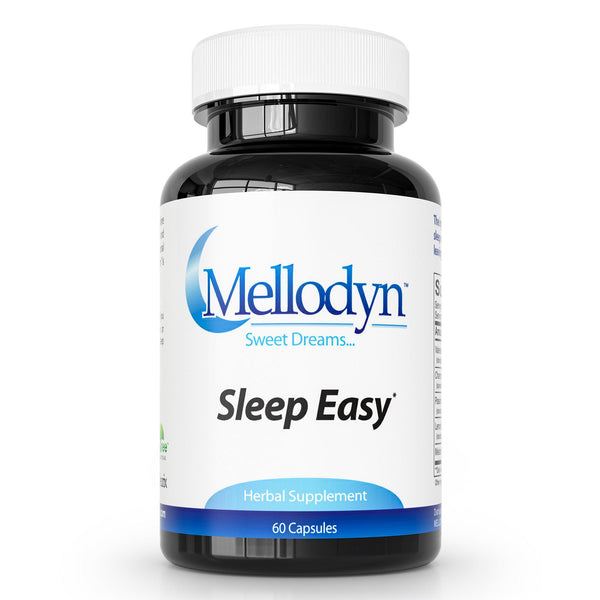
Restful sleep is the foundation of a calm morning. Support your body's natural rhythms so you can wake up feeling refreshed and ready to take on the day.
There is rarely just one reason you feel anxious thoughts early in the day. Morning is when several physical and psychological factors align to trigger strong stress responses.
The morning cortisol rise plays a significant role in waking anxiety. Your body releases a main stress hormone that naturally peaks soon after waking. This is known as the cortisol awakening response.
Recent endocrinology research explains that this rapid surge is biologically designed to mobilize your resources for the day's demands and process prior emotional stress.³ However, when you are already dealing with an activated nervous system, this sudden biological spike can feel overwhelming and mimic the physical symptoms of anxiety.
Short or broken sleep leaves you significantly more reactive and on edge the next day. Poor sleep quality directly feeds the morning anxiety cycle. Missing out on restorative sleep compromises emotional regulation, making it much harder to manage daily stress from the moment you wake up.
For some people, an overnight fast combined with a skipped breakfast causes a blood sugar dip that feels exactly like overwhelming anxiety. Eating a protein-rich breakfast early often helps balance steady energy. Low blood sugar does not cause all morning anxiety, but it plays a big role for many.
Drinking coffee too early or in large amounts amplifies jittery feelings. You might need to limit caffeine if you notice a racing heart or a tight chest.
Other common contributors:
Checking your phone instantly loads news and messages into your brain before you are fully awake.
Anticipatory anxiety previews the day's demands the second you open your eyes.
An underlying anxiety condition or past trauma can make the early hours much harder. The National Health Service (NHS) points out that morning anxiety is often tied to generalized anxiety disorder,² though you should seek professional medical advice for a true diagnosis.

The cycle of morning anxiety follows a predictable loop. You wake up with a tight chest and immediately grab your phone. You skip a balanced breakfast and rush out the door. The stress hormone cortisol and your daily worry climb higher. Soon, you start dreading the start of the next day. That anticipatory dread causes sleep disruption. You struggle to fall asleep, and that lack of rest makes the next morning even rougher.
Recognizing this specific morning anxiety cycle is the first step to stopping it. The coping skills listed below interrupt this loop at specific points. You do not have to just relax to stop the fight-or-flight response. You just need to change the routine.
You figure out how to break the cycle of morning anxiety by changing the first hour of the day, not by forcing yourself to feel completely calm. Pick two or three self-help strategies from this list to reduce morning anxiety. Do not try all of them at once.
Keep a consistent wake time every day to steady your body clock.
Delay checking your phone for 20 to 30 minutes so stressful thoughts do not load before you are fully alert.
Get natural light early by opening the curtains or stepping outside for a few minutes.
Eat complex carbs and protein rather than running on an empty stomach.
Delay or limit caffeine intake, and always pair it with food.
Do a short grounding practice like slow 4-count breathing to stay in the present moment.
Try gentle movement, such as a short walk or light stretching, to release tension.
Write down racing thoughts as a quick worry dump and set a later time to deal with them.
Plan outfits and meals the night before so the morning holds fewer decisions.
Drink a glass of water right after waking up to rehydrate your system.
Having a calming morning routine gives you concrete steps to follow instead of letting a rough morning take over. Try these simple steps to build a more peaceful start to your day:
Hydrate and seek light (2 minutes): Start by drinking water and looking at daylight to signal to your brain that it is time to wake up.
Breathe and ground yourself (4 minutes): Spend four minutes doing slow breathing or a simple grounding exercise.
Eat something nourishing: Grab a quick protein bite to stabilize your blood sugar.
Move your body: Follow that up with a short walk or gentle stretching to calm an activated nervous system.
Delay digital input: Check your phone only after completing these steps.
You can adapt this routine to fit your exact needs. Consistency matters much more than doing every single step perfectly.
A peaceful morning starts the night before. Enhance your wind-down routine with ingredients specifically designed for deep, restorative sleep.
Long-term habits make a huge difference when you want to reduce anxiety over several weeks.
Maintain a steady sleep schedule with a relaxing wind-down period.
Spend less time looking at screens late at night to avoid triggering racing thoughts.
Eat regular meals to keep your mood and energy stable.
Pay close attention to how limiting alcohol changes your sleep.
Add behavioral activation to your days by doing enjoyable hobbies.
Use an evening routine to plan the next day and write down lingering stress.
A consistent routine supports better mental health, and any supplements you use are just one small part of that plan.

Occasional nerves differ greatly from chronic stress that disrupts your life. You might need professional support if the anxiety happens most days and keeps getting worse.
Watch out for warning signs, such as avoiding work.
Take note if you experience panic attacks or extreme physical symptoms.
Reach out if the anxiety disrupts relationships.
Seek help if the symptoms started after a recent medication change.
A primary care doctor, a therapist, or a psychiatrist can evaluate how morning anxiety feels for you. If you feel unsafe or have thoughts of self-harm, call or text 988 in the US. Contact local emergency services if you are in immediate danger.
Yes, therapy offers excellent tools for managing daily stress. Cognitive behavioral therapy is widely used to treat generalized anxiety. A therapist helps you spot the things that trigger morning anxiety and change the thoughts that fuel low mood and dread. The Anxiety Disorders Association of America (ADAA)¹ notes that seeking professional support builds stronger coping skills over time.
Morning anxiety is a common struggle driven by the natural cortisol rise overlapping with stressful daily habits. Learning how to break the cycle of morning anxiety requires taking deliberate steps to reshape the first hour of your day. You do not have to overhaul your entire schedule to find relief.
Start with one small change tomorrow morning to build a calmer routine. Choosing to delay your screen time or eat a balanced breakfast helps prevent an immediate stress response. BioNeurix supports your journey to better mental well-being because understanding your body is the best way to regain control. Pick a single coping skill to try tomorrow, and take the first step toward waking up with a clearer mind.
Stop letting morning dread dictate your day. Build a healthier nighttime routine and wake up with a clearer, calmer mind.
The natural morning cortisol rise often overlaps with poor sleep, an empty stomach, and early phone use.
Slow breathing, daylight, water, and a few minutes off your phone can lower the first wave.
Body-clock timing and the cortisol rise can line up, and a doctor can help if it persists.
An overnight dip can cause anxiety for some people, and eating protein early may help.
It can be part of one, but morning anxiety alone is not enough to diagnose it.
Anxiety and Depression Association of America. (2026, June 10). Finding help is the key to taking charge and moving forward. https://adaa.org/find-help
National Health Service. (2024, October 22). Generalised anxiety disorder (GAD). https://www.nhs.uk/mental-health/conditions/generalised-anxiety-disorder-gad/
Stalder, T., Oster, H., Abelson, J. L., Huthsteiner, K., Klucken, T., & Clow, A. (2025). The Cortisol Awakening Response: Regulation and Functional Significance. Endocrine reviews, 46(1), 43–59. https://doi.org/10.1210/endrev/bnae024