Your Cart is Empty


The meeting is tomorrow, the flight is next week, or the medical appointment is days away, yet the mind has already played through every possible problem. You might wonder, what is anticipatory anxiety?
Anticipatory anxiety is worry, dread, or excessive fear about a future event that has not happened yet. This distress can feel incredibly urgent, even when the situation remains only a possibility. It drains mental energy and leaves a person exhausted before the event even begins. We will explore why perceived threats take hold, how the body reacts, and gentle ways to cope with this heavy burden.
Seredyn Complete Calm is designed to support calm and relaxation when future-focused thoughts make it difficult to stay grounded in the present.
Explore Seredyn Complete Calm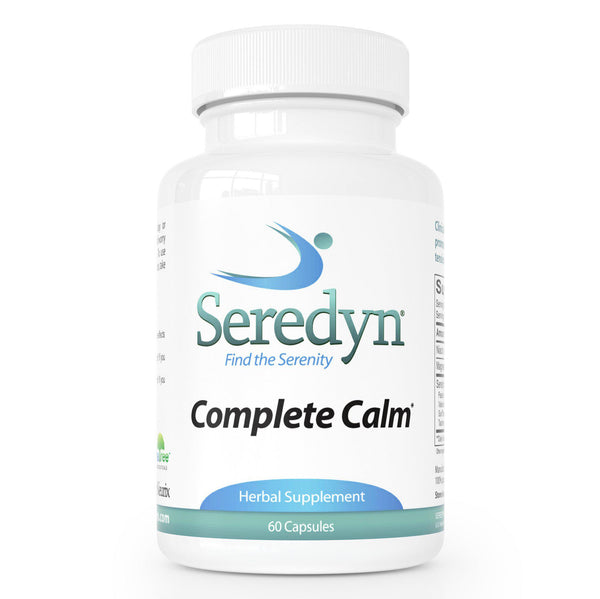
Anticipatory anxiety is future-focused worry or dread tied to an expected or imagined outcome rather than an actual danger. The event causing this fear may be hours, days, or even weeks away, or it might just be a distant possibility. People often experience anticipatory anxiety alongside panic disorder, social anxiety disorder, phobias, obsessive-compulsive disorder, and generalized anxiety disorder.¹ It also occurs on its own and does not constitute a separate diagnosis. Learning the early signs helps a person regain control and protect overall well-being.
These underlying conditions shape how a person reacts to the unknown. Understanding the difference between normal nerves and a clinical issue is the first step toward finding relief.
Normal pre-event nerves connect to a specific event, feel manageable, and ease once the situation begins. Anticipatory anxiety begins long before the event, loops through repeated anxious thoughts, disrupts sleep, and pushes a person toward phobic avoidance. Focus drifts away from the present moment as negative outcomes dominate the mind. Medical experts avoid drawing a hard line based on just one symptom, but the intensity and duration of the worry set the two apart.

The symptoms of anticipatory anxiety affect thoughts, the body, and behavior long before any bad happening occurs. This distress can build to a debilitating level if left unchecked. A person might notice changes in three main areas: thoughts, behavior, and physical changes.
A person might imagine the worst-case scenarios, rehearse conversations endlessly, or doubt the ability to cope. The mind jumps from uncertainty to the most upsetting result, which mental health experts call catastrophic thinking. It becomes highly difficult to focus on daily life.
Canceling plans, procrastinating, and checking details repeatedly are common reactions. Someone might seek reassurance from a friend or family member or avoid unfamiliar situations entirely. These actions feel helpful because they briefly ease the dread, but they ultimately feed the anxiety cycle over time.
Physical changes often accompany these mental shifts, causing the body to react to imaginary threats. Identifying these bodily cues, such as a racing heart, shallow breathing, or tense muscles, can help stop an anxiety spiral before it peaks.
Anticipatory anxiety can show up in the body well before the future event actually arrives. Possible physical symptoms include muscle tension, restlessness, an increased heart rate, faster breathing, sweating, shakiness, nausea, headaches, and sleep disturbances. The nervous system reacts as if the danger is already present. Always remember that a doctor should evaluate new, severe, or unexplained physical changes, as you should not assume every symptom is just anxiety.
The future has missing details, and an anxious brain fills those gaps with threatening possibilities. When a person already feels uneasy, attention tends to focus on problems rather than on neutral or positive outcomes. Imagined potential future occurrences can still trigger a real stress response in the body. A past difficult experience, like a rough flight or a failed big presentation, heavily shapes what to expect next time.
This overactive imagination makes uncertainty feel like a guaranteed disaster. Over time, specific worries build a third layer of fear, where someone becomes anxious about feeling anxious. This third layer creates a loop of constant vigilance that exhausts the mind and body.
Breaking down this cycle reveals exactly why anticipation feels so overwhelming. Recognizing the stages of this loop allows a person to intervene before the panic peaks.
The anxiety cycle operates as a rapid, numbered loop that drains energy.
A future event or possibility comes to mind.
The mind predicts something uncomfortable or dangerous.
The body tenses or goes on high alert.
The anxious feeling makes the negative prediction seem more believable.
You avoid the situation, check details, overprepare, or seek reassurance.
The brief relief makes the same nervous response more likely next time.
This loop can move so fast that all a person notices is a strong desire not to go.
In most cases, avoiding a feared event makes the overall fear much worse. Canceling plans brings quick relief, but it also means a person never learns if they could have handled the situation, leaving the fear intact. Repeated reassurance-seeking and overplanning work the same way. They soothe the panic for a moment, and then a new doubt quickly appears. Try to be patient, as breaking this pattern takes practice and time.
Job interviews, travel, appointments, and difficult conversations can activate worry long before they begin. Add Seredyn Complete Calm to a routine that includes grounding, practical preparation, and healthy stress-management habits.
See the Complete FormulaTriggers for this condition vary widely and do not have to involve objectively dangerous situations. Common triggers include social situations, work events, parties, dates, a job interview, hard conversations, and starting a new job. Travel, medical appointments, and fears of natural disasters frequently cause distress. Waiting for test results allows uncertainty to feed negative thoughts. Positive events like weddings or receiving an award can trigger these feelings too. Feeling nervous about a good thing does not mean a person does not want it to happen.

Nighttime removes the distractions of daily life, allowing tomorrow's meeting, an upcoming trip, or health-specific worries to move to the front of the mind. Watching the clock and calculating how much sleep remains adds immense pressure. This makes the brain more alert and feeds the cycle of severe anxiety. A steady wind-down routine helps calm the mind. Establish a consistent bedtime, reduce stimulating input before bed, and write down tomorrow's tasks so they stop looping in the head. Do not assume every sleep problem stems directly from stress.
The main goal is to step back from the negative prediction, not to force instant calm. Using simple grounding tools can help reduce the physical and mental toll. Try these practical steps when fear takes over:
Name the "what if" thought: Notice when the mind says "this will go badly" or "failure to cope," and label it as a prediction rather than a fact.
Ground in the present: Notice feet on the floor, name sounds in the room, describe a visible object, and feel the room's temperature.
Separate facts from predictions: Use the table below to distinguish what is real from what is imagined.
Prepare without overpreparing: Ask if a step is actually useful or just a way to feel certain. Packing once is preparation, but repacking six times is an anxiety-driven habit.
Journal briefly: Write down the exact fear, name the uncertainty, and pick one practical next step.
Use self-compassion: Ask what advice to give a loved one who felt this way. You do not have to pretend the danger feels meaningless.
Support the basics: Maintain regular meals, movement, and time outdoors during stressful stretches to support overall health.
The table does not promise a perfect outcome; it simply separates known facts from imagined disasters.
Occasional pre-event nerves differ greatly from anxiety disorders that shrink a person's life. Pay closer attention when the worry frequently disrupts sleep, leads to repeated cancellations, interferes with work, causes intense distress, or brings frequent panic attacks. If difficulty concentrating takes up much of the day, it is time to seek professional support. You can speak to a primary care clinician, a clinical psychologist, or a psychiatrist to discuss treatment and rule out depression. If you ever feel unsafe, call or text 988 in the US. For an immediate emergency, call local emergency services right away.
Finding the right support system makes a significant difference in long-term recovery. Working alongside an expert provides targeted strategies to handle intense emotions.
Cognitive behavioral therapy² is a nationally recognized treatment for anxiety that helps patients notice thought patterns, reduce avoidance, and build tolerance for uncertainty. A mental health professional might introduce gradual exposure when deemed appropriate. Finding professional help gives a person tools to manage the dread. Therapy requires consistent effort, but it greatly improves how a person handles potential outcomes.
To answer what is anticipatory anxiety, it is a future-focused fear that makes a possible event feel urgently dangerous right now. Noticing negative predictions, separating known facts from imagination, and actively watching for avoidance make this stressful cycle much easier to spot and manage. Small, consistent steps toward mindfulness can help you face tomorrow with confidence.
Anticipatory anxiety becomes easier to manage when you combine present-moment coping tools with consistent daily support. Explore Seredyn Complete Calm as part of a balanced routine for relaxation and emotional well-being.
Shop Seredyn Complete CalmUpcoming events with uncertain outcomes, such as a job interview or travel, trigger anticipatory anxiety by prompting the brain to imagine worst-case scenarios that activate the body's stress response early.
This distress can last anywhere from a few minutes to even weeks leading up to a specific event, but the anxious thoughts and physical symptoms typically subside once the feared situation actually begins or passes.
While overthinking is mostly mental rumination, anticipatory anxiety involves intense fear and physical symptoms, like an increased heart rate, because it actively prepares the nervous system to fight or flee from a threat that does not yet exist.
Yes, anticipating negative outcomes can cause very real physical symptoms, such as muscle tension, sweating, and severe sleep disturbances, because the nervous system reacts to perceived threats as if the danger is already unfolding in real time.
You can effectively manage this fear by naming the negative prediction, returning your focus to the present moment, taking one practical step of preparation, and seeking help from a clinical psychologist if the worry repeatedly disrupts your daily life.
Boehme, S., Ritter, V., Tefikow, S., Stangier, U., Strauss, B., Miltner, W. H., & Straube, T. (2014). Brain activation during anticipatory anxiety in social anxiety disorder. Social cognitive and affective neuroscience, 9(9), 1413–1418. https://doi.org/10.1093/scan/nst129
Stallard P. (2022). Evidence-based practice in cognitive-behavioural therapy. Archives of disease in childhood, 107(2), 109–113. https://doi.org/10.1136/archdischild-2020-321249