Your Cart is Empty


Emotional Health & Mental Wellness

Finding the best melatonin depends entirely on understanding proper dosage and delivery methods. Matching the right supplement format to your specific lifestyle needs makes falling asleep much easier.

Facing a heart beating fast at night, can't-sleep scenario is incredibly frustrating. Discover the underlying causes and simple ways to calm the body for better rest.

Waking up still tired after 8 hours of sleep points to a hidden disruption in your rest cycle. Identifying these underlying issues helps you finally wake up feeling refreshed.

Racing thoughts drain focus, sleep quality, and emotional health long after the day ends. Mindfulness meditation for overthinking offers a simple, research-backed path to quiet a busy mind and return to the present moment.

Tossing and turning past midnight wears down focus, mood, and long-term health. Knowing how to sleep early can turn restless nights into steady, restorative rest with a few small changes.

Sudden midnight chatter can disrupt your normal sleep stages and leave both you and your partner exhausted the next day. Fortunately, learning how to stop sleep talking is often as simple as adopting calming bedtime habits that help quiet an overactive mind.
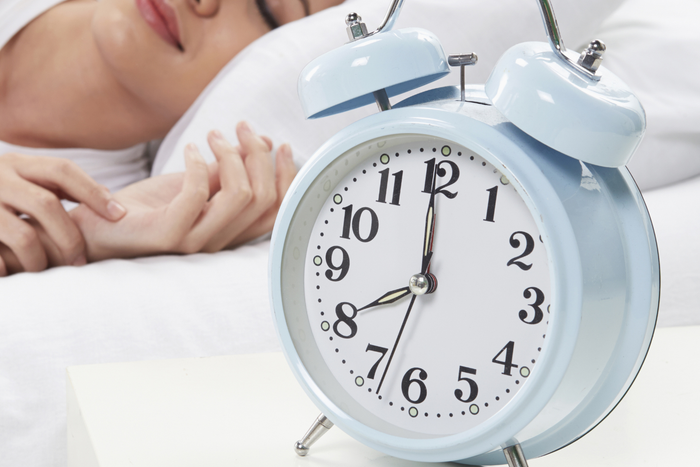
Lying awake with a racing heart and an overactive mind is an incredibly frustrating way to end your day. If you want to finally shut down that nervous energy and get some rest, you need to learn exactly how to fall asleep in 10 seconds using proven physical relaxation techniques.

Tossing and turning because you cannot catch your breath is incredibly frustrating when you just want a good night's rest. If you want to wake up feeling energized tomorrow, you need to learn exactly how to sleep with a stuffy nose using fast, natural remedies.

Waking up with a stiff face and pounding headaches from nighttime clenching is an awful way to start your morning. If you want to protect your smile and relieve stubborn jaw tension, you need to learn exactly how to stop grinding teeth in sleep naturally using soothing botanical herbs.

Waking up feeling groggy even after spending a full eight hours in bed can easily ruin your daily energy and focus. If you want to wake up feeling completely refreshed, you must learn exactly how to get more REM sleep by upgrading your nighttime routine.

Waking up from deep rest to a damp pillow can disrupt your morning and, over time, irritate the skin on your face. To break the cycle, it helps to learn how to stop drooling in your sleep by making a few simple nighttime adjustments.

The best magnesium supplements for sleep are not the cheapest bottles on the shelf, but the forms the body can actually absorb. Here is how glycinate, threonate, and taurate stack up, plus what to reach for when magnesium alone falls short.