Your Cart is Empty


A ticking clock feels unbearably loud, traffic makes you furious, and a simple question triggers a sharp response. When everyday situations make you feel overwhelmed and angry, you might ask yourself, "Why am I so irritable all the time?"
Irritability rarely stems from a single event. Chronic stress, sleep deprivation, a drop in blood sugar, or underlying mental health concerns often drain patience long before a minor annoyance occurs. The mental load of daily life stacks up until the smallest pressure forces a reaction.
Understanding the difference between an occasional bad mood and chronic irritability is the first step toward finding relief. Identifying the root causes helps you regain control and restore emotional balance.
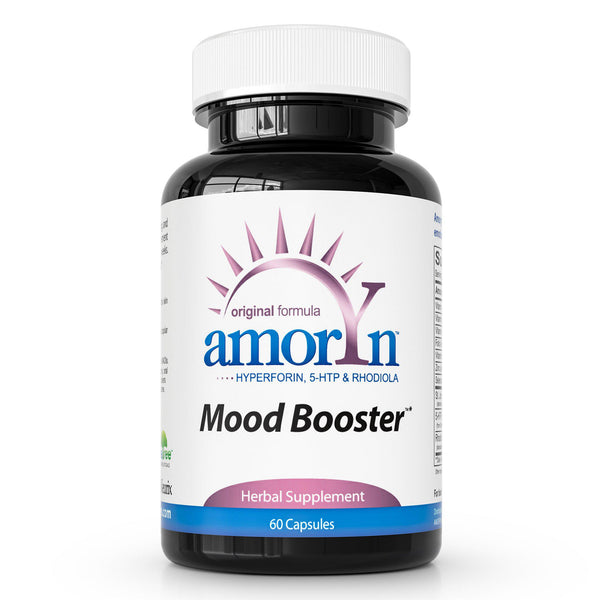
Constantly feeling on edge? Amoryn Mood Booster is formulated with targeted nutrients to help restore a calm mind and improve your resilience against everyday stress.
Feeling irritable all the time means having significantly less patience and tolerance for frustration than usual. It is a state where minor inconveniences feel overwhelmingly difficult to manage. You might snap before thinking, feel easily bothered by noise, or find small delays unbearable.
Often, a person experiencing irritability just wants to be left alone to avoid further stress. It is crucial to know that frequent frustration does not automatically make someone an angry person. Healthdirect notes that feeling annoyed is a common emotion, though it can become a sign of a mental health condition if it disrupts daily life constantly.
Understanding this natural emotion helps clarify how it differs from other feelings. Many people confuse annoyance with pure rage, but the two emotional states have distinct characteristics.
These two emotional states have distinct characteristics. Irritability involves a shorter fuse and lower tolerance for stress, while anger is a much stronger, more aggressive reaction. You can feel highly irritated and have a racing heart without yelling, arguing, or acting out.

When frustration hits out of nowhere, there is almost always a hidden underlying cause. The immediate annoyance is simply the final trigger spilling over an already-full cup. A slow computer becomes the last straw after poor sleep, a rushed morning, skipped meals, and a stressful period at work. Several minor pressures overlap throughout the day, creating severe irritability that seems sudden. Identifying this buildup is essential for managing irritability effectively.
Rather than stemming from a single source, chronic irritability is usually the result of overlapping physical and emotional factors. Hormonal shifts, lifestyle habits, and hidden health issues are the most frequent culprits. Recognizing these common drivers makes a big difference in finding the right coping strategies.
A lack of enough restful sleep is one of the most frequent drivers of a short temper.² Sleep deprivation shortens the emotional fuse, making it harder to cope with daily life. This lack of rest makes it harder to wind down and fall asleep later, creating a cycle of exhaustion. MedlinePlus confirms that poor-quality sleep directly affects mood regulation.
Another physical factor that heavily influences emotional resilience is nutrition. The timing and quality of meals significantly affect how the nervous system responds to stress.
Going long periods without eating leaves a person tired, shaky, and highly sensitive to annoyances. Drops in blood sugar create a volatile mood³ that makes patience nearly impossible. While low blood sugar plays a role, not everyone who feels annoyed is experiencing a clinical medical emergency.
Beyond physical needs, psychological factors heavily influence patience and tolerance. Ongoing emotional struggles often mask themselves as a constantly short fuse.
Both anxiety and depression frequently manifest as a quick temper rather than obvious fear or sadness. Research suggests that a mood disorder often looks like constant frustration on the surface.¹ While experiencing a short fuse alone does not diagnose a mental health condition, it can happen alongside deep emotional distress.
Other common causes of irritability include a variety of daily pressures. Everyday stress from work, money, and family demands constantly wears down patience. Consuming certain substances, such as excessive caffeine, can cause restlessness, tension, and disrupted sleep. Hormonal changes during a menstrual cycle, pregnancy, premenstrual syndrome, or menopause often shift emotional balance. Physical pain, chronic pain, or a change in medication can strain the nervous system, requiring a discussion with a pharmacist. Constant mental overload from digital notifications and task-switching leaves no room for proper self-care.
Don't let a short fuse dictate your day. Give your nervous system the nutritional support it needs to stay balanced when daily pressures begin to stack up.
To find the root causes of frustration, look at the hours leading up to the breaking point instead of just the final event. Assessing physical and emotional needs helps pinpoint the actual underlying condition causing the reaction. Ask specific questions about recent habits to track triggers:
Sleep: How rested do you feel today?
Meals: Have you eaten regular meals to maintain energy?
Caffeine: Did you consume more caffeine than normal?
Stress: What specific stressors are weighing heavily on the mind?
Environment: Are the surroundings rushed, loud, or overloaded with demands?
Patterns: When does this feeling of annoyance show up most often?
For example, a dirty dish might start an argument, but the real issue was a lack of good-quality sleep, three stressful calls, and no lunch. This self-awareness practice helps identify early signs of stress rather than serving as a medical diagnosis.
Pausing during a stressful spike helps lower the nervous system response and prevents an outburst. Using quick coping mechanisms allows the brain to shift away from immediate frustration:
Acknowledge the emotion: Name the feeling silently and decide not to react instantly.
Pause and breathe: Take a few deep breaths to create a physical and mental pause.
Step away: Briefly step to another room or take a short walk.
Assess your body: Check basic physical needs to see if hunger or exhaustion is a factor.
Limit distractions: Mute digital notifications and focus on completing just one task.
Reframe your thoughts: Recognize that a delay feels worse because of existing stress.
Remember that taking a short break should never become a permanent way to dodge difficult conversations.
Building a consistent routine supports long-term rest, calm, and overall well-being. Simple lifestyle changes strengthen emotional resilience against everyday situations. Maintain a steady routine to ensure enough sleep each night. Eat regular, balanced meals to avoid sudden energy crashes. Watch caffeine intake and avoid it late in the day. Engage in enjoyable movement to release built-up physical tension. Dedicate real downtime for true relaxation instead of mindlessly scrolling.
Set smaller, manageable goals on particularly difficult days. Talk about mental health concerns before the pressure leads to snapping. Practicing self-compassion and following techniques for balance makes a significant impact on daily life.

An occasional bad mood is entirely different from a lasting, severe personality change. It is time to seek professional help when:
Frustration is frequent: Extreme frustration happens most days or begins to damage important relationships.
Other changes occur: A short fuse is accompanied by significant sleep changes or begins after starting a new medication.
Daily life is impacted: You feel constantly on edge or unable to function normally (Healthdirect advises talking with a doctor in these instances).
Specific conditions are present: Conditions like disruptive mood dysregulation disorder or premenstrual dysphoric disorder require a proper treatment plan.
You feel unsafe: If thoughts of self-harm occur, contact a crisis lifeline immediately.
Seeking medical advice is a strong first step, but psychological support offers additional tools for healing. Working with a specialist provides targeted strategies for long-term emotional regulation.
A trained therapist helps identify hidden triggers, negative thought patterns, and communication barriers that contribute to stress. Working with a specialist provides targeted strategies for long-term emotional regulation. While counseling does not eliminate annoyance, it helps develop effective strategies for processing secondary emotions safely.
The final annoyance is rarely the whole story when everyday pressures stack up. Ignoring chronic frustration not only harms personal relationships but can also take a heavy toll on your daily energy and overall well-being. Leaving your mind and body constantly on edge adds unnecessary stress to every part of your life.
By paying attention to your physical and emotional needs, you can prevent burnout and keep your days running much more smoothly. Explore BioNeurix to learn more about building steady habits and finding targeted nutritional support designed to help you rest, stay calm, and maintain a healthier emotional balance.
Break the cycle of constant irritability. Add Amoryn Mood Booster to your daily routine and find the calm patience you need for a smoother, happier day.
Hidden factors like a lack of good-quality sleep, hidden anxiety, or fluctuating blood sugar levels often cause frustration that seems to appear out of nowhere.
A highly sensitized nervous system from chronic stress makes it much harder to maintain emotional balance during minor everyday inconveniences.
Yes, an ongoing short temper is a very common symptom of an underlying mood disorder or anxiety issue.
Failing to get enough restful sleep severely impairs mood regulation and makes the brain highly reactive to negative stimuli.
Practicing deep breathing, securing enough sleep, and identifying specific stress triggers helps restore patience and emotional resilience.
Aslan, I. H., Dorey, L., Grant, J. E., & Chamberlain, S. R. (2024). Emotion regulation across psychiatric disorders. CNS spectrums, 29(3), 215–220. https://doi.org/10.1017/S1092852924000270
Hyndych, A., El-Abassi, R., & Mader, E. C., Jr (2025). The Role of Sleep and the Effects of Sleep Loss on Cognitive, Affective, and Behavioral Processes. Cureus, 17(5), e84232. https://doi.org/10.7759/cureus.84232
Schöpf, V., Fischmeister, F. P., Windischberger, C., Gerstl, F., Wolzt, M., Karlsson, K. Æ., & Moser, E. (2013). Effects of individual glucose levels on the neuronal correlates of emotions. Frontiers in human neuroscience, 7, 212. https://doi.org/10.3389/fnhum.2013.00212