Your Cart is Empty


"Happy pills" is slang for medications that affect mood. Most often it means antidepressants, such as sertraline (Zoloft) or fluoxetine (Prozac). It is not a medical term. Antidepressants don't create happiness. They ease symptoms of depression and anxiety over several weeks.
The phrase covers a lot of ground, most of it medical. Some people use it for antidepressants. Others stretch it to cover any pill that touches mood, including ones a doctor would never prescribe for that reason. What follows clarifies where the slang came from, which prescription drugs it overlaps with, the side effects worth knowing about, and the natural mood-support options people often explore first.
One of those natural choices is Amoryn Mood Booster. It blends standardized herbal extracts and vitamins that support the brain's natural feel-good pathways. It belongs in the lifestyle column, not the prescription column, and is no replacement for medication prescribed by a doctor. Amoryn contains St. John's Wort and 5-HTP, so don't take it with an antidepressant unless your doctor approves.
Amoryn Mood Booster is made with standardized herbal extracts and vitamins to support your daily wellness routine without replacing medical care.
Contains St. John's Wort and 5-HTP. Do not take with antidepressants unless your doctor approves.
Explore Amoryn Mood Booster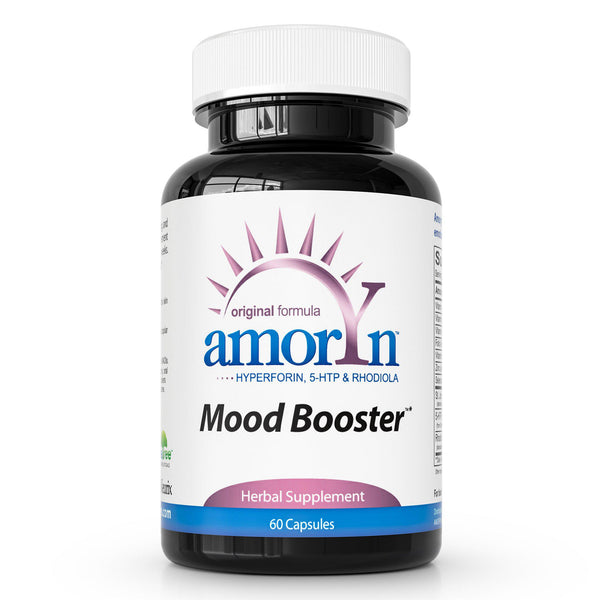
"Happy pills" is slang, not a medical category. The phrase usually points to prescription antidepressants used to treat depression and other mental health conditions, but casual use stretches further. Pinning down what someone actually means saves real confusion when the conversation turns serious.
No doctor writes "happy pill" on a prescription pad. The phrase grew up in pop culture, repeated in song lyrics, sitcom plots, and casual chats around the kitchen table. People reached for it because "antidepressant medication" feels heavy. Three syllables and a smile feel easier to say out loud.
In the 1950s, the press used "happy pills" for new tranquilizers like Miltown. The name later stuck to Valium, then to Prozac and other SSRIs after the late 1980s. Today it usually means antidepressants.
When someone says happy pills, they usually mean antidepressants. SSRIs (Selective Serotonin Reuptake Inhibitors) and SNRIs (Serotonin-Norepinephrine Reuptake Inhibitors) lead the list. These prescription drugs treat depression and several other mental health conditions. Fluoxetine, for example, is used to treat depression, panic disorder, and obsessive-compulsive disorder.¹ The nickname promises quick joy. The medications themselves work slowly.
Loose use sweeps in anti-anxiety medications, mood stabilizers for bipolar disorder, and even over-the-counter supplements. A teenager and a pharmacist would not use the phrase the same way. That gap is part of why a proper diagnosis from a healthcare provider matters before anyone grabs a bottle off a shelf or accepts a script.

People usually mean prescription antidepressants when they say happy pills. Several other drug classes get pulled into the same bucket, even though each one works on the brain differently. Sorting them helps you read a label, a side effect sheet, or a doctor's recommendation without getting lost.
The medications most commonly called happy pills fall into a few distinct prescription categories:
SSRIs (Selective Serotonin Reuptake Inhibitors)² such as fluoxetine, sertraline, and escitalopram
SNRIs (Serotonin-Norepinephrine Reuptake Inhibitors) such as venlafaxine and duloxetine
Atypical antidepressants such as bupropion and mirtazapine
Tricyclic antidepressants, an older class still used in specific cases
MAOIs (Monoamine Oxidase Inhibitors), used less often because of strict food rules
Anti-anxiety medications such as benzodiazepines, sometimes grouped under the term in casual talk
Note:These medications are prescription-only and require evaluation by a licensed medical provider.
Happy pills adjust the brain chemistry tied to mood, focus, and emotional regulation. Most of them work on the chemical messengers that nerve cells use to talk. Small, steady shifts in those signals reduce symptoms over weeks, not minutes.
SSRIs slow the reabsorption of serotonin, leaving more of it floating between nerve cells. Scientists still debate exactly why this helps. The old idea that depression is simply "low serotonin" hasn't held up. But SSRIs work well for many people and are usually the first choice for depression.
SNRIs lift both serotonin and norepinephrine, which often nudges energy level up alongside mood. Bupropion and other atypical antidepressants act on dopamine and norepinephrine instead. Two people with the same diagnosis sometimes need very different prescriptions because the brain is not one-size-fits-all, and the medications are not either.
Antidepressants work slowly. Most people notice some change in 2 to 4 weeks. The full effect often takes 6 to 8 weeks. Doctors usually start with a low dose and adjust it over time. A standard course continues for at least six months after symptoms ease, which lowers the odds of falling back into the same pit.
Happy pills can cause side effects that range from mild stomach trouble to changes in sleep, weight, and sex drive. A chunk of these fade in the first few weeks as the body adjusts. Others stick around long enough to change whether someone keeps taking a specific medication.
Side effects vary by medication and individual, but the most commonly reported include:
Nausea, dry mouth, and digestive changes
Weight changes, either gain or loss
Sleep disruption or daytime drowsiness
Reduced libido or other sexual side effects
Emotional blunting, often described as feeling "flat"
Headaches in the early weeks
Withdrawal symptoms when stopping without medical guidance
The FDA requires a black box warning on antidepressants about an increased risk of suicidal thoughts³ in children, teens, and young adults under 25, which is why regular monitoring is built into a good treatment plan. Any decision to start, stop, or change these medications should be made in conversation with a licensed provider.
Lifestyle changes, therapy, and some nutrients can support mood. They work best alongside medical care. They don't replace it, and they are not a substitute for antidepressants if you need them.
Regular exercise has some of the strongest evidence for lifting low mood and easing feelings of anxiety. A brisk thirty-minute walk, strength training a few days a week, or a short morning stretch outdoors does double duty. Morning light helps reset the body clock, which feeds back into better sleep and a calmer baseline.
Consistent sleep and balanced meals quietly carry a huge share of daily functioning. Blood sugar swings show up as irritability, fatigue, and brain fog, all of which can mimic symptoms of depression. Whole foods, steady protein, and seven to nine hours of sleep give the brain the raw materials it needs to manage feelings of stress.
Cognitive behavioral therapy is one of the most studied talk therapies for depression and anxiety,⁴ with strong clinical evidence behind it. A good therapist helps you spot the loops in your own thinking and build stress-management techniques that help you through a rough week. Close relationships do the same work outside the clinic, which is why isolation is such a reliable driver of mental health issues.
Several ingredients have been studied for mood support, including St. John's Wort, 5-HTP, Rhodiola, and B-complex vitamins. Each one plays a small role in the body's normal mood pathways. Amoryn Mood Booster combines these standardized extracts and vitamins to support the brain's natural feel-good pathways as part of a daily routine.
Amoryn contains St. John's Wort and 5-HTP. Do not take it with antidepressants (SSRIs, SNRIs, MAOIs), migraine drugs called triptans, or tramadol unless your doctor approves. The mix can cause serotonin syndrome. St. John's Wort can also make birth control, blood thinners, and other drugs less effective. Ask your doctor or pharmacist first if you take any prescription, are pregnant, or have bipolar disorder.
These statements have not been evaluated by the Food and Drug Administration. This product is not intended to diagnose, treat, cure, or prevent any disease.
If you are building a mood-support routine around sleep, nutrition, movement, and stress care, Amoryn can be a simple supplement to consider.
Contains St. John's Wort and 5-HTP. Do not take with antidepressants unless your doctor approves.
See Product Details
Talk to a doctor when a low mood lasts several weeks, disrupts daily life, or feels heavier than a normal rough patch. Self-help covers a lot of ground, but a clinician can spot underlying causes that you cannot see from inside the experience. Early input usually shortens the road back.
Persistent sadness, hopelessness, or losing interest in things you used to enjoy are not just a mood. They are signals. A healthcare provider can assess whether you meet criteria for major depressive disorder or another condition characterized by low mood, and what the next move looks like.
When mood starts blocking work, relationships, or basic self-care, the line has been crossed. Missed deadlines, ducking calls from people you love, or skipping meals are all worth a phone call to a doctor. Catching things at this stage usually prevents a harder fight later.
Suicidal thoughts call for help right now, not a plan to deal with it next week. In the United States, call or text 988 to reach the Suicide and Crisis Lifeline, or go to the nearest emergency room. Reaching out is a strength, not a weakness.
Anyone on prescription mood medication should talk to a doctor before adding a new supplement. St. John's Wort and 5-HTP can push serotonin too high when combined with SSRIs,⁵ which causes real and sometimes dangerous problems. A two-minute conversation about possible interactions prevents the kind of issue that lands people in an ER.
The search for a "happy pill" usually points to a bigger question: what support do you need right now? If low mood has lasted weeks or gets in the way of your life, start with a doctor. Therapy, movement, sleep, and nutrition help too. If you're thinking about a supplement like Amoryn, check with your doctor first, especially if you take any medication.
Ready to make your next step an informed one? Learn how Amoryn Mood Booster may fit into a balanced daily wellness plan.
Contains St. John's Wort and 5-HTP. Do not take with antidepressants unless your doctor approves.
Shop Amoryn Mood BoosterHappy pills are most often called antidepressants. SSRIs and SNRIs are the most common types.
Usually. Most people mean antidepressants, but some use the term for anti-anxiety drugs or supplements.
No. Antidepressants ease symptoms like lasting sadness, anxiety, and low energy. Most people say they feel more like themselves, not "happy."
No. In the US, antidepressants need a prescription. Some supplements are sold for mood support, but they are not antidepressants and can interact with prescription drugs.
Yes. Exercise, sleep, therapy, and social support all have evidence behind them. Check with a doctor before trying a supplement, especially if you take medication.
Sohel, A. J., Shutter, M. C., & Patel, P. (2024). Fluoxetine. In M. Molla (Ed.), StatPearls. StatPearls Publishing. https://www.statpearls.com/point-of-care/21850
Sheffler, Z. M., & Patel, P. (2023). Antidepressants. In S. Abdijadid (Ed.), StatPearls. StatPearls Publishing. https://www.statpearls.com/point-of-care/17687/
Fornaro, M., Anastasia, A., Valchera, A., Carano, A., Orsolini, L., Vellante, F., Rapini, G., Olivieri, L., Di Natale, S., Perna, G., Martinotti, G., Di Giannantonio, M., & De Berardis, D. (2019). The FDA "black box" warning on antidepressant suicide risk in young adults: More harm than benefits? Frontiers in Psychiatry, 10, Article 294. https://doi.org/10.3389/fpsyt.2019.00294
Hofmann, S. G., Asnaani, A., Vonk, I. J. J., Sawyer, A. T., & Fang, A. (2012). The efficacy of cognitive behavioral therapy: A review of meta-analyses. Cognitive Therapy and Research, 36, 427–440. https://doi.org/10.1007/s10608-012-9476-1
Borrelli, F., & Izzo, A. A. (2009). Herb–drug interactions with St John’s wort (Hypericum perforatum): An update on clinical observations. The AAPS Journal, 11, 710–727. https://doi.org/10.1208/s12248-009-9146-8