Your Cart is Empty


You hit that dreaded afternoon wall. Sometimes the problem feels physical, and sometimes it feels mental. When people look for supplements for energy and focus, the first step is to ask what kind of fatigue is actually showing up. Physical tiredness, low stamina, poor sleep, and brain fog do not always come from the same cause, so the most useful support depends on what is really driving the slump.
When a restless mind meets afternoon fatigue, finding focus feels impossible. Seredyn Complete Calm stops constant tension from draining your energy. Its clinically backed natural compounds gently reduce stress and support your brain's ability to relax, restoring quiet tranquility without the crash.
Discover Seredyn Complete Calm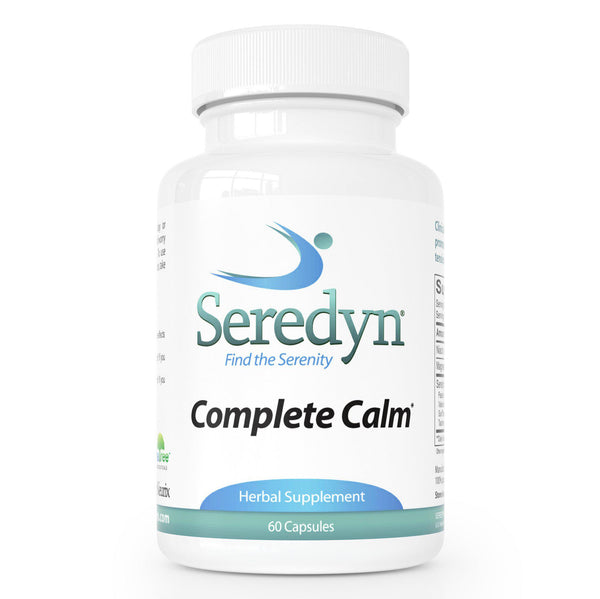
People use these words interchangeably all the time, but they actually describe entirely different bodily functions. Energy dictates your physical capacity to move, produce fuel, and tackle daily activities. Alertness governs your attention, wakefulness, and mental responsiveness in the exact moment. Understanding how these two diverge perfectly explains why you can feel completely physically exhausted yet still feel totally wired mentally.
Sometimes your limbs feel heavy, and your usual stamina just isn't there. In that situation, it makes more sense to focus on energy metabolism, oxygen transport, sleep, and overall nutrient intake rather than chasing quick stimulation. Some dietary supplements may help when a true nutrient gap is present, but the effect depends on what is actually missing.
B vitamins help the body release energy from food by acting as coenzymes in metabolism. Vitamin B6 plays a role in many enzyme reactions, and vitamin B12 is important for red blood cells and nerve function. When intake is low or a deficiency is present, fatigue can follow, but that does not mean a higher dose automatically improves energy in someone who already has enough.
CoQ10 is part of the mitochondrial electron transport chain, so it is involved in cellular energy production. CoQ10 levels may decline with age, but evidence for CoQ10 as a general stamina supplement is still limited. It fits better here as a possible option to discuss, not as a must-have for every older adult.
Magnesium is involved in hundreds of enzyme reactions, including processes tied to muscle function and energy use. Low magnesium can contribute to fatigue, weakness, and muscle cramps. Iron also matters because the body uses it to make hemoglobin in red blood cells for oxygen transport, but iron supplements make the most sense when low iron or iron deficiency has actually been identified.

Maybe your body feels capable of getting through the day, but your mind keeps drifting. In that case, the better question is not which compound can “fix” brain fog, but which ingredients have at least some human evidence for attention, wakefulness, or cognitive support. Results are usually modest, and none of these should be framed as a guaranteed answer.
L-theanine is naturally found in green tea. Human studies suggest that L-theanine, especially when paired with caffeine, may support attention and a calm, alert feeling in the short term, although results vary. That makes it more accurate to describe it as a possible support for mental focus than as a certainty.
Eicosapentaenoic acid (EPA) and docosahexaenoic acid (DHA) are important parts of healthy cell membranes, including in the brain. Evidence on omega-3 supplements and cognition is mixed, so it is better to frame omega-3s as general nutrition support rather than a quick answer for mental focus. That keeps the claim accurate and avoids promising more than the current evidence can support.
Alpha-GPC is a choline-containing compound involved in acetylcholine pathways. Some small studies suggest possible short-term cognitive effects, but the evidence remains limited and mixed, so it should not be presented as a reliable answer to mental fatigue. A cautious description is the safest fit for a consumer article.
Seredyn Complete Calm quickly soothes restlessness so you can think clearly again. Using pure plant extracts and amino acids, it optimizes your brain's emotional pathways to naturally reduce anxiety. You get the targeted relief you need to stay calm and confident all day.
Learn More About SeredynLifestyle factors shape how well any supplement routine works. A balanced diet, consistent hydration, and enough sleep create the baseline that energy supplements and focus formulas cannot replace. When those basics are off, even a well-chosen product may feel underwhelming.
Restful sleep matters more than any supplement routine. Sleep supports attention, learning, reaction time, and daytime alertness, and a large sleep debt can make both physical energy and mental focus feel worse. If sleep is poor, adding more stimulating products may only hide the problem for a few hours.
Even mild dehydration can worsen attention, reaction time, and perceived fatigue. Water will not fix every case of low energy, but poor hydration can make both physical and mental performance feel harder than usual. Staying hydrated still matters just as much as choosing the right vitamins or dietary supplements.

Buying supplements online can be confusing. A video play prompt, a modal window, a product details panel, or even stray text such as close modal dialog end should not drive the decision. What matters is the supplement form, serving size, default dose values, the full ingredient list, and whether the product fits your age, pregnancy status, medicines, and health conditions.
Pregnant women, people managing high blood pressure, and anyone considering high doses should check with a healthcare provider first. Vitamin C deficiency can cause fatigue, folic acid needs are especially important during pregnancy, and too much iron can be harmful.
Physical energy and mental focus are not always the same problem, so it helps to choose support that matches the pattern you are noticing. You might benefit more from reviewing meals, sleep, hydration, and nutrient intake before adding another product. Bioneurix separates products by intended use, but the better first step is still to match the supplement to the need and to speak with a healthcare provider if fatigue is new, severe, or ongoing.
To truly beat fatigue, you must address its root cause. If constant mental tension keeps you exhausted, Seredyn Complete Calm offers a gentle reset. It uses pure plant extracts and amino acids to optimize your brain's emotional pathways, reduce anxiety, and help you face tomorrow feeling completely centered and ready.
Try Seredyn Complete CalmThere is no single best vitamin for extreme tiredness. If fatigue is linked to iron deficiency or low vitamin B12, replacing the missing nutrient can help, but the right choice depends on the cause.
Start with the basics that most often affect energy: regular meals, good hydration, movement, and enough sleep. Supplements make more sense when they fill a real intake gap or support a clearly identified need.
Some may help in specific situations, but the evidence is mixed. Ingredients such as L-theanine with caffeine have shown short-term attention benefits in some studies, while many other focus supplements have limited or inconsistent evidence.
Timing depends on the ingredient. Products with caffeine or other stimulants are usually better earlier in the day, as later use can interfere with sleep.
Risk depends on the cause. Older adults may be more likely to have vitamin B12 absorption issues, and pregnancy raises iron needs, but poor sleep, low-calorie intake, stress, illness, and other nutrient gaps can also contribute.
Dunn, J., & Grider, M. H. (2023). Physiology, adenosine triphosphate. In StatPearls. StatPearls Publishing. https://www.ncbi.nlm.nih.gov/books/NBK553175/
National Institutes of Health, Office of Dietary Supplements. (2023, December 15). Vitamin B12: Fact sheet for consumers. https://ods.od.nih.gov/factsheets/VitaminB12-Consumer/
National Institutes of Health, Office of Dietary Supplements. (2025, August 22). Omega-3 fatty acids: Fact sheet for health professionals. https://ods.od.nih.gov/factsheets/Omega3FattyAcids-HealthProfessional/
Popkin, B. M., D’Anci, K. E., & Rosenberg, I. H. (2010). Water, hydration, and health. Nutrition Reviews, 68(8), 439–458. https://doi.org/10.1111/j.1753-4887.2010.00304.x