Your Cart is Empty


Taking a calming pill every morning may seem harmless, yet daily use warrants a closer look. A stress-relief supplement can support calm, sleep, and steadier energy, though safety depends on the ingredients, the dose, and what else you take. Some options are gentle for long stretches, while others can interact with medications or trigger side effects.
Knowing which is which helps protect both your health and your wallet. Safe daily use comes down to picking quality products, starting low, and checking with a doctor when needed.
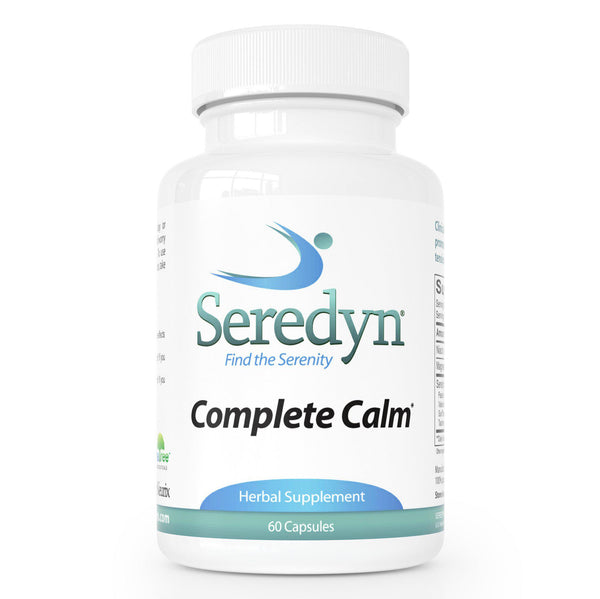
A stress-relief supplement is a product that combines herbs, nutrients, or amino acids to support a calm and balanced mood. What goes inside shapes both safety and results. Most formulas pull from three ingredient families.
Botanical extracts are plant-based compounds used to promote relaxation. Ashwagandha root, lemon balm, and valerian root fall here, each with a different effect on the body. Ashwagandha helps the body adapt to stress, while valerian root leans more toward sleep support.
Amino acids and nutrients support the brain chemistry behind a steady mood.³ L-theanine, an amino acid from tea, supports neurotransmitters tied to calm and helps promote relaxation without making you sleepy. Minerals like magnesium and B vitamins round out many formulas by supporting the nervous system and energy.
Omega-3s and probiotics support the body in different ways. Omega-3 fats from fish oil support brain function and may ease inflammation linked to stress.² Probiotics support gut health, which research increasingly ties to mood and calm.

Daily-use claims are partly accurate, but they must remain within legal limits. A label can say a product supports calm or relaxation, not that it treats disease. Reading claims with a critical eye keeps expectations honest.
Supplements can only make structure-function claims, not disease claims. A label may say a product helps promote relaxation, but it cannot claim to cure anxiety or stop panic attacks. The FDA (Food and Drug Administration) does not approve supplements for effectiveness before sale, so wording stays general on purpose.
Evidence behind stress supplements varies widely by ingredient. L-theanine and ashwagandha have solid human research and may help reduce stress and support a calmer mood, while some blends rest on thin data. Strong customer reviews are not the same as clinical proof.¹
Most research covers short-term use, not years of daily dosing. Studies often run a few weeks, so long-term safety data is limited for many herbs. That gap is one reason to revisit any daily supplement with a doctor over time.
A handful of ingredients recur in stress formulas. Each supports calm in a slightly different way. Commonly used ingredients include:
Ashwagandha (adaptogen)
L-theanine (amino acid)
Magnesium (mineral)
Lemon balm (herbal extract)
B-complex vitamins
These natural compounds are often combined to cover calm, sleep, and energy in a single formula.
Most stress supplements cause few side effects at normal doses, though mild reactions happen. Effects depend on the ingredient and the person. Knowing the common ones helps you catch trouble early.
Stomach upset is the most common complaint. Magnesium, especially at higher doses, can loosen stools, and some herbs cause mild nausea. Taking supplements with food often eases this.
Some ingredients can make you sleepy. Valerian root, sometimes used for occasional insomnia, and higher doses of lemon balm carry sedative effects, which is helpful before bed but risky before driving. Start these at night until you know how the body reacts.
Headache or dizziness can appear, usually early on. These effects are often dose-dependent and tend to fade within about two weeks. If they stick around, lower the dose or stop and talk to a doctor.
Yes, stress supplements can interact with medications and change how they work. Some pairings increase side effects, while others weaken a drug’s effect. Screening before taking medications alongside supplements is the safe move.
Calming herbs can stack with sedatives that slow the central nervous system (CNS) and increase drowsiness. Mixing valerian root or lemon balm with benzodiazepines, sleep aids, or alcohol can leave a person overly sedated. This combination can be dangerous, so clear it with a doctor first.
Omega-3s may have a mild blood-thinning effect. Anyone on anticoagulants, also called blood thinners, should ask a doctor before adding fish oil at higher doses. The goal is to avoid extra bleeding risk.
Adaptogens like ashwagandha can affect thyroid hormone levels. People with a thyroid condition, or those taking medications for it, should get professional input first. Small shifts in hormone levels can change how those drugs work.
Timing depends on the ingredient, ranging from under an hour to several weeks. Some options calm you fast. Others build steadier balance over time.
Fast-acting calming agents work within 30 to 60 minutes. L-theanine is the clearest example, easing tension and sharpening focus soon after a dose. The effect is gentle and does not knock you out.
Nutrients like magnesium usually need days to a few weeks. Benefits build as blood levels rise and the body restocks what stress drained. Daily consistency matters more than one large dose.
Adaptogens often take four to eight weeks to show a full effect. Research on ashwagandha links consistent use over several weeks to lower cortisol levels, the body’s main stress hormone. These herbs work by helping the body adapt, not by masking how you feel.

Some groups should skip daily stress supplements or use them only under a doctor’s care. Bodies respond differently, and a few conditions raise the risk. Extra caution protects the people most likely to be harmed.
Pregnant or breastfeeding people should avoid most stress supplements. Many herbs, including ashwagandha, are not proven safe during pregnancy and may affect the baby. A doctor can suggest safer ways to manage stress during this stage of life.
Anyone on prescription medications needs a check before daily use. Interactions with sedatives, blood thinners, and thyroid drugs are the main concern. A pharmacist or doctor can flag risky pairings fast.
People with a weakened immune system should be cautious with adaptogens. Some, like ashwagandha, can stir up immune activity, which may not suit those on immune-suppressing medications. Children should also avoid these products unless a doctor advises otherwise.
The safest start is one ingredient, a low dose, and a simple log. This approach shows what works and limits surprises. A little structure early saves guesswork later.
Begin with a single ingredient so you can judge its effect. Stacking several new supplements at once makes it hard to tell which one helped or caused a problem. Give each option a couple of weeks before adding another.
Start at the lowest effective dose and build only if needed. More is not better, and higher amounts raise the odds of side effects. Follow label directions and adjust slowly.
Track your sleep, mood, energy, and any symptoms each day. A short log reveals real patterns instead of guesses. Over a few weeks, trends in calm, focus, or fatigue become clear.
Quality is verified through independent testing and open sourcing. Because the FDA does not verify supplement effectiveness before sale, outside evidence matters. Three signals separate trustworthy products from the rest.
Third-party testing means an outside lab checks a product for purity and accuracy. Look for seals showing a product is third-party tested against high standards. This guards against contamination and doses that miss the label.
Open sourcing shows where ingredients come from and how they are handled. Brands that share this build trust, since hidden “proprietary blends” mask real amounts. Clear sourcing signals a company formulated its product with care.
A certificate of analysis (COA) is a lab report confirming what is inside. Reputable brands share one on request or post it online. A company that cannot provide it is a red flag before you purchase.

A healthcare provider should be consulted before and during daily use in several situations. Professional input keeps supplements from clashing with existing care. Three cases call for a conversation.
See a doctor if symptoms are new, severe, or getting worse. Frequent panic attacks, deep fatigue, irritability, or signs of an anxiety or mood disorder need real evaluation, not just supplements. Catching a bigger issue early protects long-term health.
Talk with a doctor before combining supplements with several prescription medications. The more drugs involved, the higher the chance of an interaction. A quick review can prevent a costly mistake.
Consult a provider when planning a pregnancy or living with a chronic illness. Conditions affecting the liver, heart, or immune system change what is safe. A few high-dose herbs carry a rare risk of liver damage, which makes oversight important.
Daily habits make supplements safer and more effective. The best results come when a pill supports a solid routine rather than replacing it. Pair supplements with:
Regular sleep schedule
Balanced whole-food diet
Daily movement or exercise
Stress-management practices (breathwork, mindfulness)
Good sleep, real food, and daily movement do the heavy lifting. Supplements simply add support.
Daily stress support can be safe when you choose wisely and start slow. Choose third-party-tested products, start with a low dose, and track how the body responds over a few weeks. Watch for interactions if taking medications, and loop in a doctor for pregnancy, chronic illness, or worsening symptoms.
A good stress-relief supplement complements healthy sleep, a nutritious diet, and regular movement rather than replacing them. Many quality brands sell online and let you cancel anytime, so starting small carries little risk.
Make the safe choice, lean on trusted guidance, and take one steady step toward calm with Bioneurix today.
Not always, since some supplements affect serotonin or interact with medications, so consult a doctor before pairing them with antidepressants.
Fast options like L-theanine work in 30 to 60 minutes, while magnesium and adaptogens take days to several weeks.
Stress herbs like lemon balm and L-theanine are not considered addictive, unlike benzodiazepines, though it is wise to pause and reassess with a doctor.
Many adults use around 100 to 350 mg of supplemental magnesium daily for calm, but check with a doctor for the right dose.
Yes, look for products that are third-party tested by labs such as USP or NSF to verify purity and quality.
Arumugam, V., Vijayakumar, V., Balakrishnan, A., B Bhandari, R., Boopalan, D., Ponnurangam, R., Sankaralingam Thirupathy, V., & Kuppusamy, M. (2024). Effects of Ashwagandha (Withania Somnifera) on stress and anxiety: A systematic review and meta-analysis. Explore (New York, N.Y.), 20(6), 103062. https://doi.org/10.1016/j.explore.2024.103062
Dighriri, I. M., Alsubaie, A. M., Hakami, F. M., Hamithi, D. M., Alshekh, M. M., Khobrani, F. A., Dalak, F. E., Hakami, A. A., Alsueaadi, E. H., Alsaawi, L. S., Alshammari, S. F., Alqahtani, A. S., Alawi, I. A., Aljuaid, A. A., & Tawhari, M. Q. (2022). Effects of Omega-3 Polyunsaturated Fatty Acids on Brain Functions: A Systematic Review. Cureus, 14(10), e30091. https://doi.org/10.7759/cureus.30091
Li, M. Y., Liu, H. Y., Wu, D. T., Kenaan, A., Geng, F., Li, H. B., Gunaratne, A., Li, H., & Gan, R. Y. (2022). L-Theanine: A Unique Functional Amino Acid in Tea (Camellia sinensis L.) With Multiple Health Benefits and Food Applications. Frontiers in nutrition, 9, 853846. https://doi.org/10.3389/fnut.2022.853846