Your Cart is Empty


It is 3 a.m. Your heart is hammering, and nothing is wrong. This has been going on for weeks, and you cannot figure out why. For a lot of midlife women, the answer hides in plain sight. Perimenopause and anxiety⁴ are tangled together far more often than most doctors flag, because mood symptoms in your 40s rarely get traced back to hormones until things get bad. Estrogen jumps. Progesterone falls. Cortisol misfires. Sleep falls apart. These hormonal changes can push the nervous system into overdrive long before periods stop, and the 9 triggers ahead unpack what is actually going on.
Seredyn Complete Calm is formulated with standardized plant extracts and amino acids that support the body's natural calming pathways, making it a worthwhile option alongside steady lifestyle shifts.
Seredyn Complete Calm supports the body’s natural calming pathways with botanicals and amino acids that fit into a steady daily routine.
Support Daily Calm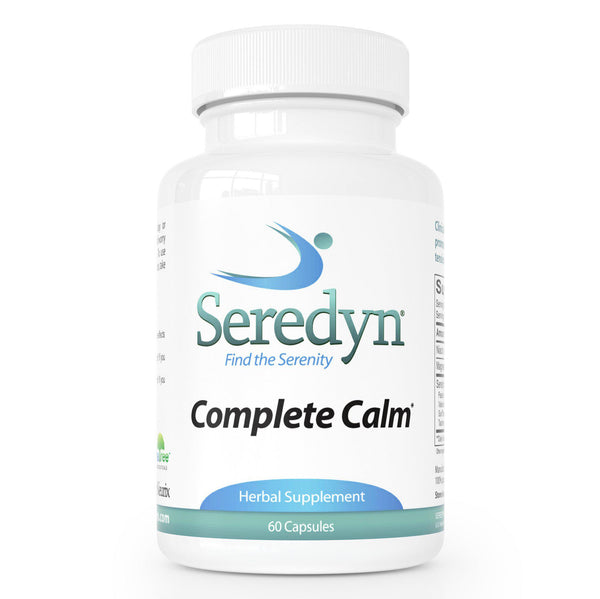
Perimenopause is the stretch of years before menopause when hormone levels start swinging instead of holding steady. Those swings ripple through mood, sleep, and the stress response, which is why feeling anxious can hit out of nowhere in your 40s. Three factors explain why this transition lands so hard on the nervous system.
Perimenopause usually begins in the early to mid-40s and runs anywhere from 4 to 10 years before periods stop. The menstrual cycle turns irregular, with shorter or skipped months becoming the new normal. Some women breeze through. Others spend close to a decade in it.
The swings, not the eventual drop, drive most peri symptoms. Estrogen can spike one week and crash the next, dragging sleep quality and mood with it. Progesterone, which acts like a built-in calming agent on the brain, tends to fall earlier and faster than estrogen does.
Estrogen helps regulate serotonin levels, GABA (gamma-aminobutyric acid), and the body's stress signal. When estrogen drops, the whole system loses stability, which is why hormonal shifts can mimic an anxiety disorder with no outside trigger. The brain is reacting to chemistry, not events.

Perimenopause and anxiety are connected through hormone-driven changes that affect brain chemistry, sleep, and the stress response. Anxiety during this stage almost never has one clean cause. Multiple factors stack on each other, which is why one rough week can spiral into months of feeling off.
The following hormonal and physiological shifts can drive anxiety symptoms during perimenopause:
Estrogen swings that destabilize serotonin and GABA activity
Progesterone decline, which removes a natural calming influence on the brain
Cortisol dysregulation from disrupted sleep and stress sensitivity
Thyroid changes that often appear alongside perimenopause
Blood sugar instability from shifting insulin sensitivity
Heart palpitations triggered by hormonal shifts
Increased sensitivity to caffeine and alcohol
Heightened nervous system response to everyday stressors
Perimenopause anxiety often feels physical and sudden, with no clear trigger to point at. Women who handled stress well for decades can find themselves rattled by traffic or a single email. Here is what tends to show up most.
A racing mind can arrive on a perfectly calm day, with nothing to blame. The worry feels intrusive and resists logic, the way a song stuck in your head ignores your wishes. Anxiety arrives before the thought.
Chest tightness, a racing heart, and shallow breathing often hit before any anxious thought.² The body fires first. Plenty of women end up in urgent care convinced they are having a heart attack before anyone mentions perimenopause.
Waking between 2 and 4 a.m. is one of the most common sleep disturbances tied to peri symptoms. You feel wired, then exhausted, then wired again, unable to stay asleep no matter how tired you are. Mornings can start with a heavy sense of dread before your feet hit the floor.
Hormonal shifts can make stress feel louder. Seredyn Complete Calm offers targeted support with passionflower, valerian, L-theanine, magnesium taurinate, and niacinamide.
Check Out SeredynCalming perimenopause anxiety naturally works best when you layer small habits across sleep, food, movement, and nervous system support. No single fix works for every woman, though most see the steadiest progress when these five practices come together as a daily routine.
Protein-rich meals and short gaps between eating help keep cortisol levels and mood swings from spiking. Long stretches without food can trigger stress hormones and worsen feelings of anxiety, especially in the mid-afternoon. Aim for 25 to 30 grams of protein at breakfast within an hour of waking.
Cool bedrooms, blackout curtains, and a consistent wind-down routine can ease night sweats and help you stay asleep. Screens an hour before bed kills the brain's ability to ramp down. Limit caffeine after early afternoon, since sensitivity climbs sharply in midlife.
Walking, strength training, and yoga help regulate the nervous system and lower chronic stress. Strength training in particular supports hormone levels and bone density, both of which matter more after 40. Twenty to thirty minutes a day can make all the difference.
Passionflower, valerian, and L-theanine have been used for generations to support a calm state and steady mood. Seredyn Complete Calm pairs these botanicals with magnesium taurinate and niacinamide, ingredients that support the body's natural relaxation response. Check with a healthcare professional before adding any supplement, especially if you take hormone therapy or birth control pills.
Talking with a healthcare professional matters when symptoms feel persistent or keep getting worse. Talk therapy, hormone replacement therapy, or menopausal hormone therapy may be worth exploring depending on your history and risk factors. A good provider will also rule out thyroid issues, affective disorders, or other mood disorders that overlap with peri symptoms.
You should talk to a doctor about perimenopause anxiety when symptoms disrupt daily life, last for weeks, or feel severe. Natural strategies carry plenty of women through. Some signs need clinical eyes on them.
Reach out when anxiety starts interfering with work, relationships, or sleep on a regular basis. Severe anxiety, intense anxiety, or any noticeable anxiety increase that drags on for weeks is worth a conversation. You do not have to wait until things feel unbearable to ask for help.
Chest pain, severe palpitations, or symptoms that mimic other conditions should always be evaluated. Some peri symptoms overlap with thyroid disease, heart issues, or generalized anxiety disorder (GAD), and a short visit can rule out the most serious causes. Vasomotor symptoms¹ paired with strong anxiety are also worth flagging.
Persistent low mood, panic attacks,³ or signs of major depressive disorder need professional care. Suicidal thoughts or any thoughts of self-harm are a medical emergency and need help right away. Call or text 988 in the United States to reach the Suicide and Crisis Lifeline.

Perimenopause anxiety is information. It is your body flagging that something in the system needs attention, not a flaw you have to muscle through. Small, layered changes across sleep, food, movement, and targeted natural support shift more than any single fix on its own. Seredyn Complete Calm is one option many midlife women turn to for steady, natural calm support during the menopausal transition. Pick one change and start it today.
If perimenopause anxiety keeps showing up, a simple support routine may help. Seredyn Complete Calm is designed to support relaxation, emotional balance, and everyday calm.
Shop Complete CalmYes, swings in estrogen and progesterone can trigger severe anxiety, panic attacks, and intense anxiety even in women with no history of mental health disorders.
Perimenopause anxiety most often starts between the early 40s and mid-40s, though some women notice mood changes in their late 30s.
Perimenopausal anxiety can last from a few months to several years, depending on hormone levels, chronic stress, and personal risk factors.
Supplements built around passionflower, valerian, L-theanine, and magnesium, such as Seredyn Complete Calm, are commonly used to support a calm state during perimenopause.
Yes, perimenopause anxiety usually arrives with physical symptoms like a racing heart, hot flashes, and night sweats, and tends to spike with hormonal changes rather than situational triggers.
National Institute of Diabetes and Digestive and Kidney Diseases. (2021). Hypothyroidism (underactive thyroid). U.S. Department of Health and Human Services, National Institutes of Health. https://www.niddk.nih.gov/health-information/endocrine-diseases/hypothyroidism
National Institute of Mental Health. (2024). Anxiety disorders. U.S. Department of Health and Human Services, National Institutes of Health. https://www.nimh.nih.gov/health/topics/anxiety-disorders
National Institute of Mental Health. (2025). Panic disorder: What you need to know. U.S. Department of Health and Human Services, National Institutes of Health. https://www.nimh.nih.gov/health/publications/panic-disorder-when-fear-overwhelms
National Institute on Aging. (n.d.). Menopause. U.S. Department of Health and Human Services, National Institutes of Health. Retrieved May 13, 2026, from https://www.nia.nih.gov/health/menopause
Office on Women's Health. (2025, May 30). Menopause symptoms and relief. U.S. Department of Health and Human Services. https://womenshealth.gov/menopause/menopause-symptoms-and-relief