Your Cart is Empty


Tossing and turning in bed with a racing mind is exhausting. It drains your focus for the day ahead and leaves you feeling completely depleted. Constant notifications and traffic sounds keep our nervous systems on edge, so you might search the internet to find music to fall asleep faster when you are desperate for rest. Sound plays a significant role in how the brain shifts from daytime alertness to a restorative state. Figuring out the science of acoustic relaxation shows us how the right audio tracks can calm down an overactive brain at night.
People argue constantly about how acoustic vibrations interact with our bodies. While standard tuning often brings out a sense of energy, alternative tuning methods might better align with our natural biological rhythms, promoting deep rest. Looking at both sides of this argument explains why certain audio tracks can help you fall asleep faster.
Musicians across the world agreed to use 440 Hertz as the universal pitch standard decades ago. Producers design modern songs around this exact frequency to capture your attention and encourage active listening rather than deep relaxation. You hear this standard tuning every time you listen to a popular album on the radio.
Many acoustic researchers believe that tuning music to 432 Hertz feels much more natural to the human body. Clinical observations indicate that this slightly lower pitch fosters profound calm. It makes sense that so many people visit online audio libraries to share and explore soothing music recorded at this specific pitch, as it helps ease everyday nervous tension.

Good auditory relaxation tools rely on basic musical structures specifically chosen to lower your heart rate and settle your racing thoughts. The right tempo and a lack of sudden noises physically prepare your body for slumber. These basic traits are exactly what separates an ordinary playlist from highly effective deep sleep music.
Any audio played at 60 beats per minute or slower helps your cardiovascular system sync with the beat. Your heart rate naturally slows down to match the gentle pace of the relaxing music. This biological mirroring physically prepares you for the first stages of rest.
Hearing words and complex vocal runs forces your brain to process language, which inadvertently keeps you alert. Stripping away the lyrics stops your mind from trying to learn a new concept or follow a story. Pure instrumental tracks let your brain turn off so you can relax without distractions.
The best soundscapes for deep brain relaxation match distinct acoustic profiles with your own sensory needs. Finding the right auditory environment helps mask annoying background noise so you can fall asleep without waking up at random hours. You might love a specific nature recording, or perhaps you decide to email a helpful YouTube link to a friend struggling with occasional restless nights.
Consider trying binaural beats engineered to encourage deep delta brainwave states.
Continuous ambient drones are also great because they block out loud environmental noises.
Classical compositions with slow, predictable tempos work well for many people.
Nature sounds that blend water and wind frequencies offer a highly soothing experience.
You can build auditory tools into your nightly routine by pairing sensory cues with biological signals to train your brain for consistent recovery. To get the most out of your audio choices, you must set up a dedicated physical environment before getting into bed. Building these habits sends a clear message to your body that it is time to shut down.
Start by dimming your harsh overhead lights to stimulate natural melatonin production.
Set your volume levels to a low whisper to prevent any sudden startle responses.
Use timers to automatically shut off the audio before you transition into deep REM cycles.
Pair your targeted soundscapes with science-backed nutritional support to enhance your overall calm.
Quieting a hyperactive mind requires deliberate choices that soothe your nervous system rather than stimulate it. Curating your nighttime audio environment naturally guides your brain into profound relaxation. When you understand the science of tempo and cognitive load, you can finally select the right acoustic tools for your personal needs.
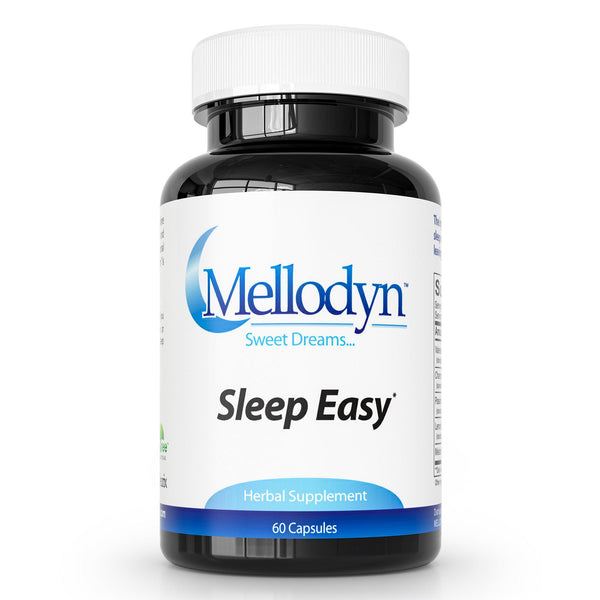
Pairing consistent hygiene habits with premium neurological support helps maximize your nightly recovery once you find the ideal acoustic match for your preferences. You can easily enhance this calming routine by adding Mellodyn Sleep Easy to your nighttime schedule.
Mellodyn safely combines standardized herbal extracts with natural compounds to work in harmony with your sleep-wake cycles. This non-habit-forming formula promotes a healthy, restorative night's sleep without leaving you feeling groggy the next morning.
Clinical studies back up classical, ambient, and lo-fi genres because they maintain a steady tempo of around 60 beats per minute without lyrical distractions.
Listening to two slightly different frequencies in each ear creates an auditory illusion that shifts your brain into slower and calmer states.
Continuous audio can interrupt your deep sleep cycles, making it important to use timers that shut off the sleep music shortly after you drift off.
Some theorists believe that the 432 Hertz pitch promotes deep peace by naturally resonating with the Earth's electromagnetic frequency.
Acoustic therapy is a powerful behavioral tool, but it works best when you combine it with comprehensive brain-health protocols rather than acting as a total replacement.