Your Cart is Empty


Some days, brushing your teeth feels like a marathon. On those days, a 30-minute workout or a long meditation isn’t happening. Low-energy days happen to everyone, so the mental health exercises below take almost no effort, and many can start from bed.
At BioNeurix®, emotional wellness is the whole focus, and the smallest tools often do the most work. If zero energy lasts for weeks, check in with a doctor. For ordinary flat days, these 12 small steps can help you get moving again, one tiny win at a time.
Keeping things simple today? Amoryn brings B vitamins, vitamin D3, and herbal extracts together in one formula. Review the ingredients and directions as you consider options for your everyday wellness routine.
Get to Know Amoryn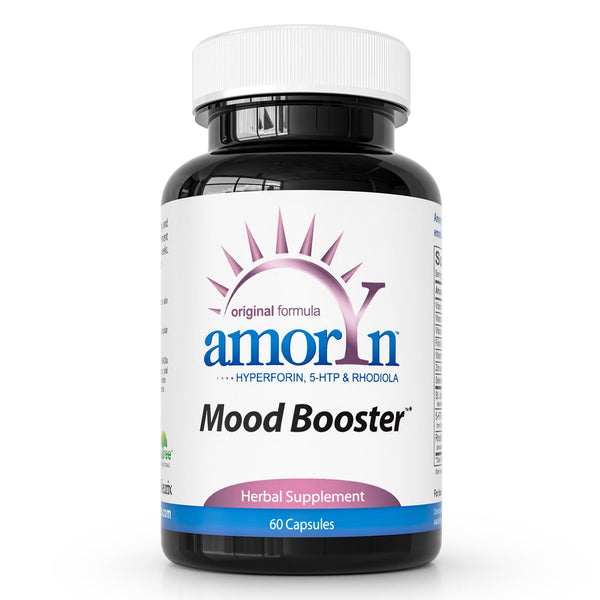
Mental health exercises are small, intentional actions that help steady your mood and mind. Think of them less like a workout and more like brushing your teeth for your brain.
Deep breathing, stretching, journaling, and a short walk all count. Done regularly, these small habits add up and support your mental well-being over time.
Most take one to five minutes and need no equipment or physical strength. The goal is to do something, even imperfectly, since a half-finished exercise still counts. Nothing here is essential except a few minutes and a willingness to try.

Physical health and mood share the same fuel supply, so when one runs low, the other usually feels it. Your body and brain send signals both ways all day.
Stress and low mood can drain physical energy, and stress hormones like cortisol can leave you wired and worn out at the same time. Fatigue works in the other direction too. When you're tired, emotions often feel heavier and harder to cope with.
Poor sleep is linked to lower mood. Long gaps without food or water can leave you foggy, and even mild dehydration is linked to fatigue and poorer focus.
Movement matters too. Regular physical activity is linked to better mood, and researchers often treat it as a protective factor for mental health.³
You can breathe, stretch, and write one line without leaving bed. On the heaviest days, when the world feels like too much, the bed can be a starting point instead of a trap.
Five minutes is enough for one small reset that can shift your mood. When getting out of bed is possible but not much else, pick just one of these:
4. Drink a full glass of water: It's the easiest win on the list.
5. Get a few minutes of daylight: Open the blinds or step outside for fresh air, since even a small change of environment can help.
6. Play one favorite song from start to finish: Music you love can give your mood a quick boost.
7. Wash your face and put on fresh clothes: A small reset can make the rest of the day feel more doable.
8. Text one person: Even an emoji helps you connect with friends when talking feels like too much.
9. Name five things you can see: Naming them helps you engage with the room and pulls your focus out of your head and into the moment.
One done is a win. Two is a bonus.
Light physical exercise often adds energy for many people instead of using it up. Even gentle movement is beneficial because it gets you out of your head and into your body.
Easy movement, like slow pedaling or marching in place, may help more than a hard workout on tired days. In a small University of Georgia study, 36 inactive young adults with ongoing fatigue did 20 minutes of easy cycling three times a week.¹ After six weeks, fatigue dropped 65%, more than in the group that worked harder.
A short walk counts, even if it's only five minutes. Fresh air and daylight add to the effect, and spending time in nature is linked to lower stress. For more ideas, see these tips on walking to ease stress.
Chair stretches and gentle yoga work well in bad weather or on very low-energy days. They also suit older adults and anyone with sore joints, and free online classes can guide you through each pose. Start with these yoga poses for stress relief.
As you build on those small habits, get to know Amoryn's full formula, including St. John's wort and 5-HTP. Ask a doctor or pharmacist about suitability, especially if you take medication.
Review the Amoryn FormulaThe mental health benefits of tiny steps start with momentum. Small actions can lift mood in ways that surprise people who feel stuck. That's why starting small matters.
Therapists often encourage small, doable actions first through an approach called behavioral activation. Motivation tends to show up after action, so waiting to feel ready can keep you stuck. One small task gives your brain a reason to try the next one.
Finishing one tiny task often makes the next one feel more possible. Over time, those wins can build self-confidence and self-esteem, and they give you a sense that you can cope on hard days.
Treat yourself with compassion when a day goes sideways. A skipped day is part of the process.

You make these habits stick by planning on good days, so hard days take less thought. Habits develop faster when they're easy to start.
On a good day, create a short menu of go-to exercises from this page, plus any other things that help you. Keep it by your bed or on your phone, so you don't have to decide anything when energy is low.
Attach one exercise to something you already do. For example, stretch right after waking up, or try deep breathing while the coffee brews. Parents can stack a stretch onto getting children ready for school.
Commit to two minutes only. If you stop and rest after that, it still counts, and some days you'll keep going once you've started.
Low energy may signal something more when it lasts for weeks or interferes with daily life. Talk with a doctor or mental health professional if any of these sound familiar:
Low energy or low mood on most days for two weeks or longer
Losing interest in things you usually enjoy
Big changes in sleep or appetite
Trouble getting through work or daily tasks
These can be symptoms of depression, which is treatable, though thyroid problems, low iron, and poor sleep can cause them too. If thoughts of suicide or self-harm come up, call or text 988 to reach free crisis services through the 988 Suicide & Crisis Lifeline, open 24/7 in the U.S.
On zero-energy days, small counts, and starting matters more than finishing. These mental health exercises help because they ask for so little, so pick one from the list right now and do it before you close this page. One glass of water or one minute of breathing is a real step.
Want extra support for the low days? BioNeurix’s Amoryn pairs B vitamins and vitamin D3 with herbal extracts in one daily capsule made for mood support. It contains St. John’s wort and 5-HTP, so talk with your doctor first, especially if you take an antidepressant. Your happiness doesn’t need a big plan today. One small step is enough to start.
Curious about adding Amoryn to your routine? If your doctor or pharmacist agrees the formula suits your needs, review the label and choose a purchase option that works for you.
Shop Amoryn Mood BoosterWalking or jogging, yoga, and strength training show the strongest links to easing depression, though the best choice is one you'll stick with.
The Centers for Disease Control and Prevention (CDC) recommends 150 minutes of moderate activity a week for adults, and even half that amount is linked to an 18% lower risk of depression.
A short session can lift mood for some people, and five minutes makes it easier to start on low-energy days.
Start before motivation shows up with one tiny action, like a 2-minute stretch, and let that small win carry you forward.
Poor sleep, stress, low iron, thyroid problems, and depression are common causes, so see a doctor if the fatigue lasts more than two weeks.
Fahmy, S. (2008, February 28). Low-intensity exercise reduces fatigue symptoms by 65 percent, study finds. University of Georgia. https://news.uga.edu/low-intensity-exercise-reduces-fatigue-symptoms-by-65-percent-study-finds/
Leggett, H. (2023, February 9). 'Cyclic sighing' can help breathe away anxiety. Stanford Medicine. https://med.stanford.edu/news/insights/2023/02/cyclic-sighing-can-help-breathe-away-anxiety.html
Mahindru, A., Patil, P., & Agrawal, V. (2023). Role of physical activity on mental health and well-being: A review. Cureus, 15(1), e33475. https://doi.org/10.7759/cureus.33475