Your Cart is Empty


If the snooze button wins most mornings, breakfast might deserve a second look. Dopamine is the brain chemical tied to motivation, and food supplies the raw materials your body uses to make it. That's the idea behind dopamine brain food. No meal flips a switch, and a few picks carry safety notes for people on certain medicines.
BioNeurix® focuses on the brain chemistry behind mood, so this guide sticks to what food can and can't do. Protein-rich breakfasts with a few helper nutrients support normal dopamine production, so try one of the seven below this week.
A balanced breakfast is one part of your wellness routine. Amoryn includes vitamin B6 and folate among its ingredients. Review the full formula as you consider whether it fits your needs.
Get to Know Amoryn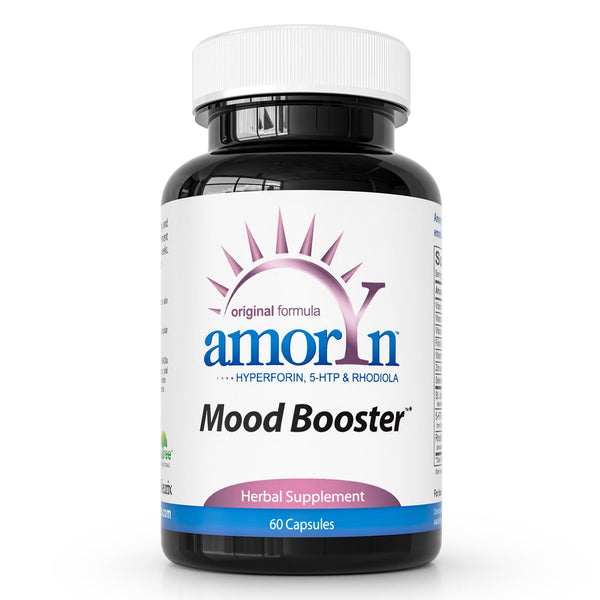
“Dopamine brain food” is a catchy label, not a medical term. It usually means certain foods that give the body what it needs to make dopamine on its own. Before you talk about the food, it helps to know what dopamine does.
Dopamine is a neurotransmitter, one of the brain chemicals that brain cells use to send signals. It's the primary neurotransmitter in the brain's reward system. The brain releases dopamine when you expect something good, and that push is why people call it the motivation molecule.
Dopamine has more to do with wanting a reward than with how much you feel pleasure once you get it. It drives everyday activities, from getting out of bed to working through a to-do list, and it shapes mood and well-being too.
Most dopamine brain food lists focus on protein-rich foods such as eggs, fish, dairy, soy, and beans. These foods supply tyrosine, the amino acid your body turns into dopamine. Foods with iron, vitamin B6, and folate play supporting roles, and many of them also show up on general brain food lists.
Bananas and a few other foods contain some dopamine. That dopamine can't cross from the blood into the brain, so it doesn't add to what your brain cells make.

Food affects dopamine production by supplying the raw materials and helpers your body needs. Dopamine isn't on any nutrition label, but those raw materials are. The body keeps a firm hand on the rest.
The body makes dopamine from the amino acid tyrosine, which comes from protein foods. It can also make tyrosine from L-phenylalanine, another amino acid, and eggs, dairy, soy, and fish supply all these crucial precursors.
Making dopamine is a two-step process. First, enzymes turn tyrosine into a compound called L-DOPA. Then L-DOPA undergoes one more change and becomes dopamine.
Iron helps the enzyme that starts the production process. Vitamin B6 helps with the second step, when L-DOPA becomes dopamine. Folate supports the same pathway, though its role is less direct.
Scientists call these helpers cofactors. Because multiple cofactor nutrients support each step, a diet rich in different foods does more than any single one. Your body also needs vitamin C to turn some dopamine into norepinephrine, a chemical tied to alertness.
The body tightly controls how much dopamine it makes. In healthy, well-fed people, extra tyrosine may not lead to more dopamine or more mental drive, because the first enzyme usually has plenty of tyrosine already. Claims that breakfast can boost dopamine levels go beyond the research.¹
Breakfast matters for motivation because the first meal shapes your energy for the next few hours. What lands on the plate can mean steady energy or a 10 a.m. slump.
Protein and fiber digest slowly, which helps keep blood sugar steadier through the morning. Fewer blood sugar swings can mean fewer dips in energy and focus. Protein also supplies tyrosine, so it does double duty.
Sugary cereals and pastries bring a quick lift, then a dip. A donut can feel like a dopamine hit because sweet food lights up the reward system. That dopamine rush fades fast, though, and the crash can leave you hungry again before lunch.
Amoryn includes vitamin B6 and folate, as well as St. John's wort and 5-HTP. Review the complete formula with a doctor or pharmacist before adding it to your wellness routine.
Review the Amoryn Formula
The best dopamine-friendly breakfasts pair a solid protein source with at least one helper nutrient. Most take 10 minutes or less. Each one below names the key nutrients first, then gives one tip.
Eggs supply tyrosine, and spinach adds iron and folate.
Tip:Wilt the spinach in the pan for a minute before you add the eggs, so the scramble doesn't turn watery.
Salmon supplies tyrosine and vitamin B6, and avocado adds folate.
Tip:Smoked salmon is high in sodium, so keep it to about 2 ounces or swap in leftover cooked salmon.
Greek yogurt supplies protein, banana adds vitamin B6, and pumpkin seeds add iron.
Tip:It's the fastest option on the list and takes about two minutes to put together.
Cottage cheese is one of the richest sources of tyrosine in the dairy case, and pistachios add vitamin B6.
Tip: Berries bring vitamin C and fiber, which round out the bowl.

The best plant-based dopamine breakfasts use beans, soy, and nuts to do what eggs and dairy do. They still supply tyrosine, plus iron and folate.
Soy supplies tyrosine, and black beans add iron and folate.
Tip:Add salsa or peppers, since vitamin C helps your body absorb the iron in plant foods.
Soy milk and almonds add protein, and oats add fiber for steadier energy.
Tip:Mix it the night before, and breakfast is ready when you wake up.
Ful medames is a traditional Egyptian breakfast made from slow-cooked fava beans. Fava beans naturally contain L-dopa, the compound your body turns directly into dopamine.
Safety note: People with glucose-6-phosphate dehydrogenase (G6PD) deficiency, an inherited condition that affects red blood cells, must avoid fava beans. Anyone taking monoamine oxidase inhibitors (MAOIs) or Parkinson's medicine should ask a doctor before eating them.
Daylight, movement, coffee, and sleep all shape morning dopamine levels. Food is one piece, and these habits around breakfast may matter just as much:
Daylight soon after waking: Morning light helps set your body clock, which shapes energy through the day.
A few minutes of movement: Exercise is linked to dopamine release in the brain, and a brisk walk is an easy start.
Moderate coffee: Caffeine can affect dopamine signaling, but too much brings jitters. Coffee after the late afternoon can also cut into sleep.
Enough sleep the night before: Research links short sleep to changes in the brain's dopamine system.
None of these habits cost money, and each pairs well with any breakfast on the list. For more ideas, see these natural ways to support dopamine.

For most healthy people, food comes first. A dopamine brain food supplement may make sense for some people, but the evidence is still limited.
A balanced diet with protein usually supplies enough tyrosine to promote dopamine production at a normal pace. No dopamine supplement can make up for short sleep or a breakfast of pastries. For more ideas, see these foods tied to mood.
L-tyrosine has the most research behind it. Research suggests it may help focus, memory, and cognitive performance during short bursts of stress, such as sleep loss, cold, or heavy multitasking.⁴ It does little when you're rested, and it hasn't been shown to lift everyday mood.
Mucuna pruriens, a bean used in some blends, contains L-DOPA and can interact with medicines. Labels that promise mental clarity often lean on these two ingredients.
Read labels before you buy any dopamine supplement or natural stacks of mood ingredients. Look for full label disclosure: dopamine products that hide doses inside a “proprietary blend” make it hard to judge safety. Phrases like “the only formula” or “certified open source” are claims a brand makes about itself, so a third-party seal from U.S. Pharmacopeia (USP) or NSF International is a better sign of dietary supplement quality.²³
You may also see acetylcholine brain food products, which target a different brain chemical tied to memory. “Natural ingredients” on a label doesn't promise the product is safe with your medicines.
Tyrosine may interact with MAOIs, thyroid medicine, and levodopa, a Parkinson's drug. St. John's wort, found in many mood blends including BioNeurix's Amoryn, interacts with antidepressants, birth control pills, blood thinners, and many other drugs. Amoryn also contains 5-hydroxytryptophan (5-HTP), which can raise the risk of a dangerous reaction called serotonin syndrome when taken with antidepressants.
Talk to a doctor before starting any mood supplement if you take prescription medicine or have depression or another medical condition. Mental health care works best when your doctor knows everything you take.
Protein-rich breakfasts with iron, vitamin B6, and folate give your body what it needs for normal dopamine production, and morning daylight and movement help too. Pick one breakfast, prep it tonight by boiling eggs or mixing overnight oats, and try it for a week. Notice whether you feel more mentally driven and stay present through your morning.
Some mornings, the eggs and spinach just won’t happen. For those days, BioNeurix’s Amoryn puts vitamin B6 and folic acid, two of the same helpers on your plate, into one daily capsule made for mood support. It also contains St. John’s wort and 5-HTP, so talk with your doctor first if you take antidepressants or other medicines. Tomorrow’s motivation starts with tonight’s prep.
Plan tomorrow's breakfast, then consider what else fits your wellness routine. If your doctor or pharmacist agrees Amoryn is suitable for you, review the label and choose a purchase option that works for you.
Shop Amoryn Mood BoosterProtein-rich foods like eggs, fish, dairy, soy, and beans supply tyrosine, which the body uses to make dopamine, though no single food guarantees a rise.
Bananas contain a small amount of dopamine that can't reach the brain, though the vitamin B6 in bananas helps your body make its own.
Caffeine can change how the brain responds to dopamine, and moderate amounts suit most adults, though too much may cause jitters or poor sleep.
Vitamin B6 and folate help the body make dopamine, along with the mineral iron, and most people get enough from a varied diet.
Dopamine plays a key role in motivation, but poor sleep, stress, and depression can also drain drive, so see a doctor if low motivation lasts more than two weeks.
Galioto, R., & Spitznagel, M. B. (2016). The Effects of Breakfast and Breakfast Composition on Cognition in Adults. Advances in Nutrition (Bethesda, Md.), 7(3), 576S–89S. https://doi.org/10.3945/an.115.010231
NSF. (n.d.). The NSF certification mark. https://www.nsf.org/about-nsf/nsf-mark
United States Pharmacopeia. (n.d.). USP verified mark. https://www.usp.org/verification-services/verified-mark
Young, S. N. (2007). L-tyrosine to alleviate the effects of stress? Journal of Psychiatry & Neuroscience, 32(3), 224.