Your Cart is Empty


Waking up with a stiff face and pounding headaches is an awful way to start the day. That dull ache often points to a restless, tense night, and stress during the day is one common factor behind it. A busy, stressed mind can carry tension into sleep, and for some people, that tension shows up as a clenched jaw. Understanding how to stop grinding teeth in sleep naturally is a sensible step if you want to protect your smile and find some relief.
Easing into a calm state before bed goes a long way toward releasing that physical tension. A quiet evening routine gives the body a chance to recover from the pressures of everyday life.
A relaxed evening routine can make it easier to unwind before bed. Mellodyn Sleep Easy is made with non-habit-forming ingredients to support healthy, natural sleep without morning grogginess.
Try Mellodyn Sleep Easy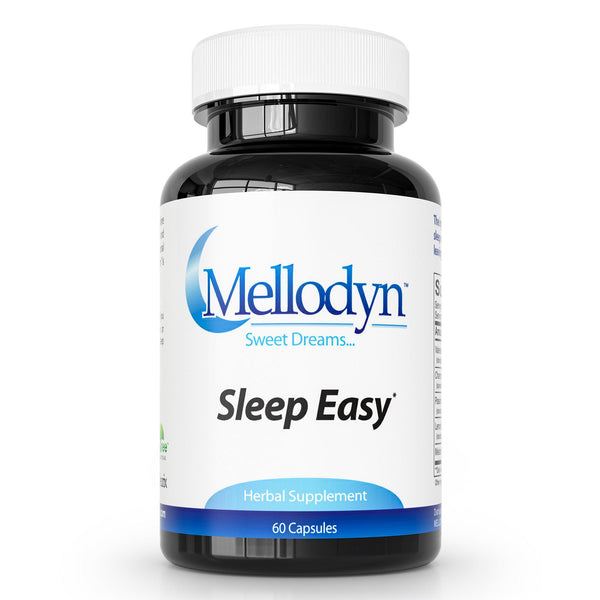
Identifying the underlying causes of nighttime grinding is the first step toward the right treatment options. A busy, stressed mind can leave the body tense, and during sleep, that tension sometimes settles in the neck muscles and jaw. This is not always a harmless habit. If left untreated, chronic stress combined with poor sleep habits can lead to tooth damage, painful areas, and facial pain.
Dentists see this often. In more severe cases of sleep bruxism, a dentist may fit you for a custom fitted mouthguard to protect the teeth, and some clinicians use botox injections as an off-label option.² These tools help guard the teeth, but addressing the root cause naturally still matters for long-term dental health. Persistent child grinding is worth raising at a pediatric dental exam, though many children grind for a while and grow out of it. Most adults grind their teeth largely because of the daily pressure they carry.
Several common triggers can provoke this muscle activity:
Unresolved daily stress creates anxiety that tightens the jaw muscles.
High caffeine intake or certain medications can disrupt normal bodily functions and trigger clenching and grinding.
Irregular schedules can disrupt sleep and may coincide with sleep disorders such as sleep apnea or other health conditions.
Poor sleep posture can add strain around the temporomandibular joint and the muscles that bring the upper or lower teeth together.

Plants have long been used to gently calm an overworked nervous system and encourage a sense of ease. That kind of natural relaxation may help the body unwind and release built-up tension before bed, which is part of how some people approach how to reduce teeth grinding. These natural ingredients offer a generally gentle way to support healthy sleep cycles, usually without leaving morning grogginess.
Valerian root extracts are often used to help quiet a busy mind. People who deal with nighttime grinding sometimes turn to this herb, hoping for deeper, more settled rest. A calmer nervous system can make it easier to relax at bedtime, which may mean less tension carried into sleep. For many, valerian offers gentle support for mild sleep issues without the heavy feeling some associate with prescription muscle relaxants.
Chamomile and passion flower blends are a popular pairing for winding down and supporting stress reduction before bed. Sipping this combination as an herbal tea is a pleasant way to relax sore, tense areas around the mouth. Calming the mind with these gentle botanicals can make the evening feel less wired and the urge to clench less likely. They offer non-drowsy support for anyone looking to settle down safely before sleep.
Lemon balm leaves are known for easing restlessness¹ and helping the body settle at night. This soothing plant may relax tight muscles around the jaw and neck, so rest comes more comfortably. Adding lemon balm to an evening routine gives the body the downtime it needs to ease everyday tension and facial pain. People treating bruxism often look at stress first, and lemon balm is one calming option many add to the evening to manage symptoms tied to daily worry.
Herbal support pairs well with warm compresses, gentle jaw stretches, and slow breathing. Add Mellodyn Sleep Easy to your nightly routine to help support restful sleep and a calmer bedtime rhythm.
Support Restful SleepPhysical relaxation techniques pair well with herbal supplements. Together, they signal to the brain that the day is over and that it is time to wind down. A consistent physical routine gently unwinds tight muscles long before your head hits the pillow. A few focused movements added to a nightly schedule can make a real difference. Cutting back on bright screen time before bed helps, too, since it lowers overall mental stimulation.
Applying a warm compress to the jaw is one of the quickest ways to soften stiff muscles and ease facial pain. The gentle heat boosts blood flow to the area, which can leave the jaw feeling looser and more comfortable. Try holding a warm towel against the face for ten minutes. This simple step relieves tension that builds up from chewing hard foods throughout the day. Ongoing grinding wears down tooth enamel over time, so easing daily jaw tension is worth the few minutes.

Gentle jaw relaxation exercises help release pressure held deep in the facial muscles. Slowly open your mouth and gently massage the sides of the face to encourage a relaxed jaw position. Regular jaw exercises can ease the habit of clenching the front teeth and lower teeth together. Physical therapy movements like these are a recognized tool for awake bruxism and may help with nighttime clenching, too.
Calming breathwork lowers the heart rate and helps reduce stress before sleep. Deep breathing pulls focus away from racing thoughts and settles the body for rest. Slow, controlled breaths signal the brain to relax, which can quiet restless muscle activity. Many people notice less jaw pain once their mind is calm before getting into bed.
Combining gentle herbal support with a calming evening routine helps the body let go of built-up physical stress. Ongoing, untreated grinding can put dental health at risk and sometimes leads to costly dental restorations,³ so the issue is worth taking seriously. Adding a relaxing herbal blend to a bedtime routine is one simple way to wind down. Build calmer evenings now so mornings feel easier on the jaw and free of a throbbing headache.
Discover how the non-habit-forming ingredients in Mellodyn Sleep Easy are formulated to support healthy, natural sleep without morning grogginess.
This statement has not been evaluated by the Food and Drug Administration. This product is not intended to diagnose, treat, cure, or prevent any disease.
Small bedtime habits can make a big difference in how your jaw feels in the morning. Mellodyn Sleep Easy helps support natural sleep so you can build calmer nights and easier mornings.
Check Out MellodynChronic stress is actually one of the main underlying causes of clenching your jaw at night. Actively managing your daily anxiety helps reduce teeth grinding and prevents long-term dental problems.
Natural supplements help calm your nervous system and reduce the muscle tension responsible for sleep bruxism. Fostering a relaxed mind prevents you from unconsciously grinding your teeth while you rest.
Magnesium supports healthy muscle function and can help relax tense neck muscles and jaw muscles. While it is not a complete medical fix, it acts as a highly effective tool for daily stress reduction.
Lacking essential vitamins or minerals like magnesium and calcium can sometimes increase unwanted muscle activity and facial pain. Your dentist or doctor can review your medical history to check for these specific nutrient deficiencies.
Drinking a warm herbal tea like chamomile gently signals your brain to wind down and reduce clenching. This soothing habit helps you stop bruxism naturally before daytime tooth pain becomes severe.
Ghazizadeh, J., Sadigh-Eteghad, S., Marx, W., Fakhari, A., Hamedeyazdan, S., Torbati, M., Taheri-Tarighi, S., Araj-khodaei, M., & Mirghafourvand, M. (2021). The effects of lemon balm (Melissa officinalis L.) on depression and anxiety in clinical trials: A systematic review and meta-analysis. Phytotherapy Research, 35(12), 6690–6705. https://doi.org/10.1002/ptr.7252
Kaya, D. I., & Ataoğlu, H. (2021). Botulinum toxin treatment of temporomandibular joint pain in patients with bruxism: A prospective and randomized clinical study. Nigerian Journal of Clinical Practice, 24(3), 412–417. https://doi.org/10.4103/njcp.njcp_251_20
Mengatto, C. M., Coelho-de-Souza, F. H., & de Souza Junior, O. B. (2016). Sleep bruxism: Challenges and restorative solutions. Clinical, Cosmetic and Investigational Dentistry, 8, 71–77. https://doi.org/10.2147/CCIDE.S70715