Your Cart is Empty


Why does the body fight sleep on the very nights it needs rest the most? Learning how to sleep early matters because chronic late nights chip away at mood, focus, and long-term health. Restless evenings often stem from a delayed body clock, too much blue light, and habits that push bedtime past a reasonable hour.
Bioneurix supports balanced living through resources that start with one of the most important pillars of wellness: sleep. A handful of targeted changes can help anyone go to bed earlier and wake up feeling sharper.
Going to bed earlier starts with small nighttime cues. Mellodyn Sleep Easy is designed to fit into a calming evening routine when you want help winding down before bed.
Check Out Mellodyn Sleep Easy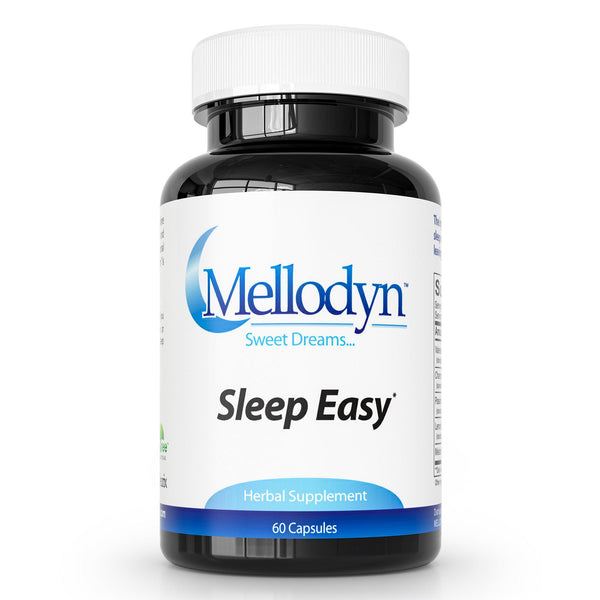
Most people struggle to fall asleep early because modern life keeps pulling the body clock later than nature intended. Bright screens, irregular schedules, and racing thoughts at night all push back the natural signals to wind down. Three factors do the most damage.
A delayed circadian rhythm shifts the internal clock toward later sleep and wake times. Genetics play a part,⁴ but daily choices nudge the schedule even further off. People who stay up scrolling or working late train the brain to expect activity well into the wee hours, which delays the release of the sleep hormone melatonin.
Blue light⁶ from phones, tablets, and TVs tricks the brain into thinking it is still daytime. That signal blocks melatonin, the hormone that helps regulate sleep patterns. Even a quick email check-in in a brightly lit bathroom right before bed can disrupt sleep for an hour or more.
Late-night habits⁷ often sabotage the goal of going to bed earlier. Heavy meals, caffeine after lunch, intense workouts, and stressful conversations all raise alertness when the body should be cooling down. Mentally running through a to-do list in bed also keeps busy thoughts churning long past lights out.

Shifting bedtime tonight starts with small, controllable changes rather than one big overhaul. Tiny adjustments compound across a week. Use these moves to sleep sooner without forcing it.
Move bedtime fifteen minutes earlier each night until the target time is reached.
Keep a strict morning wake time, even on weekends, to anchor a regular sleep schedule.
Power down cell phones, laptops, and TVs at least 1 hour before bed to reduce blue light exposure.
Tell a partner, friend, or family member about the new bedtime goal to keep accountability high.
Bedroom setup plays a bigger role in sleep quality⁵ than most people expect. Temperature, light, and comfort all signal the brain that it is safe to drift off. A few low-cost tweaks can make a big difference for good sleep.
Set the thermostat between 60 and 67 degrees Fahrenheit, since a cooler room helps core body temperature drop and promote sleep.
Hang blackout curtains or use a sleep mask to block streetlights and early morning sun that disrupt sleep.
Replace flat or lumpy pillows with ones that support the neck in a neutral position, which reduces tossing through the night.
Specific relaxation techniques can shorten the gap between lying down and drifting off. These methods calm the nervous system so the body stops racing and starts settling. Three approaches stand out for anyone with difficulty falling asleep.
The 4-7-8 breathing technique uses slow, rhythmic breathing to quiet the nervous system. Inhale through the nose for four counts, hold the breath for seven, then exhale through the mouth for eight. Four cycles before bed can reduce anxiety and help the body feel sleepy faster.
Progressive Muscle Relaxation (PMR)¹ guides attention through each muscle group, from the feet to the forehead. Tense one area for about five seconds, then release it for ten. Working slowly upward releases stored tension and helps the body fall asleep earlier without forcing the process.
Short audio guided meditations give the mind something gentle to follow when racing thoughts will not quiet down. Ten to fifteen minutes is usually enough to slow brain activity. Pick a voice that feels calming and keep the volume low so the audio fades into the background as sleep takes over.
Dim the lights, turn off screens, and give your body a consistent signal that it is time to rest. Mellodyn Sleep Easy can be part of that simple wind-down plan.
Support Your Night RoutineEvening habits shape how quickly the body shifts into sleep mode each night. Food, drinks, and snack choices in the hours before bed either support or sabotage healthy sleep. Three eating habits matter most.
Heavy meals close to bedtime force the digestive system to work overtime when the body should be winding down. Large, fatty, or spicy dinners often trigger heartburn and restless tossing. Finish eating at least two to three hours before going to bed to support better sleep efficiency.
Caffeine can linger in the body for six hours or more, which is why a 3 p.m. coffee can still disrupt sleep at 11 p.m. Avoid caffeine after lunch to give the system time to clear it out. That includes soda, energy drinks, dark chocolate, and many teas.
A small protein snack one to two hours before bed³ can keep blood sugar steady through the night. Try a handful of almonds, a slice of turkey, or plain Greek yogurt. Steadier blood sugar can reduce middle-of-the-night wake-ups and help people stay asleep longer.

Sudden bouts of sleeplessness call for a different approach than long-term sleep problems. Lying in bed, frustrated, only trains the brain to associate the bed with stress. Three steps can break that loop.
Getting out of bed after about twenty minutes of failed sleep attempts protects the brain's bed-equals-sleep link. Move to a dim, quiet room and do something calm like reading a paper book. Return to bed only when drowsiness clearly comes back.
A worry journal moves the mental clutter of work tomorrow, family stress, or unfinished tasks out of the head and onto paper. Spend five to ten minutes listing concerns and one small next step for each. Many sleep experts suggest this before lights out to settle busy thoughts.
Resetting the standard routine the next morning matters more than chasing more sleep the next afternoon. Skip long naps, step into sunlight within an hour of waking, and stick to the regular bedtime that evening. One rough night does not need to grow into a pattern.
Professional help becomes necessary when sleep problems last more than a few weeks despite consistent changes. A sleep specialist or primary care provider can check for sleep disorders that home strategies cannot fix. Two warning signs stand out.
Persistent difficulty falling asleep three or more nights a week for more than a month often points to primary insomnia. Current research and recent meta-analysis reviews suggest cognitive behavioral therapy for insomnia outperforms sleep medicine for long-term relief.² A clinician can guide that process.
Loud snoring, gasping awake, or constant daytime tiredness despite eight hours in bed can point to sleep apnea or other sleep disturbances. Chronic conditions like restless legs syndrome and shift-work sleep issues also call for medical expertise. A sleep study often gives the clearest answer.
A better night's sleep starts with one or two small choices tonight, not a full life overhaul. Dim the lights an hour earlier, drop the thermostat a few degrees, swap the late scroll for a round of deep breathing, and let the body catch on. Consistency beats perfection every time, so pick the easiest change first and build from there. Anyone serious about learning how to sleep early can find more wellness resources at Bioneurix and start the shift tonight.
Consistency is what turns one better night into a steady sleep routine. Add Mellodyn Sleep Easy to your evening routine and build a calmer path to bedtime.
Shop Mellodyn Sleep EasyMost people can shift a sleep schedule by one to two weeks with consistent wake times, morning sunlight, and a steady bedtime.
Yes, blue light exposure from screens within an hour of bed lowers melatonin and can reduce overall sleep quality, including deep sleep stages.
Small servings of tart cherries, kiwi, almonds, oats, and turkey contain nutrients that help the body feel sleepy and support natural melatonin production.
Yes, a regular sleep schedule with a fixed wake time strengthens the circadian rhythm and helps the body feel tired at roughly the same hour each evening.
Stress hormones, late blue light exposure, and racing thoughts can override physical tiredness and keep the brain alert past a reasonable hour.
Track sleep patterns for 2 weeks, note caffeine and alcohol intake, list current medications, and write down specific symptoms such as snoring or daytime fatigue to share with the sleep specialist.
Donato, K. O., Falcão, L., Nishizima, A., Oliveira, A. S., Gonzalez, J. V., Ribeiro, N. N., Abbud, C., Braga, G. A., Garrido, G., Donato, A. O., Eckeli, A., Cruz, M. M. E., & Salles, C. (2026). Progressive muscle relaxation technique improves sleep quality and mental health: A systematic review and meta-analysis of randomized controlled trials. Journal of psychosomatic research, 203, 112563. https://doi.org/10.1016/j.jpsychores.2026.112563
Furukawa, Y., Sakata, M., Furukawa, T. A., Efthimiou, O., & Perlis, M. (2024). Initial treatment choices for long-term remission of chronic insomnia disorder in adults: a systematic review and network meta-analysis. Psychiatry and clinical neurosciences, 78(11), 646–653. https://doi.org/10.1111/pcn.13730
Kinsey, A. W., & Ormsbee, M. J. (2015). The health impact of nighttime eating: old and new perspectives. Nutrients, 7(4), 2648–2662. https://doi.org/10.3390/nu7042648
Lane, J. M., Qian, J., Mignot, E., Redline, S., Scheer, F. A. J. L., & Saxena, R. (2023). Genetics of circadian rhythms and sleep in human health and disease. Nature reviews. Genetics, 24(1), 4–20. https://doi.org/10.1038/s41576-022-00519-z
Lappharat, S., Taneepanichskul, N., Reutrakul, S., & Chirakalwasan, N. (2018). Effects of Bedroom Environmental Conditions on the Severity of Obstructive Sleep Apnea. Journal of clinical sleep medicine : JCSM : official publication of the American Academy of Sleep Medicine, 14(4), 565–573. https://doi.org/10.5664/jcsm.7046
Mortazavi, S. M., Mortazavi, S. A., Habibzadeh, P., & Mortazavi, G. (2016). Is it Blue Light or Increased Electromagnetic Fields which Affects the Circadian Rhythm in People who Use Smartphones at Night. Iranian journal of public health, 45(3), 405–406.
Reichert, C. F., Deboer, T., & Landolt, H. P. (2022). Adenosine, caffeine, and sleep-wake regulation: state of the science and perspectives. Journal of sleep research, 31(4), e13597. https://doi.org/10.1111/jsr.13597