Your Cart is Empty


Vitamin D is the one nutrient your body can make from sunshine. That's lucky, because few foods carry much of it. So what has vitamin D? Fatty fish, cod liver oil, and mushrooms grown under ultraviolet (UV) light lead the list, followed by fortified milk, plant milks, and cereal.
BioNeurix® writes about the nutrients behind mood and energy. Many people are short on vitamin D, especially in winter, and low levels can weaken bones over time. Here are 15 foods ranked from most to least vitamin D, so you can see which ones actually move the needle.
Amoryn includes Vitamin D3 (cholecalciferol), B vitamins, and herbal extracts in a formula made for mood support. As you explore vitamin D foods, get to know the complete formula and consider what fits your wellness routine.
Explore Amoryn Mood Booster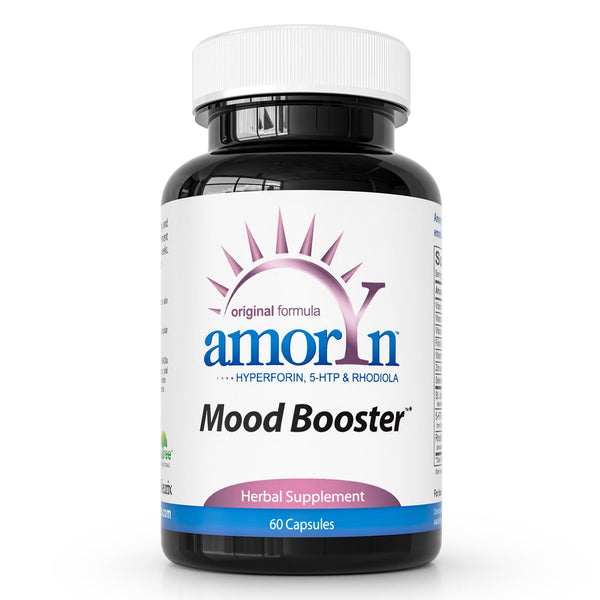
Vitamin D is a fat-soluble vitamin with an unusual twist: the body can make it. That twist explains why so few foods carry much of it and why people call it the sunshine vitamin. Food and dietary supplements add to what your skin makes.
Skin can synthesize vitamin D when ultraviolet B (UVB) rays from the sun hit it. The liver and kidneys then change it into its active form, called calcitriol.
This active vitamin helps the gut pull calcium and phosphorus from food, a step known as intestinal absorption. Bones need both minerals to harden, a process called bone mineralization. Without vitamin D, calcium absorption and phosphorus absorption drop.
Vitamin D also supports muscle function and the immune system by helping guide immune responses. Cells in blood vessels and many other tissues also have vitamin D receptors.
The recommended dietary allowance (RDA) for vitamin D is 600 international units (IU) a day for ages 1 to 70. Adults over 70 need 800 IU, according to the National Institutes of Health (NIH).³
Some labels list micrograms (mcg) instead of IU. One microgram equals 40 IU, so 600 IU is 15 mcg and 800 IU is 20 mcg.

Fatty fish and fish oil have the most vitamin D of any food. One produce-aisle surprise makes the top four too. The vitamin D content below is shown as a percent Daily Value (DV), based on the adult DV of 800 IU.
One tablespoon of cod liver oil has 1,360 IU, or 170% of the DV. It's also loaded with vitamin A, and a single tablespoon can go past the daily upper limit for adults. Stick to the serving size on the label, because more isn't better.
A 3-ounce serving of cooked farmed rainbow trout has 645 IU, or 81% of the DV. That's more than a full day's RDA for adults under 70.
Three ounces of cooked sockeye salmon has 570 IU, or 71% of the DV. Amounts vary by type, and wild salmon usually has more than farmed. Canned salmon costs less and still counts.
A half cup of white mushrooms exposed to UV light has 366 IU, or 46% of the DV. Regular mushrooms grown in the dark have almost none. Look for “UV-treated” or “high in vitamin D” on the package.
Milk, plant milks, orange juice, cereal, and some yogurts are the main fortified foods with vitamin D. Together, fortified foods supply most of the vitamin D in the American diet. Amounts vary by brand, so the Nutrition Facts label has the final say.
One cup of 2% cow's milk has 120 IU, or 15% of the DV. Nearly all milk sold in the U.S. is fortified with vitamin D, and it also supplies dietary calcium, the partner mineral that keeps bones healthy.
One cup of fortified soy, almond, or oat milk has 100 to 144 IU, or 13% to 18% of the DV. Not every brand adds vitamin D, so check the carton before you buy.
One cup of fortified orange juice has about 100 IU, or 13% of the DV. It's a useful swap for people who skip dairy, though only some brands add vitamin D.
A serving of cereal fortified with 10% of the DV has 80 IU. Add a cup of fortified milk, and the bowl reaches about 200 IU.
Six ounces of fortified yogurt has about 80 IU, or 10% of the DV, and a few brands add more. Many yogurts have none at all, since cheese and yogurt usually aren't fortified the way milk is.
Vitamin D3 (cholecalciferol) is one ingredient in Amoryn. Review the complete formula with your doctor or pharmacist, including how it fits with your medicines, other supplements, and total vitamin D intake.
Review the Amoryn FormulaSardines, eggs, beef liver, tuna, cheese, and chicken all have some vitamin D, though each serving adds only a small amount. These dietary sources still count toward your daily total:
10. Canned sardines in oil: 46 IU for 2 sardines, or 6% DV
11. Eggs: 44 IU per large egg, or 6% DV, found in egg yolks rather than whites
12. Beef liver: 42 IU per 3 ounces, or 5% DV
13. Light tuna, canned in water: 40 IU per 3 ounces, or 5% DV
14. Cheddar cheese: 17 IU per 1.5 ounces, or 2% DV
15. Chicken breast: 4 IU per 3 ounces, or less than 1% DV
Meat and eggs also carry a form called 25-hydroxyvitamin D (25(OH)D) that standard food data leaves out. One study found that counting it makes these foods 2 to 18 times richer in vitamin D, though scientists are still learning how much the body uses. Most other foods, like fruits, vegetables, and grains, have close to none.

Food alone rarely covers a full day's vitamin D needs. Sun exposure and, for some people, vitamin D supplements fill the gap.
Adults need 600 to 800 IU a day, but the typical American diet supplies only about 170 to 200 IU. Reaching the target through dietary intake alone would mean eating fatty fish several times a week plus fortified foods every day. A balanced diet helps, but most people still fall short.
Federal dietary guidelines from the U.S. Department of Health and Human Services have long listed vitamin D as a nutrient most Americans don't get enough of.⁴The expert committee behind the 2025 to 2030 edition flagged it again.
For many people, sunlight exposure supplies more vitamin D than food does. In northern areas, winter sun is often too weak for the skin to make much, and window glass blocks UVB rays completely. That's why the U.K.'s National Health Service (NHS) advises everyone to consider 400 IU a day in fall and winter.²
UV rays are also the most preventable cause of skin cancers, so doctors don't suggest tanning to boost vitamin D. Sunscreen still lets some vitamin D form, since most people don't apply enough to block it all.
Vitamin D deficiency is more likely when the skin makes less vitamin D or the gut absorbs less of it. These groups have an increased risk of running low:
People who stay most of the day indoors or keep skin covered, since they get little exposure to sunlight
People with darker skin, because more melanin means the skin makes less vitamin D
Older adults, whose skin makes vitamin D less efficiently
People with obesity, since body fat traps more of the vitamin
People with Crohn's disease, celiac disease, cystic fibrosis, or liver disease, which can limit fat absorption
Breastfed infants, because breast milk is low in vitamin D
When vitamin D levels stay low, the body releases more parathyroid hormone, which pulls calcium from bone and can lower bone density. More severe deficiency can cause bone pain and muscle weakness. Many people notice no signs at first, which is why testing matters.
A blood test is the only reliable way to check vitamin D levels. It's quick, and a doctor can add it to your next blood draw.
The 25(OH)D test measures the main form of vitamin D in the blood. It reflects what you get from sun, food, and supplements combined.
Doctors usually order it for people with risk factors or bone loss, including many postmenopausal women. The Endocrine Society does not recommend routine testing for healthy people.
Results come in nanograms per milliliter (ng/mL). Below 12 ng/mL counts as deficient, and 12 to 20 ng/mL may be too low for bone health. Above 20 ng/mL is adequate for most people, while levels above 50 ng/mL may cause problems.
Experts still disagree on the ideal number. Ask your doctor which target fits you.

Vitamin D supplements can help people who don't get enough vitamin D from food and sun. As with other dietary supplements, a few details make them work better and safer.
Vitamin D comes in two forms, D2 and D3. Most studies show D3 raises blood levels more and keeps them up longer. D2 comes from yeast or mushrooms, and a vegan D3 made from lichen is also sold.
Vitamin D is fat-soluble, so a meal with some fat helps your body absorb more. Eggs, avocado, or a salad dressed with olive oil all work.
The upper limit for adults is 4,000 IU a day. Many vitamin D supplements contain 1,000 IU or 2,000 IU, so check any multivitamin you take before adding additional vitamin D. Too much can push blood calcium to unsafe levels.
Vitamin D can also interact with steroids like prednisone, some water pills, and the weight-loss drug orlistat. If you take any of these, ask your doctor before starting vitamin D or calcium supplements.
Vitamin D supplementation has the clearest benefit for skeletal health. In postmenopausal women and older men, trials show vitamin D with calcium may slightly raise bone density. It's still unclear if that means fewer broken bones. For healthy bones, experts advise getting enough calcium from food first and using supplements only if needed.
Research suggests vitamin D may matter for other chronic diseases, but the results are mixed. In one large trial, vitamin D supplements didn't lower rates of breast cancer or prostate cancer, and studies on autoimmune diseases are still early.¹ So far, vitamin D isn't a proven tool for cancer prevention.
Fatty fish, cod liver oil, and UV-exposed mushrooms top the list of vitamin D sources, and fortified foods fill in the rest. Still, most people fall short on food alone, and low levels may even affect mood. Add one food from the top nine to this week’s meals, and if winter is coming, ask your doctor about a vitamin D blood test.
For extra mood support, BioNeurix’s Amoryn is one option, with 400 IU of vitamin D3 plus B vitamins and herbal extracts. One of those herbs, St. John’s wort, interacts with antidepressants and birth control pills, so check with your doctor first. You can make your first swap at your next meal.
Keep vitamin D foods on your menu as you explore Amoryn, which includes Vitamin D3 (cholecalciferol), St. John's wort, and other ingredients. Ask your doctor or pharmacist about suitability, especially if you take medication.
Shop Amoryn Mood BoosterFruit has almost no vitamin D naturally, so fortified orange juice, with about 100 IU per cup, is the main fruit-based option.
One large egg has about 44 IU of vitamin D, and it's all in the yolk.
Fortified cow's milk, soy milk, almond milk, oat milk, and some brands of orange juice have added vitamin D, so check the label.
Sunlight on bare skin, fatty fish like trout and salmon, and UV-exposed mushrooms are the best natural sources of vitamin D.
Low vitamin D often causes no signs, though a severe deficiency can lead to tiredness, bone pain, and muscle weakness.
National Cancer Institute. (2018, December 13). Vitamin D supplements don't reduce cancer incidence, trial shows. https://www.cancer.gov/news-events/cancer-currents-blog/2018/vitamin-d-supplement-cancer-prevention
National Health Service. (n.d.). Vitamin D. https://www.nhs.uk/conditions/vitamins-and-minerals/vitamin-d/
National Institutes of Health, Office of Dietary Supplements. (2025, June 27). Vitamin D: Fact sheet for health professionals. https://ods.od.nih.gov/factsheets/VitaminD-HealthProfessional/
U.S. Department of Health and Human Services & U.S. Department of Agriculture. (2026). Dietary Guidelines for Americans, 2025–2030. https://odphp.health.gov/our-work/nutrition-physical-activity/dietary-guidelines/current-dietary-guideline