Your Cart is Empty


(Last Updated: May 2025)
What is euthymic mood? It is a question that often arises when seeking to understand the middle ground between emotional extremes. Far from being just "feeling okay," euthymia represents a crucial baseline of emotional stability where you can respond to life's ups and downs with resilience and clarity.
For many, this concept is key to understanding long-term mental wellness, especially when navigating the complexities of mood fluctuations. It is not about the absence of feelings, but rather the presence of a grounded rhythm that allows you to experience joy and sorrow without losing your footing.
In this article, we will explore the definition of euthymia, how it differs from happiness or depression, and why it is a vital component of psychological health. We will also discuss practical, natural ways to support this steady state, helping you cultivate a more peaceful and productive daily life.
If your moods swing more than you'd like, the right daily support can help you find your baseline. Amoryn Mood Booster uses clinically studied ingredients to support emotional balance, naturally.
Learn More About Amoryn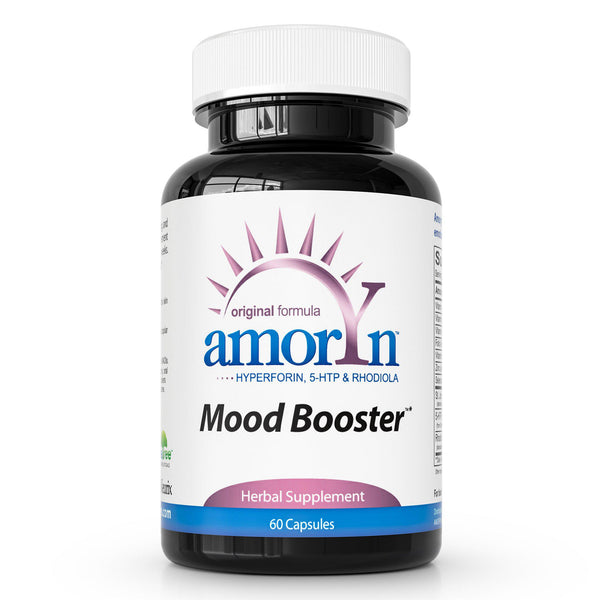
A euthymic mood is a state where a person’s mood feels steady and balanced. It’s not marked by strong positive affects like intense joy or negative feelings like deep sadness. Instead, it’s a calm, neutral state where someone feels emotionally stable. In everyday terms, it’s when your emotions aren’t swinging too far in either direction—you’re not overly excited or upset, just steady.2
People in a euthymic state can go about their daily life without being pulled down by depression or lifted into a manic or hypomanic episode. This mood state is often viewed as part of emotional stability, which can be supportive for individuals managing conditions like bipolar disorder. Supplements like Amoryn are formulated to help support this kind of balanced emotional state.
Feeling happy means experiencing a positive mood or an increased feeling of joy while being depressed involves negative emotions, sadness, or a lack of interest. A euthymic mood doesn’t sit at either extreme. It’s about emotional reaction control, where a person can respond appropriately to situations without becoming overwhelmed.
This doesn’t mean no feeling or joy—people in a euthymic phase can still feel pleasure, but their reactions stay balanced. Emotional resilience is a key part of euthymia, helping individuals avoid the intense highs and lows often seen in bipolar episodes or depressive episodes.

Maintaining a stable mood may support overall mental well-being and support a more peaceful, productive life. A euthymic mood may help support clearer thinking and more consistent daily functioning.
When a person’s mood is balanced, there’s less chance of getting stuck in mental fog or confusion. Thoughts become clearer, and tasks feel easier to manage. This can lead to better decision-making and stronger attention throughout the day.6
A stable mood state reduces emotional distractions, which helps with planning and following through on daily responsibilities. For people managing a mental health condition, staying in a euthymic state can mean more consistent productivity at work or school.
Life brings stress, loss, change, and even excitement. A euthymic mood gives a steady foundation to handle these moments without extreme emotional reaction. It makes it easier to stay calm during challenges.
This balance supports coping strategies that prevent setbacks during difficult times. People with bipolar disorder or anxiety disorder often work with a healthcare provider to help maintain euthymia and reduce the risk of relapse from mood disturbances.4
Over time, emotional stability contributes to better psychological well-being. It supports stronger relationships, improved communication, and fewer misunderstandings fueled by mood swings or reactive behavior.
Better sleep, more stable energy, and emotional balance are often observed in individuals experiencing longer periods of mood stability. Research even shows that a dramatic reduction in episodes can improve both physical health and mental resilience.3

Many things can make it harder to stay in a euthymic mood, especially for people with a mental health condition like bipolar disorder or anxiety disorder. These influences include daily habits, brain chemicals, and how well a person understands and manages their feelings.
Everyday choices can affect how the brain and body handle emotions. Poor sleep, skipping meals, or dealing with constant stress may pull someone out of a stable mood and lead to more intense mood disturbances.
Common lifestyle factors that may disrupt a euthymic state:
Sleep problems, especially inconsistent sleep or insomnia
Low-quality nutrition lacking in brain-supportive nutrients
High stress from work, relationships, or financial pressure
Lack of movement or physical activity
Too little daylight exposure, which can affect mood-related hormones
The brain uses chemicals like serotonin and dopamine to help manage mood. If levels are too high or too low, this may lead to mood swings, low energy, or trouble focusing. These imbalances are often seen in bipolar episodes and major depression.
Hormones also play a role in how a person's mood shifts. Changes in estrogen, cortisol, or thyroid hormones can affect how someone feels day to day, especially in people already living with mood disorders.
Not noticing early signs of mood changes can make it harder to stay balanced. Many people with bipolar disorder benefit from self-observation—a way to track how they feel over time.Living without structure or daily routines can also make a stable period harder. Without regular sleep, meals, or breaks, the brain and body have to work harder to stay in a neutral state.
Maintaining emotional balance is an ongoing process, and some people explore daily mood support options like Amoryn as part of their routine.
Stress, poor sleep, and brain chemistry shifts can pull you off balance. Amoryn combines saffron, B vitamins, and other research-backed ingredients to support a calmer, more even mood every day.
See How Amoryn WorksSimple daily choices can help maintain euthymia and protect against negative feelings or strong emotional shifts. Natural options can support both body and mind in staying balanced.
Some nutrients help support brain health and emotional control. Research shows that natural compounds can support a stable mood by helping the body manage stress and promote positive emotions.
Studies have explored the potential of ingredients like saffron extract, Rhodiola rosea, magnesium, and L-theanine in supporting calmness and focus as part of overall wellness. These can be helpful for people with bipolar disorder, anxiety, or other mood disorders.
Everyday actions can help the brain stay grounded and focused. Small steps add up and make it easier to stay in a euthymic mood.
Mood-friendly habits include:
Moving your body daily, even gentle stretching or walking
Eating nutrient-rich meals that support the brain
Getting sunlight exposure, especially in the morning
Taking short breaks for deep breathing or quiet time
Connecting with others, even in small, meaningful ways
Some people benefit from natural supplements made to support emotional balance. These often include ingredients that reduce stress, improve focus, and encourage a positive mood.
Brands like BioNeurix offer supplements designed to help people maintain euthymia using researched compounds. These options, such as Amoryn Mood Booster, may complement a broader wellness approach and be discussed with a healthcare provider to support emotional balance.

Living in a euthymic mood feels like moving through the day with steadiness. There’s a sense of being calm, clear-headed, and able to respond appropriately to good and challenging moments. Positive feelings are present but not overwhelming, and negative emotions don’t take over.
A person in this state may feel more in control, open to change, and able to enjoy small things without being thrown off course. This emotional balance can help someone feel more connected, focused, and grounded—no matter what the day brings.
A euthymic mood reflects emotional steadiness, in which a person moves through life with clarity and calm—neither too reactive nor disconnected. It doesn’t require eliminating all negative emotions or reaching constant joy, but rather maintaining a grounded emotional rhythm. Through consistent lifestyle changes, awareness of mood disturbances, and thoughtful use of natural treatments and supplements, people living with or without a mental health condition can support this balanced emotional state. Recognizing the role euthymia plays in long-term psychological well-being offers a practical, hopeful path forward for anyone aiming to feel more present, focused, and in control of their daily life.5
Emotional steadiness takes consistent support. Amoryn Mood Booster helps you stay grounded with a daily formula built on clinically studied ingredients. Try it and feel the difference.
Shop Amoryn NowA euthymic mood is a balanced, stable emotional state without signs of depression, mania, or intense mood swings.
No, euthymia means emotional steadiness, not constant happiness—it includes the ability to experience both positive and negative emotions in a healthy way.
Yes, many people support a euthymic mood through sleep, nutrition, stress reduction, self-observation, and natural supplements.
Disrupted sleep, chronic stress, hormonal shifts, and poor emotional awareness can interfere with mood stability.
Some studies suggest that natural ingredients like saffron extract, magnesium, and Rhodiola may help support mood balance as part of a healthy lifestyle.
Brambilla, C., Gavinelli, C., Delmonte, D., Fulgosi, M. C., Barbini, B., Colombo, C., & Smeraldi, E. (2012). Seasonality and sleep: a clinical study on euthymic mood disorder patients. Depression research and treatment, 2012, 978962. https://doi.org/10.1155/2012/978962
Fava, G. A., & Guidi, J. (2020). The pursuit of euthymia. World psychiatry : official journal of the World Psychiatric Association (WPA), 19(1), 40–50. https://doi.org/10.1002/wps.20698
Guidi, J., & Fava, G. A. (2020). The emerging role of euthymia in psychotherapy research and practice. Clinical psychology review, 82, 101941. https://doi.org/10.1016/j.cpr.2020.101941
Henry, C., Van den Bulke, D., Bellivier, F., Roy, I., Swendsen, J., M'Baïlara, K., Siever, L. J., & Leboyer, M. (2008). Affective lability and affect intensity as core dimensions of bipolar disorders during euthymic period. Psychiatry research, 159(1-2), 1–6. https://doi.org/10.1016/j.psychres.2005.11.016
Merlo, E. M., Sicari, F., Myles, L. A. M., & Settineri, S. (2024). Euthymia, Psychological Well-Being, and Professional Quality of Life in Health Care Workers. Clinical neuropsychiatry, 21(4), 266–275. https://doi.org/10.36131/cnfioritieditore20240403
Nowakowska, C., Strong, C. M., Santosa, C. M., Wang, P. W., & Ketter, T. A. (2005). Temperamental commonalities and differences in euthymic mood disorder patients, creative controls, and healthy controls. Journal of affective disorders, 85(1-2), 207–215. https://doi.org/10.1016/j.jad.2003.11.012