Your Cart is Empty


Feeling constantly wound up makes it incredibly challenging to navigate daily responsibilities and achieve restful nights. Finding a gentle, natural way to quiet a racing mind often leads individuals to explore time-tested herbal supports. Integrating a soothing botanical ritual offers a comforting way to signal to the body that it is safe to relax.
Understanding valerian tea benefits empowers individuals to take a proactive approach to managing occasional tension. Roughly 30% of people struggle to fall asleep at night, making effective sleep support a major priority.
Mellodyn Sleep Easy contains 500 mg of valerian extract, along with chamomile, passion flower extract, lemon balm, melatonin, and other ingredients selected to support a calming nighttime routine.
Explore Mellodyn Sleep Easy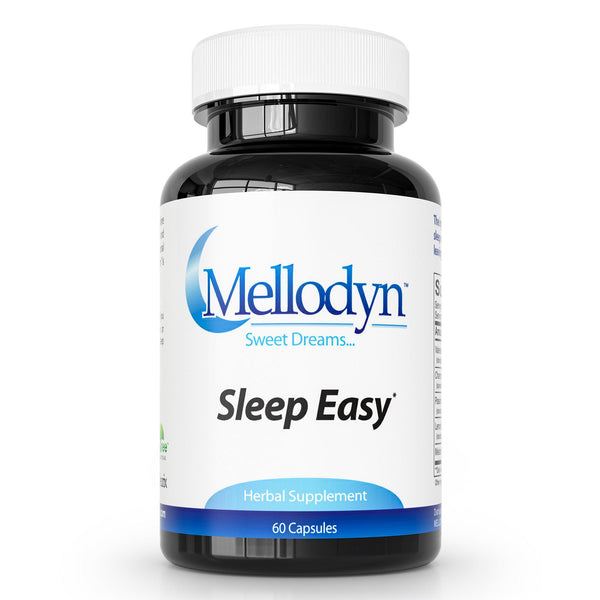
Valerian tea is derived from the root of the Valeriana officinalis plant, which is native to Europe and parts of Asia. This distinctly aromatic botanical has been cultivated and used for centuries to promote physical and mental tranquility.
People have relied on the valerian plant for insomnia since ancient Greece. Historical records show that underground stems were highly valued in traditional medicine. During World War II, individuals in the U.K. even used the herb for stress relief during intense air raids.⁵ The root's distinct smell might seem strong at first, but many find the resulting natural tea quite comforting.
Modern consumers can access the potential benefits of valerian through various formats, including dietary supplements and liquid extracts. Some prefer drinking valerian root tea, while others opt for a standardized extract in capsule form. Early research highlights that these different preparations offer versatile ways to experience the plant's calming qualities.

Certain plant-based compounds naturally help the brain slow down by interacting with key inhibitory neurotransmitters. Valerian is believed to increase gamma-aminobutyric acid in the brain, which helps quiet hyperactive nerve signals.
Science points to specific active compounds in valerian root extract as the source of its calming effect. Valerenic acid in valerian root may reduce anxiety⁶ by preventing the breakdown of gamma-aminobutyric acid. When these neurotransmitter levels remain stable, the nervous system transitions more easily into a state of rest. Pharmaceutical research continues to explore how these mechanisms mimic the sedative effects of synthetic options.
This herbal remedy offers a natural alternative for individuals seeking to unwind without resorting to heavy medications. Studies suggest that valerian tea is known for its mild sedative properties, helping the body release stored tension. Promoting relaxation naturally allows the body to prepare for rest without forcing an unnatural chemical shutdown.
A warm, earthy cup of this herbal infusion provides a noticeable sense of calm during moments of heightened daily pressure. Drinking valerian tea can help alleviate stress by soothing the body's fight-or-flight response.
Many people turn to this herbal tea to soften the edges of a particularly demanding day. Valerian root may have an anxiolytic effect, meaning it gently diminishes feelings of worry or nervousness. A recent systematic review noted that incorporating the tea into an evening routine helps clear the mind of racing thoughts before bed.
Stress rarely stays confined to the mind; it often manifests as physical tension across the shoulders and neck. The relaxing components of the root help physically loosen these tight muscles. When the physical body feels relaxed, the mind usually follows, making it easier to manage daily pressures.
Mellodyn Sleep Easy combines melatonin with 500 mg of valerian extract and calming botanicals such as chamomile, passion flower extract, and lemon balm in one convenient formula.
Review the Full Ingredient ListBeyond soothing a frazzled mind, this versatile botanical offers comprehensive support for several other common physical discomforts. Consider these additional wellness advantages associated with regular use:
Supporting healthy, uninterrupted sleep patterns and overall sleep quality
Easing physical cramps and discomforts related to premenstrual syndrome
Alleviating occasional stress-related digestive upset and indigestion symptoms
Valerian tea is commonly used to treat insomnia⁷ in traditional settings, though modern wellness focuses on simply helping people sleep better. Research suggests that drinking valerian tea increases the duration of deep sleep, allowing individuals to wake up feeling more refreshed. While one cup of valerian tea may treat sleeplessness for some, research on valerian's effectiveness for sleep is sometimes inconsistent across broad populations.
The herb's relaxing properties extend well beyond simple sleep-inducing effects. Valerian root may help alleviate menstrual cramps and PMS by relaxing the uterine muscles. Additionally, up to 80% of menopausal women experience hot flashes,¹ and one study showed valerian root reduced hot flash severity³ in menopause over a span of 8 weeks. An article in the Iranian Journal of Public Health also highlighted its usefulness in managing these frustrating menopause symptoms.
Stress takes a heavy toll on the digestive system, frequently causing an upset stomach or nervous nausea. Valerian root tea helps ease gut spasms directly linked to tension. The antioxidants in valerian root help relax the smooth muscle in the gut, providing natural relief for associated digestive disorders.
Different botanical blends serve unique purposes, making it important to choose the right herb for specific relaxation goals. Comparing valerian to other herbs helps individuals build a customized wellness routine.
Chamomile provides a very mild, soothing effect that works well for daytime relaxation. It lacks the stronger sedative properties of valerian extract, making it ideal for a gentle afternoon pause.
Passion flower frequently appears alongside valerian in sleep support blends. While passion flower calms racing thoughts,⁴ valerian root tea offers a heavier, more physically relaxing sensation perfect for the late evening.
Preparing the root correctly ensures the maximum extraction of the beneficial essential oils and active compounds. Follow these simple steps for an optimal and soothing cup:
Steeping the dried root in hot water for ten to fifteen minutes
Adding a small amount of food like honey to balance the naturally earthy flavor
Enjoying the cup roughly one hour before the desired bedtime

While botanicals are generally recognized as safe dietary supplements, introducing new botanicals to a wellness routine requires a mindful evaluation of personal health profiles. Most adults tolerate short-term use very well, but understanding safety guidelines remains crucial.
Because of its calming nature, valerian tea may cause drowsiness and should not be consumed before driving or operating heavy machinery. Some individuals report feeling slightly groggy the next morning if they brew the tea too strongly. It is best to test the tea on a weekend to see how the body reacts.
You must consult a healthcare professional before combining the tea with alcohol or taking medication for sleep. Valerian may interact with other sedative medications, magnifying their effects to a dangerous degree. Furthermore, the American Academy of Sleep Medicine recommends against using valerian for chronic insomnia, noting that treating sleep problems of that severity requires a comprehensive medical approach. Experts generally recommend short-term rather than long-term use until further research clarifies long-term safety.
Managing occasional tension and racing thoughts requires a balanced, holistic approach to daily wellness. Start by evaluating current stressors, prioritizing consistent sleep hygiene, and exploring the gentle, calming effects of herbal remedies. The National Institutes of Health (NIH) and various clinical trials continue to explore how botanicals support health,² emphasizing that more research will only broaden our understanding.
Take proactive steps today, perhaps by speaking with a healthcare provider, to nurture a balanced nervous system and cultivate a deeply peaceful daily routine.
Explore a multi-ingredient nighttime formula featuring valerian extract, chamomile, passion flower extract, lemon balm, melatonin, and other complementary ingredients.
Shop Mellodyn Sleep EasyDaily consumption is generally safe for short-term use, but you should speak with a healthcare provider before committing to long-term use.
The tea does not cause a high, but its mild sedative properties may lead to morning grogginess when consumed in large amounts.
Many individuals notice a calming effect within an hour, though the full benefits of valerian often build over several weeks of consistent use.
People taking prescription sedatives or managing severe medical conditions should avoid the tea until cleared by a doctor.
Yes, blending valerian with other herbs like chamomile or passion flower is a common way to enhance overall relaxation and sleep.
Avis, N. E., Crawford, S. L., & Green, R. (2018). Vasomotor symptoms across the menopause transition: Differences among women. Obstetrics and Gynecology Clinics of North America, 45(4), 629–640. https://doi.org/10.1016/j.ogc.2018.07.005
Coates, P. M., & Meyers, C. M. (2011). The National Institutes of Health investment in research on botanicals. Fitoterapia, 82(1), 11–13. https://doi.org/10.1016/j.fitote.2010.11.013
Ghazanfarpour, M., Sadeghi, R., Abdolahian, S., & Latifnejad Roudsari, R. (2016). The efficacy of Iranian herbal medicines in alleviating hot flashes: A systematic review. International Journal of Reproductive BioMedicine, 14(3), 155–166.
Janda, K., Wojtkowska, K., Jakubczyk, K., Antoniewicz, J., & Skonieczna-Żydecka, K. (2020). Passiflora incarnata in neuropsychiatric disorders—A systematic review. Nutrients, 12(12), 3894. https://doi.org/10.3390/nu12123894
National Institutes of Health, Office of Dietary Supplements. (2013, March 15). Valerian. https://ods.od.nih.gov/factsheets/valerian-HealthProfessional/
Shinjyo, N., Waddell, G., & Green, J. (2020). Valerian root in treating sleep problems and associated disorders—A systematic review and meta-analysis. Journal of Evidence-Based Integrative Medicine, 25, 2515690X20967323. https://doi.org/10.1177/2515690X20967323
Yang, S., Zhang, H., Chen, L., Zhang, Z., Huang, L., Wang, W., Lu, W., Wang, Y., Wu, S., Hu, Z., Wang, S., Chen, R., & Liang, F. (2026). Valeriana species and insomnia: Multi-organ mechanisms and translational perspectives. Pharmaceutical Biology, 64(1), 615–638. https://doi.org/10.1080/13880209.2026.2652660