Your Cart is Empty


Finding a peaceful night of rest remains absolutely essential for maintaining physical energy and optimal cardiovascular function. Occasional sleeplessness often disrupts this natural recovery period, leading many individuals to turn to over-the-counter supplements to quickly calm an overactive mind. Fostering a truly restorative evening routine requires understanding exactly how these natural compounds interact with the body over time.
Exploring the current science on melatonin and cardiovascular disease empowers consumers to make well-informed, health-conscious decisions for long-term vitality. Sleep issues deserve careful attention, especially when considering adding a new supplement to a nightly regimen.
Explore Mellodyn Sleep Easy, a thoughtfully formulated option designed to support relaxation and help you settle into a more restful bedtime routine.
Explore Mellodyn Sleep Easy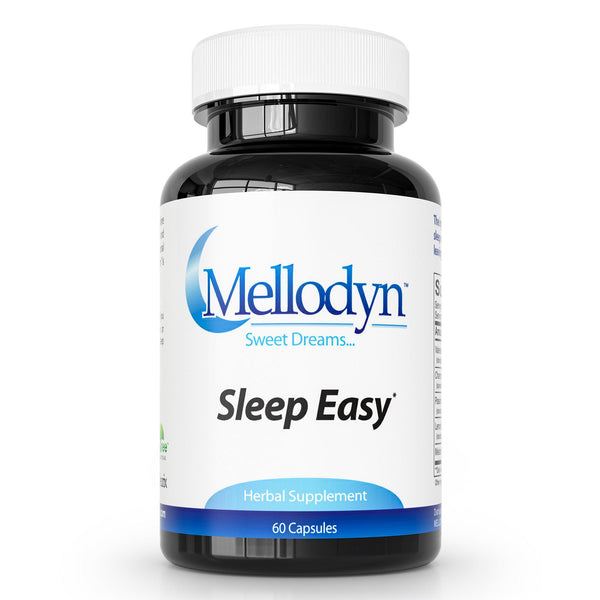
Recent discussions within the medical community provide valuable insights into the cardiovascular safety of common sleep aids. A recent study and a research abstract presented by the American Heart Association have sparked renewed interest in the safety profile of prolonged use of sleep aids.¹ Examining these findings helps clarify the true relationship between nightly sleep support and heart health.
Researchers examined electronic medical records to track adults prescribed melatonin. The main analysis of a preliminary study revealed that the melatonin group had a higher risk of heart problems than the non-melatonin group. Participants taking melatonin seemed to show an increased risk for events like heart failure hospitalization. These findings suggest that patients with underlying medical conditions should approach sleep aids with caution.
Spotting an association in health records does not mean the supplement directly causes cardiovascular disease. People often take melatonin because they suffer from chronic insomnia or sleep disorders, which are independent risk factors for heart disease. Poor sleep itself strains the heart long before any pill enters the body. Medical experts stress that more research is necessary to provide clear evidence separating the supplement's effects from those of poor rest.

The body naturally produces specific biological messengers that influence both the sleep-wake cycle and the relaxation of blood vessels throughout the night. The pineal gland naturally produces this hormone in the brain to prepare the nervous system for rest. Understanding this biological process highlights why adding extra hormones requires careful consideration.
Melatonin helps regulate the body's sleep-wake cycle and signals that it is time for bed. A consistent sleep schedule naturally supports healthy blood pressure as the body unwinds in the evening. Taking melatonin supplements can shift this internal clock, which sometimes alters nighttime blood pressure drops. Proper timing is critical to ensure the cardiovascular system rests fully during the early stages of sleep.
Scientific literature indicates that this hormone has antioxidant properties and interacts with inflammatory pathways² within blood vessels. While some peer-reviewed studies suggest a protective effect, administering high doses of synthetic melatonin might interfere with natural biological signals. Researchers are currently exploring how varying levels impact overall heart health across different populations and age groups.
A consistent evening routine can make it easier to prepare for rest. See how Mellodyn Sleep Easy may complement healthy sleep habits and nighttime relaxation.
See the FormulaEvaluating the safety of any wellness product often comes down to understanding the distinction between occasional, temporary relief and daily, indefinite use. Healthcare providers typically recommend sleep aids for the shortest duration possible. Using a supplement for a brief period carries different risks than making it a permanent nightly habit.
Short-term melatonin use is generally considered safe for managing temporary sleep disruptions like jet lag. A healthy body processes the compound quickly without placing undue stress on the heart. Many individuals find that a few nights of use promote better sleep and help reset the internal clock. Following the lowest effective dose ensures the body does not become overly reliant on external support.
Long-term melatonin use raises entirely different questions within the medical community. There is limited data regarding the cardiovascular safety of taking this supplement daily for at least one year. Prolonged exposure might alter how the body naturally produces its own hormones. Long-term melatonin consumers should regularly evaluate the continued need for the product with a healthcare provider.
Certain biological profiles and medical histories require a much more cautious approach when introducing external hormones to the nervous system. A one-size-fits-all approach to sleep support often ignores critical individual risk factors. Patients must understand how their specific medical history interacts with common sleep aids.
People currently managing heart failure or recovering from a cardiac event face a higher risk of complications. The cardiovascular system remains highly sensitive to changes in blood pressure and vascular tension. Anyone with established heart disease should always seek professional medical advice before trying a new sleep aid. A doctor can properly evaluate if the potential benefits outweigh the specific risks.
Chronic insomnia places intense, ongoing stress on the entire physical body. Individuals facing severe difficulty sleeping often escalate supplement doses when they fail to achieve a good night's sleep. This escalation increases the risk of side effects and ignores the root causes of the sleep issues. A targeted medical strategy provides better long-term relief than relying solely on high doses of over-the-counter products.
Combining an over-the-counter sleep support product with prescription medications sometimes alters how the body absorbs and processes essential treatments. Always consult a healthcare provider before mixing a new supplement with any of the following treatments:
Specific blood pressure medications and beta-blockers
Standard anticoagulants and blood thinners
Other central nervous system depressants
Navigating occasional sleeplessness requires careful coordination with medical professionals to ensure that evening relaxation efforts do not inadvertently disrupt cardiovascular stability. Creating a safe plan protects the heart while addressing frustrating sleep disturbances. Consistent communication with a medical team forms the foundation of safe sleep management.
Patients must discuss all over-the-counter supplements with a cardiologist during regular checkups. Sharing details about sleep habits and melatonin prescriptions provides the doctor with a complete picture of nightly health. This transparency helps the medical team identify potential risks early on. Open dialogue prevents dangerous interactions before they happen.
A routine review of all current prescription medications ensures nothing conflicts with evening sleep support. Pharmacists can cross-reference prescribed melatonin with existing heart medications to spot red flags. Keeping an updated list of all pills and vitamins prevents accidental overdoses or reduced drug efficacy. Safety relies on strict attention to detail from both the patient and the provider.

Fostering a naturally calming environment effectively signals the brain to wind down without the need to introduce external compounds into the digestive tract. Consider exploring these gentle, non-pharmacologic methods to encourage a smooth transition into slumber:
Practicing cognitive behavioral techniques designed for relaxation
Screening for physical disruptions like undiagnosed sleep apnea
Because the wellness market varies in regulatory oversight, identifying a reputable product requires careful attention to manufacturing standards. Melatonin supplements are not regulated by the Food and Drug Administration (FDA)³ in the United States, making quality control deeply important. Not all bottles on the pharmacy shelf contain the exact ingredients listed on the label. Selecting a trustworthy brand protects patients from hidden contaminants.
Consumers should look for products that undergo independent testing from recognized regulatory groups. Third-party verification ensures the supplement is free from heavy metals and harmful bacteria. This extra layer of security matters deeply for individuals with compromised health. Verified products offer peace of mind when prioritizing nighttime wellness.
Studies conducted in other countries often show significant discrepancies between actual pill potency and the packaging. Selecting a brand that guarantees strict dosage consistency prevents accidental hormone spikes. Taking exactly what is intended helps the body maintain a steady rhythm before bedtime. Precision matters when managing delicate biological systems.
Navigating the delicate balance between securing a good night's sleep and protecting long-term cardiovascular health requires a highly mindful approach. Start by evaluating current evening habits, tracking any noticeable physical symptoms, and discussing ongoing sleep struggles with a trusted physician.
Take proactive steps today to build a calming bedtime routine that supports both deep rest and a resilient, healthy heart.
Support your evening routine with Mellodyn Sleep Easy. Review the ingredients, directions, and product details to decide whether it fits your personal wellness plan.
Shop Mellodyn Sleep EasyRecent studies suggest a potential link between long-term melatonin use and increased risks for people with existing heart problems.
Taking this hormone can influence blood vessel relaxation and alter natural nighttime blood pressure patterns.
You must always consult a healthcare provider because sleep supplements can negatively interact with anticoagulants and beta-blockers.
Chronic insomnia places significant stress on the cardiovascular system and serves as an independent risk factor for heart disease.
Medical experts recommend using sleep support for the shortest duration possible, as melatonin is generally considered safe for short-term use but carries unknowns about long-term use.
American Heart Association. (2025, November 3). Long-term use of melatonin supplements to support sleep may have negative health effects [Press release]. https://newsroom.heart.org/news/long-term-use-of-melatonin-supplements-to-support-sleep-may-have-negative-health-effects
Luo, Z., Tang, Y. Y., & Zhou, L. (2024). Melatonin as an adjunctive therapy in cardiovascular disease management. Science Progress, 107(4). https://doi.org/10.1177/00368504241299993
Savage, R. A., Zafar, N., Yohannan, S., & Miller, J. M. M. (2024). Melatonin. In StatPearls. StatPearls Publishing. https://www.ncbi.nlm.nih.gov/books/NBK534823/