Your Cart is Empty


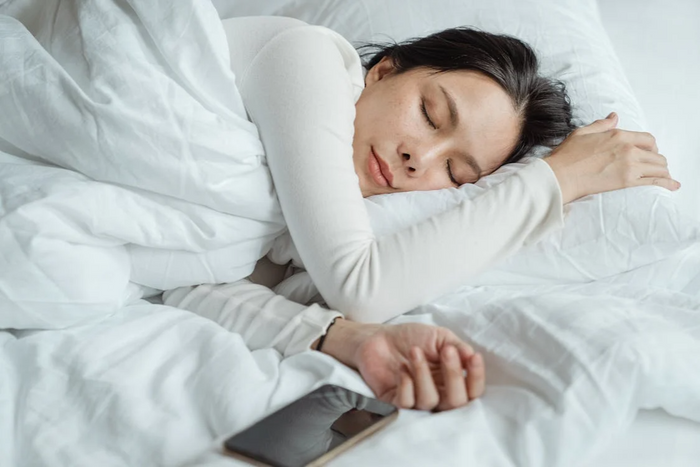
Sleep rituals are simple nightly habits that signal the brain it’s time to rest. From dimming lights to gentle stretching, these routines support relaxation and better sleep quality.

The gut microbiome and mental health are closely connected. See how gut balance influences mood, stress, and focus, plus ways to support well-being.

Calming breathing techniques are simple tools to ease stress and steady the mind. From belly breathing to 4-7-8, explore practical ways to restore calm.

Adaptogens for stress have been studied for their potential to support focus, balance, and resilience. This guide explains what they are, how they work, and the most researched options.

Learn 12 science-backed, natural ways to boost serotonin for a happier mood and improved well-being, from tryptophan-rich foods to light therapy.

Learn how the best indoor plants for mental health—like snake plant, peace lily, and monstera—can improve air quality, reduce stress, and boost mood.

Learn 7 proven relaxation techniques for sleep that reduce stress, ease muscle tension, and help you fall asleep faster and sleep better at home.

Learning how to start a gratitude journal can help you slow down, notice small good moments, and build a more positive daily routine. This guide shares simple steps, beginner-friendly prompts, and practical tips to make gratitude journaling easier to stick with.

Find the best herbal teas for anxiety and stress relief. Learn the benefits of chamomile, lemon balm, green tea, and more to support relaxation.

What you eat affects your brain chemistry almost as much as it does your body. Certain nutrients found in food are involved in the production of neurotransmitters like serotonin and GABA (gamma-aminobutyric acid), which help support mood regulation. These chemicals support the nervous system and help the body return to a more relaxed state.

While managing social anxiety long-term takes consistent effort, there are fast, effective ways to ease anxiety symptoms and feel more in control, even starting today.

Overthinking at night doesn’t just affect sleep. It also impacts mental health, emotional regulation, and physical well-being. The good news is that simple strategies grounded in sleep medicine and psychology may help ease overthinking, calm racing thoughts, and support better sleep habits.