Your Cart is Empty


Lying awake with a racing heart and an overactive mind is a rough way to end the day. The body will not enter rest while the nervous system remains stuck in survival mode. That keyed-up energy impedes rapid sleep onset and chips away at sleep quality throughout the night.
Knowing how to fall asleep in 10 seconds comes down to intentionally switching off this physical stress response. Once you learn to work with these physiological triggers, faster rest becomes much more attainable.
Building a structured, calming bedtime routine is a reliable way to improve sleep quality and ease difficulty falling asleep. Adjusting just a few basic sleeping habits can go a long way toward the relief you are after.
Here is a quick look at the relaxation techniques and daily habits covered below to help calm the nervous system and fall asleep faster:
Calming a racing mind starts with consistent, targeted support. Give your body the steady help it needs to shift out of survival mode and finally get some rest.
Support Your Sleep Tonight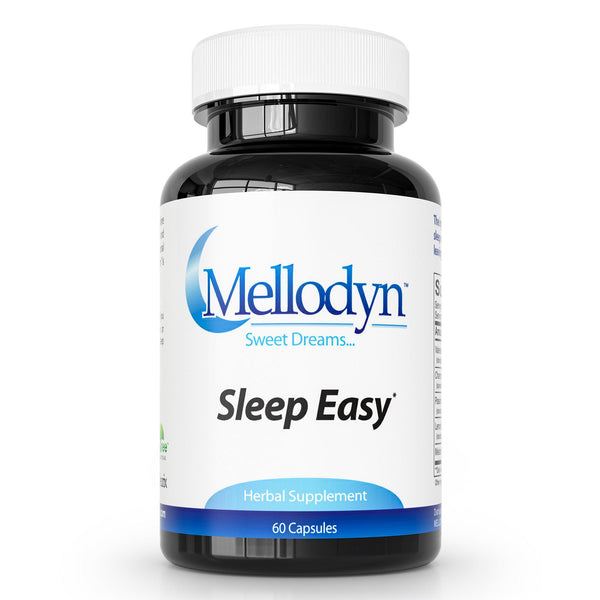
A hyperactive stress response keeps the body in a heightened state of awareness, and the resulting chemical flood makes physical relaxation hard to achieve. Understanding these internal triggers is the first real step toward signaling to the brain that it's safe before bed. Left unchecked over time, this pattern can feed chronic insomnia and wear down healthy sleep patterns.
High cortisol levels keep the body's internal clock from winding down at night. Caffeine or intense physical activity late in the day helps keep this alertness hormone circulating in the bloodstream. Too much caffeine works against any shot at fast sleep. Keeping daily cortisol in check is a big part of falling asleep quickly and staying asleep without constant interruption.
An overactive sympathetic state³ traps the body in a continuous fight-or-flight loop. That keyed-up condition raises blood pressure and prolongs the time it takes to fall asleep. People often feel this spike when dealing with performance anxiety or bracing for a championship performance the next day. Learning to reverse it is the idea behind the relax-and-win championship techniques for deep rest, and it is what finally lets you sleep faster.
Unresolved daily stressors keep the brain scanning for threats long after the sun goes down. That mental spinning creates real physical discomfort and blocks the relaxed state required for proper sleep onset. Working through those thoughts earlier in the day means less time lying awake at night with what can feel like a short-lived sleep disorder. Managing stress well helps you fall asleep more easily and noticeably improves sleep latency.

Shifting the body out of an alert state takes specific physical cues that stimulate the parasympathetic nervous system. Targeted breathing and grounding routines help lower heart rates and ready the mind for deep sleep.
Deep diaphragmatic breathing allows the lungs to expand fully and cues the body to settle. Slow breaths engage the vagus nerve,⁴ which can ease a racing heart. Practice it by inhaling deeply, holding the deep breath, and exhaling with a gentle whooshing sound. Working through a full breath cycle and remembering to breathe deeply helps the body sleep peacefully as the resting phase sets in. These simple breathing techniques are a quick way to take the edge off when you feel wired.
Progressive muscle relaxation means tensing and then fully releasing all the muscles in the body. Start by squeezing the entire face, then move downward through each muscle group until you reach the toes. Applying gentle pressure and letting go spreads muscle relaxation across the whole frame. This technique, developed in coaching and athletic training, is the core of the popular military sleep method, often described in Bud Winter's book on relaxed performance. The full military method takes a couple of minutes to work through, with the actual drop into sleep coming in the last several seconds once the body is fully relaxed.
Sensory visualization cues settle an anxious mind by giving it a peaceful, relaxing scene to focus on. A white noise machine or some soothing music can mask disruptive background noise in the sleep environment. Paradoxical intention, gently trying to stay awake, sometimes lifts the mental pressure and lets you fall asleep more naturally. These relaxation methods offer solid stimulus control for anyone struggling to fall asleep.
While muscle relaxation and steady breathing ease physical tension, Mellodyn Sleep Easy helps support the calm, relaxed state required for proper sleep onset.
Discover Mellodyn Sleep EasyGetting the nervous system ready for rest starts long before bed. A few daytime adjustments cut down evening adrenaline spikes and keep the fight-or-flight response from firing at night:
Limit caffeine intake in the afternoon to protect the natural circadian rhythm.
Build a screen-free wind-down buffer zone to reduce blue light exposure from electronic devices.²
Get morning sunlight exposure to help regulate the brain and support better sleep.
Ease off intense cardiovascular workouts close to bed and take a warm bath instead to lower core body temperature.

Lowering a heightened stress response leads to faster, deeper rest. Take a step tonight by trying physical relaxation techniques that help coax the nervous system to power down. Good, steady sleep hygiene¹ helps prevent chronic exhaustion from building up.
Taking control of the bedtime routine is what stops the long stretches of staring at the ceiling. With practice, you can train the body to let go of the day and settle into a restful night.
This statement has not been evaluated by the Food and Drug Administration. This product is not intended to diagnose, treat, cure, or prevent any disease.
Do not let a keyed-up nervous system ruin your rest. Pair these relaxation techniques with our trusted sleep support to wake up truly refreshed.
Get Your Best Night's SleepThe well-known military method takes about two minutes to work through, and the final drop into sleep can happen in roughly 10 seconds once the body is fully relaxed. With regular practice, progressive muscle relaxation makes that fast finish more reachable.
Taking a slow, deep breath and listening to soothing music helps activate the parasympathetic nervous system, which can ease a pounding heart and lower anxiety.
Working through a breathing cycle with a gentle whooshing sound helps clear the mind and lower physiological arousal, making it easier to fall asleep.
Blue light from electronic devices and unresolved daily stress can disrupt the circadian rhythm and make it harder to fall asleep.
Some standardized herbal extracts are used to support a calming bedtime routine and promote relaxation before bed. They are best treated as part of good sleep habits rather than a substitute for addressing any underlying sleep disorders with a professional.
Castro-Santos, L., Lima, M. O., Pedrosa, A. K. P., Serenini, R., de Menezes, R. C. E., & Longo-Silva, G. (2023). Sleep and circadian hygiene practices association with sleep quality among Brazilian adults. Sleep Medicine: X, 6, 100088. https://doi.org/10.1016/j.sleepx.2023.100088 Cited by: 27
Driller, M. W., Jacobson, G., & Uiga, L. (2019). Hunger hormone and sleep responses to the built-in blue-light filter on an electronic device: A pilot study. Sleep Science, 12(3), 171–177. https://doi.org/10.5935/1984-0063.20190074 Cited by: 29
Malpas, S. C. (2010). Sympathetic nervous system overactivity and its role in the development of cardiovascular disease. Physiological Reviews, 90(2), 513–557. https://doi.org/10.1152/physrev.00007.2009 Cited by: 961
Vosseler, A., Zhao, D., Hummel, J., Gholamrezaei, A., Hudak, S., Kantartzis, K., Peter, A., Birkenfeld, A. L., Häring, H. U., Wagner, R., Preißl, H., Kullmann, S., & Heni, M. (2021). Slow deep breathing modulates cardiac vagal activity but does not affect peripheral glucose metabolism in healthy men. Scientific Reports, 11(1), 20306. https://doi.org/10.1038/s41598-021-99183-2 Cited by: 10