Your Cart is Empty


Waking up with a racing heart from a startlingly vivid dream often leaves a person feeling exhausted. Many individuals turn to natural sleep supports to calm evening restlessness, only to experience unexpected shifts in nighttime imagination. Finding the perfect balance for peaceful rest involves understanding exactly how the body processes these specific supplements. People constantly ask, does melatonin cause nightmares?
Wellness approaches championed by Bioneurix focus on optimizing the body's natural response to evening routines without causing severe distress. Uncovering the biological connection between sleep aids and dreaming patterns empowers individuals to make informed choices for truly restorative nights.
Mellodyn Sleep Easy blends gentle, natural ingredients to help you wind down without the heavy grogginess. Discover a calmer way to drift off tonight.
Explore Mellodyn Sleep Easy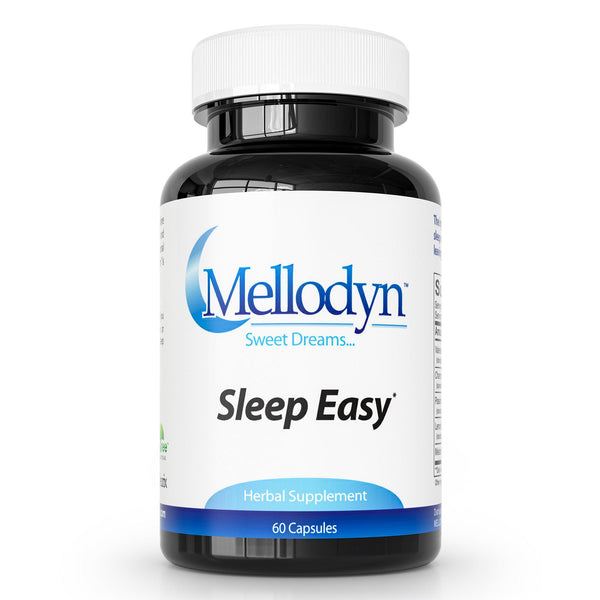
The human body inherently knows when to wind down and prepare for rest. It relies on specific internal signals that respond directly to the fading of daylight. The brain initiates the body's sleep-wake cycle naturally as the sun goes down.
Natural melatonin is a hormone produced by the pineal gland to signal that nighttime has arrived. This chemical messenger flows through the bloodstream to help lower body temperature and prepare for rest. Optimal melatonin production ensures a person begins to feel sleepy at the appropriate hour.
This specific hormone acts as the master clock for human sleep patterns. It relies heavily on light exposure to dictate when to stay awake and when to rest. High melatonin levels usually peak in the middle of the night and drop significantly before morning.

Modern lifestyles often disrupt the biological cues¹ required for a smooth transition into a resting state. This disruption prompts a search for gentle and non-habit-forming support. Many adults reach for a dietary supplement to quickly address frequent sleep issues.
A reliable sleep aid often provides relief for those who have trouble falling asleep after a stressful day. Taking melatonin helps quiet an active mind and encourages a faster transition into slumber. Finding better sleep means the body has enough time to repair tissues and boost the immune system.
Traveling across time zones can easily confuse the internal clock and cause jet lag. Taking a supplement helps reset that internal schedule to match the new local time. People report feeling much more grounded and less exhausted when using this strategy for travel.
Introducing external sleep signals occasionally alters how the brain processes nighttime imagery. This shift frequently leads to surprisingly intense mental activity during slumber. Many users wonder if these supplements directly trigger unpleasant side effects or nighttime fear.
Melatonin may create a deeper state of rest that enhances memory retention of nighttime visions. A person simply remembers vivid dreams more clearly upon waking up. This enhanced recall makes normal dreams feel incredibly intense and lifelike.
Vivid or bad dreams stand apart from standard nighttime processing because of the emotional intensity involved. Nightmares involve a strong fear response that forces a person to wake up abruptly. While supplements amplify regular dreams, experiencing melatonin nightmares usually depends on personal stress levels.
The physical mechanics of resting involve cycling through specific phases throughout the night. Certain supplements actively influence the duration of the cycle during which dreaming occurs most frequently. Understanding these cycles explains why taking these aids changes the nighttime experience.
Rapid eye movement (REM) sleep, or rapid eye movement sleep, is the stage during which the most vivid dreaming occurs. Supplementation often extends the duration of this active brain phase. Spending more time in this stage gives the brain extra opportunities to construct elaborate scenarios.
Normal rest involves a predictable progression from light sleep into deep physical restoration. Adding more melatonin to the system can cause REM stages to occur earlier in the night. This altered timing can sometimes create a fragmented feeling when a person wakes up unexpectedly.
Mellodyn Sleep Easy uses a thoughtful, lower-dose blend designed to support natural rest without triggering vivid dreams or next-day fog.
See the FormulaClinical observations reveal a fascinating relationship between dosage amounts and the intensity of nighttime subconscious processing. Researchers constantly evaluate how modifying the internal clock affects overall mental health. Current research points to specific connections between dosage size and dream intensity.
Many patients tell doctors that they experience nightmares after starting a new nighttime routine. However, there is no conclusive evidence proving that the hormone itself generates scary content. The short answer suggests the supplement merely intensifies whatever thoughts are already present in the mind.
Taking higher doses frequently overwhelms the system and creates an unnatural hormonal spike. This chemical flood aggressively alters normal brain wave patterns and can make bad dreams occur more often. Finding the lowest effective dose minimizes the chance of these intense visual disturbances.
While generally well-tolerated, individuals sometimes experience a few common physical responses when introducing this compound to a nightly routine. Watch for these temporary shifts in physical comfort:
Noticeable next-day grogginess or sluggishness combined with reduced alertness.
Mild, transient morning headaches that resolve after drinking water.
Temporary dizziness upon waking up or a mild upset stomach.
Certain biological profiles and health backgrounds require a more careful approach when modifying natural sleep cycles. Consult a healthcare provider before adding these specific sleep supports to an evening regimen if fitting into these categories:
Individuals prone to frequent night terrors or existing sleep disorders.
Pregnant or nursing mothers seeking sleep support due to trouble staying asleep.
People taking specific prescription medications for mood support or battling depression.
Finding the perfect personal threshold often eliminates unpleasant nighttime visuals. This mindful approach still encourages a smooth transition into a deep sleep. Making small adjustments ensures the supplement remains generally safe and highly effective.
The National Center for Complementary and Integrative Health³ notes that less is often more with sleep aids. Cutting a pill in half limits the risk of overwhelming the brain. Most adults achieve excellent results with just 1 to 3 milligrams.
Taking the pill exactly thirty minutes before bed aligns perfectly with the onset of darkness. Consuming it too early or too late confuses the internal clock and triggers delayed sleep. Proper timing ensures the compound processes completely before the deepest dreaming phases begin.
Fostering a naturally calming environment effectively signals the nervous system to relax without relying solely on external supplementation. Creating a predictable routine provides excellent support for long-term health outcomes. These simple habits naturally promote a steady release of sleep-inducing hormones.
Blue light from phones and televisions aggressively blocks the natural release of sleep hormones. Turning off all electronic devices an hour before bed provides immediate relief for sleep problems. Reading a physical book instead helps reduce mild anxiety and prepares the mind for rest.
Taking a warm bath drops the core body temperature² and mimics the natural progression toward night. Practicing deep breathing exercises lowers the heart rate and clears the mind of daily stress. Consistent sleep hygiene practices remain the most reliable way to ensure consistent sleep.

A persistently disrupted rest cycle sometimes indicates the need for a deeper evaluation of overall wellness. Uncovering the root cause of nighttime awakenings requires professional guidance. Medical experts can properly assess how other health conditions might be interfering with rest.
Experiencing insomnia for more than three weeks requires a thorough medical review. A doctor will check if other medications are interacting poorly with natural hormonal rhythms. Healthcare teams also verify whether over-the-counter products bear a United States Pharmacopeia seal for safety.
Frequent nightmares that cause severe distress and fear of going to bed demand immediate professional attention. A healthcare provider can help separate normal stress responses from clinical issues. More research and a tailored treatment plan will ensure a safe return to peaceful nights.
Navigating the delicate balance between falling asleep easily and avoiding unwanted vivid dreams requires a mindful approach to supplementation. Evaluate current evening habits, adjust dosages if nighttime visuals become overwhelming, and prioritize a deeply relaxing pre-bedtime environment. Understanding exactly what causes melatonin disruptions allows for quick and effective corrections.
A lack of proper sleep poses significant physical risks and impairs daily performance. Ensure safety by asking a healthcare provider the right technical questions about sleep aids to prevent catastrophic delays in your healing journey. Check out Bioneurix Mellodyn Sleep Easy today to discover scientifically backed wellness solutions and lock in professional support before another sleepless night begins.
Stop guessing what works. Try Mellodyn Sleep Easy and give your body a gentle, science-backed nudge toward deeper, more restorative sleep.
Shop Mellodyn Sleep EasyHigher doses frequently extend the rapid eye movement phase, during which the most intense dreams occur.
There is no conclusive evidence linking melatonin use directly to episodes of sleep paralysis.
Most people report excellent results and fewer vivid visuals when keeping the dose under three milligrams.
Unpleasant side effects, such as intense dreaming, usually fade within a few days after stopping the supplement.
Taking a high dose late at night frequently causes morning grogginess and a lingering feeling of nausea.
Dobrovinskaya, O., Alamilla, J., & Olivas-Aguirre, M. (2024). Impact of Modern Lifestyle on Circadian Health and Its Contribution to Adipogenesis and Cancer Risk. Cancers, 16(21), 3706. https://doi.org/10.3390/cancers16213706
Liao W. C. (2002). Effects of passive body heating on body temperature and sleep regulation in the elderly: a systematic review. International journal of nursing studies, 39(8), 803–810. https://doi.org/10.1016/s0020-7489(02)00023-8
National Center for Complementary and Integrative Health. (2024, May). Melatonin: What you need to know. U.S. Department of Health and Human Services, National Institutes of Health. https://www.nccih.nih.gov/health/melatonin-what-you-need-to-know