Your Cart is Empty


Settling into bed with the intention of enjoying a peaceful night only to be met with a racing heart is an incredibly frustrating experience. Many individuals ask, can melatonin cause anxiety after trying natural supplements?
For most people, a sleep aid offers a gentle transition into slumber. A small subset experiences an entirely opposite physical response. Fostering an evening environment that truly supports relaxation involves understanding how the body responds to specific compounds.
Science-backed wellness formulas offered by Bioneurix focus on exactly this kind of holistic balance. Uncovering the delicate balance of hormones and neurotransmitters reveals exactly why nighttime supplements sometimes spark unexpected energy instead of calm.
Explore Mellodyn Sleep Easy as part of a thoughtful evening routine focused on relaxation, consistency, and more restful nights.
Explore Mellodyn Sleep Easy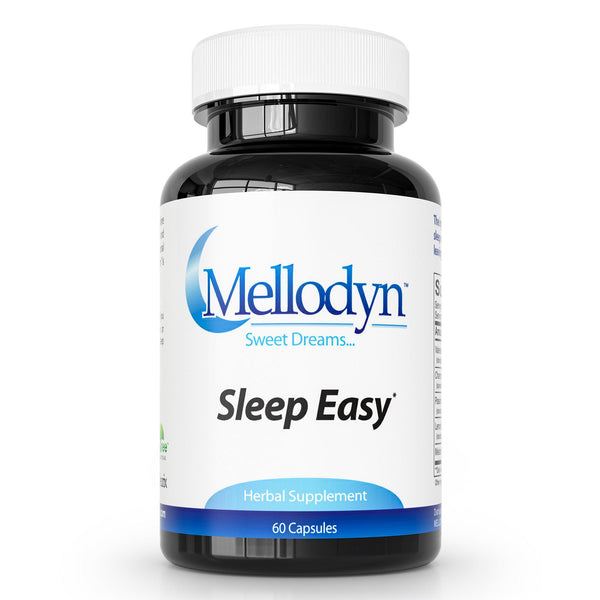
Melatonin is a hormone the body naturally produces within the pineal gland to regulate rest. This popular compound functions as a biological messenger, sending a clear signal to the central nervous system that daylight has faded. Understanding this chemical process reveals exactly how melatonin affects relaxation and sleep patterns.
The sleep wake cycle relies on darkness³ to trigger natural hormone release. Proper melatonin production helps align the internal circadian rhythm with the outside world. This process supports a consistent sleep schedule and works to improve sleep quality over time.
Chemical messengers in the brain chemistry directly influence mood regulation and physical relaxation. Introducing a dietary supplement changes how these pathways communicate during the night. A balanced interaction helps provide calming effects and reduce anxiety symptoms before bed. Evidence suggests that proper dosing can even help manage preoperative anxiety in clinical settings.

Taking melatonin sometimes creates a completely unexpected physical response known as a paradoxical reaction.¹ While intended to soothe the body, introducing an external compound occasionally overwhelms the internal balance. The system might interpret the sudden shift from high doses as a potential threat.
Excessive doses can trigger the adrenal glands to release stress hormones unexpectedly. This sudden flood of energy makes a person feel heightened anxiety instead of sleepiness. Such an adverse effect completely derails the goal of trying to fall asleep.
A poorly timed dose disrupts the natural progression of deep rest stages. People often report vivid dreams or sudden awakenings throughout the night.² These severe sleep disturbances leave individuals feeling exhausted the next morning and contribute to poor sleep quality.
Monitoring physical reactions after introducing a new wellness product reveals important clues regarding individual tolerance levels. A sensitive system often displays warning signs that require immediate attention. Watch for these distinct physical indicators that the nervous system feels overstimulated:
Noticeable evening jitteriness or restlessness that mimics an anxiety disorder
An unexpectedly rapid heartbeat shortly after consumption
Intense daytime drowsiness that mimics profound fatigue
Consistent timing and calming habits matter when building a nighttime routine. See how Mellodyn Sleep Easy can fit into a balanced approach to evening wellness.
See the Mellodyn FormulaCertain biological traits and lifestyle variables make the body much more likely to experience an activating response. Genetic factors and daily habits play massive roles in how an individual processes a sleeping pill. Recognizing these elements helps prevent unexpected mood changes.
Everyone processes melatonin supplements at a different speed based on unique biological markers. A family history of sensitivity often points to a slower metabolic rate. This slow processing means the active ingredients linger too long and disrupt the sleep wake transition.
Combining melatonin with prescription drugs sometimes creates negative chemical reactions. Blood pressure medications and certain prescribed medications for mental health alter how the system responds to sleep aids. Heavy alcohol intake also compounds these adverse effects and worsens sleep problems.
Taking a mindful and strategic approach to melatonin supplementation ensures the active ingredients align smoothly with natural biological rhythms. Careful planning eliminates the risks associated with excessive amounts. Implement these precise dosing guidelines to maximize comfort and encourage a seamless shift into slumber:
Starting with the absolute lowest effective dose to carefully gauge physical response
Consuming the product at the exact same sleep timing each night to establish consistency
Creating a deeply calming pre-bedtime environment completely free of bright screens
If paradoxical reactions continue, shifting focus toward alternative holistic practices provides excellent support for evening relaxation. These methods encourage rest without the risk of overstimulation. Building a strong foundation naturally helps the body wind down safely.
Herbal teas like chamomile and valerian root offer gentle calming effects. These natural options indirectly affect mood and help soothe a racing mind. They provide a safe alternative when standard over the counter medications cause discomfort.
Limiting caffeine in the afternoon prevents unwanted stimulation at bedtime. Maintaining a cool and dark bedroom environment naturally boosts internal melatonin levels. These simple habits remain the most effective way to improve sleep quality and reduce anxiety over time.

A persistently overactive evening response sometimes indicates the need for specialized guidance from a healthcare provider. Uncovering potential underlying physical imbalances requires professional expertise. Medical teams can accurately identify if other mental health concerns are causing the distress.
Waking up repeatedly with a racing heart might signal an undiagnosed panic disorder. Experiencing severe anxiety like symptoms requires a thorough clinical evaluation. Professional guidance ensures you receive the correct support for generalized anxiety disorder or conditions like obsessive compulsive disorder.
Feeling exhausted every day despite spending eight hours in bed points to severe sleep disturbances. If stopping melatonin does not resolve the issue, a doctor must investigate further. Medical professionals can check for circadian rhythm sleep disorders or other hidden health problems affecting mood or anxiety levels.
Understanding the complex relationship between natural sleep aids and the nervous system empowers individuals to make smarter choices. Evaluate current evening habits and adjust supplement dosages if restlessness occurs. Taking control of a nightly routine prevents the severe physical and mental health risks associated with chronic sleep deprivation.
Reviewing the key takeaways melatonin provides reveals that asking a medical professional the right technical question about nighttime anxiety prevents catastrophic delays in your healing journey. Prioritize a deeply relaxing pre-bedtime environment today.
Implement gentle and science-backed strategies with Bioneurix to finally secure a truly restorative slumber before another sleepless night begins.
Support your wind-down routine with mindful sleep habits and a wellness option designed to complement a consistent nighttime schedule.
Shop Mellodyn Sleep EasyHigh doses can trigger an unexpected paradoxical reaction that overstimulates the central nervous system and causes anxiety symptoms.
Combining melatonin with prescription medications for anxiety treatment can alter brain chemistry and exacerbate anxiety.
Excessive doses sometimes prompt the adrenal glands to release stress hormones, which can increase anxiety and cause a rapid pulse.
Daytime drowsiness typically fades within a few hours, but taking too much can cause sluggishness and other symptoms that last all morning.
A paradoxical reaction occurs when a sleep aid creates the exact opposite of the intended calming effects, resulting in heightened anxiety levels and restlessness.
Castillo Romero, J. L., Vives Montero, F., & Acuña Castroviejo, D. (1992). Paradoxical effects of melatonin on spontaneous neuronal activity in the striatum of sham-operated and pinealectomized rats. Journal of pineal research, 12(4), 149–154. https://doi.org/10.1111/j.1600-079x.1992.tb00042.x
Lysenko, L., & Bhat, S. (2018). Melatonin-Responsive Complex Nocturnal Visual Hallucinations. Journal of clinical sleep medicine : JCSM : official publication of the American Academy of Sleep Medicine, 14(4), 687–691. https://doi.org/10.5664/jcsm.7074
Schwartz, W. J., & Klerman, E. B. (2019). Circadian Neurobiology and the Physiologic Regulation of Sleep and Wakefulness. Neurologic clinics, 37(3), 475–486. https://doi.org/10.1016/j.ncl.2019.03.001