Your Cart is Empty


Emotional Health & Mental Wellness

The Sunday Scaries are a common feeling of Sunday anxiety that appears before the work week begins. Learn what causes this pre-Monday morning stress and explore research-backed ways to ease tension, improve sleep, and restore calm with practical relaxation tips and balanced lifestyle habits.

Low serotonin can affect mood, sleep, and overall well-being. Learn how to recognize serotonin deficiency symptoms such as fatigue, irritability, and poor focus, and discover natural ways to support healthy serotonin levels through diet, sunlight, exercise, and mindful habits.
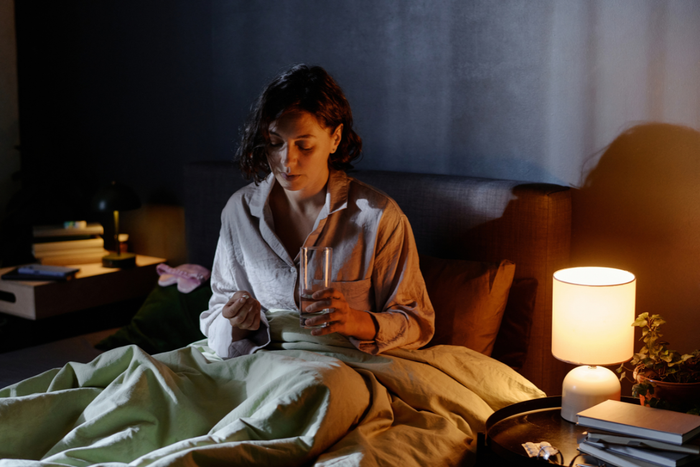
L-theanine for sleep is gaining attention as a gentle way to relax before bed. This amino acid, naturally found in green tea, may help calm the mind, ease stress, and support better sleep quality without causing drowsiness. Learn how L-theanine works, the ideal dosage range (100–400 mg), when to take it, and how it compares to other natural sleep aids like melatonin. Discover if L-theanine could be the natural sleep support you’ve been looking for.

Struggling with difficulty falling asleep or restless nights? Journaling for sleep—writing down your thoughts, worries, or to-do list before bed—can ease mental clutter, reduce cognitive arousal, and support more restful sleep. This guide covers what sleep journaling is, why it works (including effects on sleep onset latency), how to build a bedtime writing habit, and 10 simple journaling prompts to try. Whether you're dealing with stress, negative thoughts, insomnia, or just want better sleep, using a thoughtfully guided journaling practice could become your new nighttime tool.

The link between stress and digestive issues runs deep. When your mind feels tense, your gut often reacts with pain, bloating, or discomfort. Discover how stress affects digestion—and what you can do to restore balance and support gut health.

Ashwagandha for stress is a well-known adaptogen studied for its effects on cortisol, sleep quality, and day-to-day mood. Learn what it is, how it works, common dosages, timing, and safety tips. Get clear, science-based guidance to decide if standardized ashwagandha root extract fits your routine.
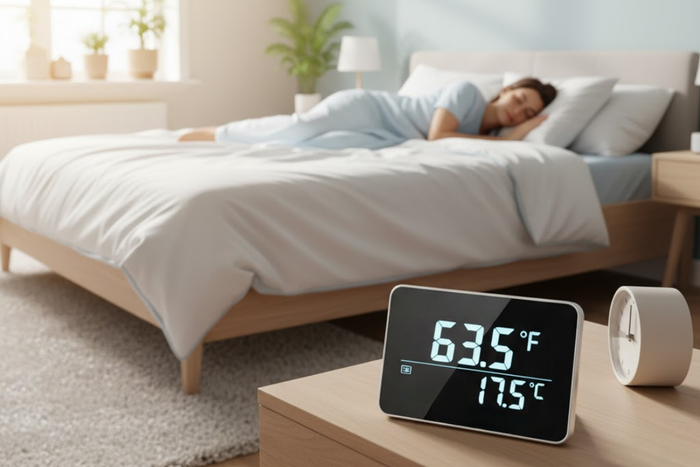
The best room temperature for sleeping is between 60–67°F (15.5–19.5°C)—a range proven to support melatonin production, deep sleep, and overall sleep quality. Keeping your bedroom cool helps regulate core body temperature, promotes slow wave sleep and rapid eye movement (REM) sleep, and reduces nighttime awakenings. Learn how adjusting your sleep environment, bedding, and thermostat can help you fall asleep faster, stay asleep longer, and wake feeling refreshed.
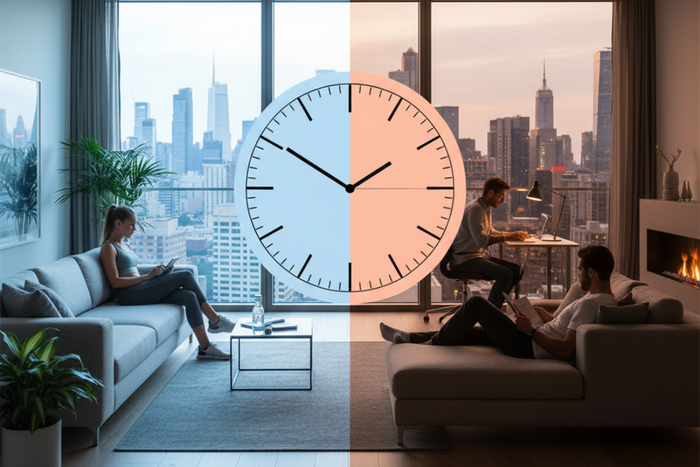
Circadian lighting aligns with the body’s natural rhythms by shifting brightness and color to match daylight. Support better sleep, mood, and daily energy.

Tart cherry juice is gaining attention for its possible role in supporting sleep. Research shows it may boost melatonin, improve sleep patterns, and offer other health benefits, making it a natural option for nightly rest.

Too much screen time drains energy and focus. These 50 screen-free activities for adults offer fun, calming, and practical ways to recharge offline.
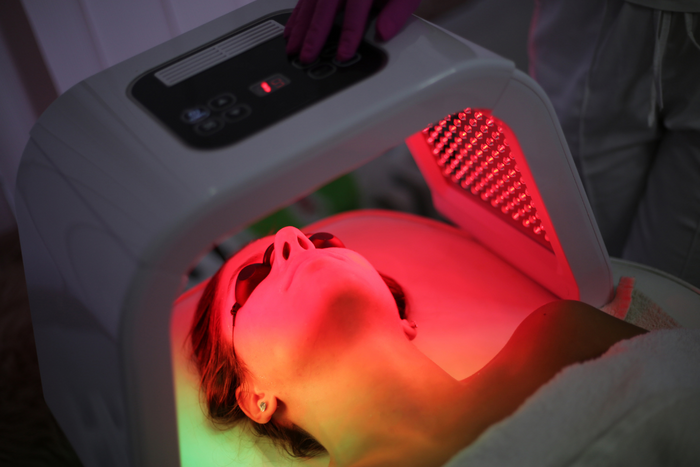
Red light therapy for mood is gaining attention as research explores its role in sleep, stress, and emotional balance. This guide breaks down how it works and what studies say.

Chinese herbs for anxiety are part of traditional Chinese medicine and may support calm, sleep, and balance. This guide explains safe use, possible side effects, and how to combine herbs with holistic practices.