Your Cart is Empty


How a person feels day to day runs deeper than mindset alone. Sleep, food, stress, and the nutrients circulating through the body all pull on mood, often quietly. That is why many people turn to supplements to improve mood, hoping a few key nutrients can help.
The catch is that some of these products rest on solid research while others lean on marketing. Sorting one from the other is the point of what follows. BioNeurix builds quality-tested formulas around emotional wellness, making it a useful place to separate the nutrients that matter from the noise.
Seredyn Complete Calm combines L-theanine, magnesium taurinate, niacinamide, passion flower, and valerian in one formula designed to support a calm, relaxed state.
See Seredyn Complete Calm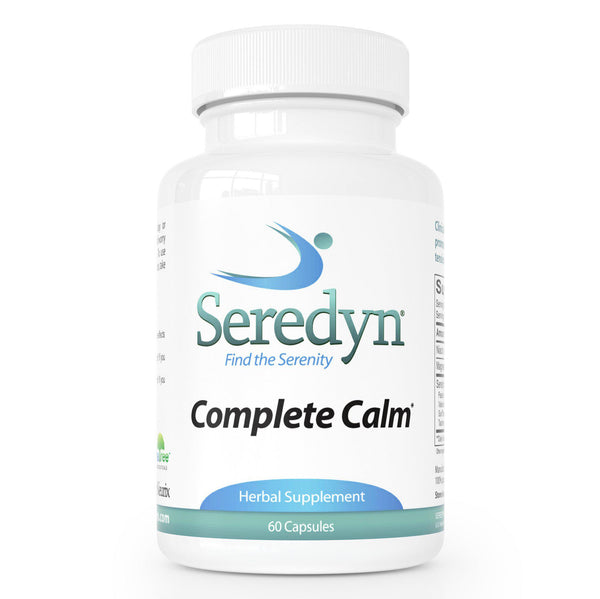
Certain nutrients do support the body's normal mood and emotional balance, though a supplement is only one piece of a much bigger picture. Food, sleep, movement, and connection carry most of the weight, and a capsule works best as support, not a fix.
Some vitamins, minerals, and amino acids play a real role in how the body supports a steady, positive mood. The brain relies on raw materials like B vitamins, magnesium, and certain amino acids to make the chemicals tied to mood and focus.¹ When those run low, mood and energy levels can dip, which is part of why nutritional supplements draw so much interest.
Supplements work best next to healthy habits, not in place of them. A good diet, regular sleep, movement, and real connection do the heavy lifting for emotional wellbeing, and mood supplements support that base rather than replacing it. Anyone dealing with lasting low mood or symptoms of depression should talk with a healthcare professional, since a supplement is not a substitute for medical care.

A few nutrients come up again and again in mood research, each with a role in how the body supports emotional balance. Some fill common gaps in a healthy diet, while others supply raw materials the brain uses every day.
Several well-studied nutrients are linked to how the body supports mood:
Vitamin D, which the body relies on and which many people run low on, especially in darker months²
B vitamins, involved in the everyday work of the nervous system and brain function
Magnesium, a mineral tied to the body's normal stress and mood balance
Omega-3 fatty acids, healthy fats studied for their role in brain health³
5-HTP, a compound the body uses in making serotonin
L-theanine, an amino acid from tea that supports a calm, steady state
Other options like S-adenosyl-L-methionine (SAM-e) and St. John's Wort show up in mood research too, but they can interact with medications, so a chat with a healthcare professional comes first.
If you prefer a blend instead of separate supplements, Seredyn Complete Calm brings together calming nutrients and botanicals in one convenient capsule.
View the FormulaQuality separates a helpful mood supplement from a wasted purchase, and the label tells most of the story. A good product hides nothing about what goes into it or how it was made.
A trustworthy label lists exact ingredients and the amount of each per serving. Vague terms like "proprietary blend" without amounts make it hard to know what you're actually getting. Clear dosing lets someone compare products and judge whether a formula offers enough to matter.
Independent testing confirms that what the label promises is what the bottle holds. An outside lab checks purity and potency, catches contaminants, and confirms the dose. That extra step signals a brand willing to prove its quality rather than just claim it.
Manufacturing under current Good Manufacturing Practices (cGMP) points to steady, reliable quality control. The standard governs how a product is made, handled, and tested from raw materials to finished capsule. A cGMP-certified facility is a strong sign the natural supplement inside was produced with care.

Calm and mood are closely linked, since ongoing stress and tension often weigh on how a person feels. A body stuck in high gear rarely feels its best, so supporting a calmer state can help you feel more like yourself again.
Ongoing tension colors mood more than most people realize. High stress levels can drain energy, cloud mental clarity, and leave a person on edge, which is why calm and mood are often worth addressing together. Easing daily stress gives emotional balance a better chance to settle.
Some people prefer a single blend that combines several calming ingredients rather than juggling separate bottles. A formula pairing an amino acid like L-theanine with soothing botanicals can support relaxation from multiple angles. That layered approach appeals to anyone who wants calm support built into one simple step.
Feeling better starts with the basics: nutrients can play a supporting role, quality decides whether a product delivers, and calm and mood move together. Keep those in mind and the right choice gets much clearer.
For layered, calm-focused support, Seredyn Complete Calm from BioNeurix combines L-theanine, passion flower, valerian, niacinamide, and magnesium taurinate in one capsule, made under cGMP standards to support a calm, relaxed state as part of everyday emotional wellness.
Give your routine that kind of steady support, and let better days build from there.
Seredyn Complete Calm offers a layered blend of L-theanine, magnesium taurinate, niacinamide, passion flower, and valerian for daily calm-focused support.
Check Seredyn Complete CalmNutrients like vitamin D, B vitamins, magnesium, omega-3 fatty acids, and L-theanine are commonly linked to supporting mood, especially when paired with a healthy diet.
Many people find that filling nutrient gaps supports emotional balance and steadier energy, though supplements work best alongside good sleep, food, and stress management.
Vitamin D and the B vitamins are often tied to mood and energy levels, and low levels of either are common and worth checking with a healthcare professional.
Some ingredients like L-theanine may support a calm mood within hours, while nutrients such as vitamin D or magnesium tend to build a steadier effect over weeks.
Yes, low vitamin D is common, and research has linked it to lower mood, which is why many people have their levels checked and supplement when needed.
Boyle, N. B., Lawton, C., & Dye, L. (2017). The Effects of Magnesium Supplementation on Subjective Anxiety and Stress—A Systematic Review. Nutrients, 9(5), 429. https://doi.org/10.3390/nu9050429
Ghaemi, S., Zeraattalab-Motlagh, S., Jayedi, A., & Shab-Bidar, S. (2024). The effect of vitamin D supplementation on depression: a systematic review and dose-response meta-analysis of randomized controlled trials. Psychological medicine, 54(15), 3999–4008. https://doi.org/10.1017/S0033291724001697
Liao, Y., Xie, B., Zhang, H., He, Q., Guo, L., Subramanieapillai, M., Fan, B., Lu, C., & McIntyre, R. S. (2019). Efficacy of omega-3 PUFAs in depression: A meta-analysis. Translational psychiatry, 9(1), 190. https://doi.org/10.1038/s41398-019-0515-5