Your Cart is Empty


(Last Updated: February 2026)
If you're searching for the best sleep tracker app in 2026, the answer depends on what you want to improve: deep sleep tracking, wearable syncing, or smart alarm features. Below, we compare top sleep tracking apps by goal to help you decide faster.
Before diving into the tech, remember that tracking is just one part of the equation; practicing good daily sleep habits and optimizing your bedtime environment are foundational to restful nights.
The challenge is that not all sleep apps serve the same purpose. Some focus on smart alarms. Others emphasize deep sleep data. A few blend coaching, relaxation, and behavioral guidance. Choosing the right one depends less on popularity and more on your personal sleep goal.
Below, you’ll find quick recommendations based on what you’re trying to improve, followed by a deeper comparison of the best sleep tracker apps for 2026.
Sleep apps reveal patterns, but improving sleep requires the right nightly routine. Mellodyn Sleep Easy supports relaxation so you can wind down naturally and wake up feeling refreshed.
Try Mellodyn Sleep Easy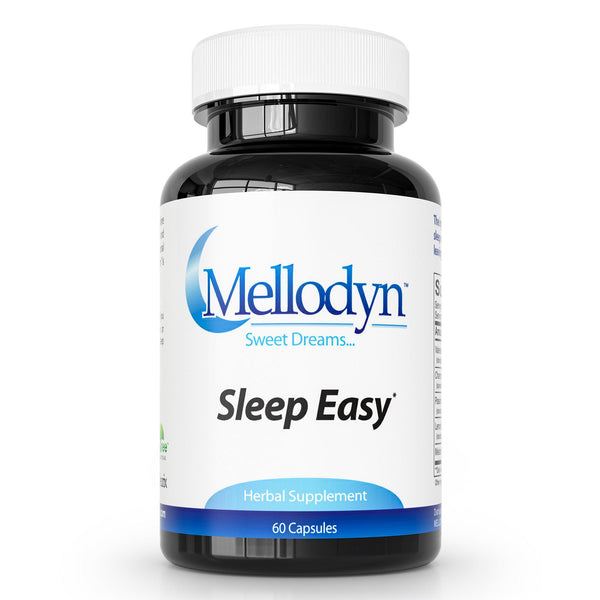
Sleep tracker apps measure your sleep stages, patterns, and other sleep metrics using motion, sound, and body signals.2 They can give you valuable insights about your sleep quality and help you understand why you might wake up tired.
Mobile apps often rely on your phone’s microphone and accelerometer for sound analysis and motion detection. This helps estimate when you fall asleep, how much light sleep, deep sleep, and REM sleep you get, and when you experience sleep disturbances.
Wearable devices like smartwatches and rings go further by tracking your heart rate, sleep breath, oxygen levels, and activity. These data points help create more accurate sleep reports and reveal how your daily sleep habits impact restful sleep.
The key difference between mobile-only apps and those paired with wearables is precision. While wearables deliver more detailed analysis, phone-based apps are simpler and more affordable for beginners. Still, tracking alone doesn’t solve sleep problems. If your sleep score is consistently low, you may need to learn how to quiet a racing mind to restore healthy sleep cycles naturally.
Finding the right sleep tracker depends on your budget, device, and desired features. These best sleep apps offer a range of tools, from basic sleep graphs to coaching and sleep hygiene improvement plans.
SleepScore uses sonar-based motion tracking to analyze sleep duration, sleep stages, and sleep quality without requiring a wearable. It gives you a nightly sleep score and clear sleep insights with tips for improving sleep hygiene.
Pros: Highly detailed sleep metrics, works without a device, tracks different sleep stages accurately.
Cons: Limited features in the free version, no integration with Apple Watch or other health trackers.
Sleep Cycle’s smart alarm is designed to wake you during light sleep, which may help reduce grogginess and support a more alert feeling in the morning. It tracks sleep trends, time asleep, and the potential impact on sleep quality over weeks and months.
Best for: Those who want to understand sleep patterns and optimize wake-up time without a wearable.
Oura’s ring design uses a variety of metrics to monitor sleep, including breathing patterns, heart rate, and movement, providing a general overview of sleep quality. It estimates rapid eye movement (REM), deep sleep, and recovery using readiness scores.
Best for: Users who want both sleep tracking and broader health trackers in one wearable.
SleepWatch syncs directly with Apple Health to track sleep duration, sleep disturbances, and sleep hygiene habits. It’s ideal for Apple Watch Series owners who want automatic sleep analysis and personalized sleep goals.
Best for: Those fully invested in the Apple ecosystem.
Calm blends sleep sounds, meditation, and sleep tracking into one app. It offers features like guided relaxation that may assist in winding down before bed, acting as an excellent companion to specific at-home relaxation techniques.
Best for: People who want sleep apps that support mental wellness alongside sleep health.

Pillow offers automatic sleep tracking when paired with Apple Watch and manual mode for mobile apps. It records sleep sounds, monitors time spent asleep, and creates sleep graphs for easy review.
Best for: iOS users who want both automatic and manual tracking.
Sleep Reset provides customized plans based on principles of behavioral sleep techniques, created with input from a clinical psychologist.1 It tracks sleep habits, sleep score, and sleep health while offering guidance to improve sleep hygiene.
Best for: Anyone seeking expert-backed coaching to solve sleep problems.
If your sleep tracker shows restless nights or poor sleep scores, support your body's natural sleep cycle with Mellodyn Sleep Easy and build a healthier bedtime routine.
Support Better Sleep TonightSome apps excel in accurate results, others in motivation, and some in ease of use. The right choice depends on how you want to track your sleep and the type of sleep information you're interested in.
| App Name | Accuracy Level | Device Compatibility | Cost | Unique Features |
|---|---|---|---|---|
| SleepScore | High | Mobile only | Free / Paid | Sonar tracking, detailed sleep metrics |
| Sleep Cycle | Medium | Mobile only | Free / Paid | Smart alarm, trend tracking |
| Oura | Very High | Ring wearable | Paid | Readiness scores, detailed stages |
| SleepWatch | High | Apple Watch | Free / Paid | Apple Health integration |
| Calm | Medium | Mobile | Paid | Meditation + sleep tracking |
| Pillow | High | iOS + Apple Watch | Free / Paid | Audio recording, manual mode |
| Sleep Reset | High | Mobile | Paid | Coaching from sleep experts |
Quick picks: For no wearable, choose SleepScore. For an Apple Watch, go with SleepWatch or Pillow. For full wellness integration, try Oura or Calm.
Match your search intent quickly by asking yourself these four questions before downloading:

When it comes to tracking your personal health data, you likely have questions about how reliable and secure these apps actually are.
Consumer sleep tracking apps can get close to sleep medicine results for estimating sleep stages and sleep duration, but they’re not perfect. Wearables usually give more accurate results than phone-only apps because they capture more data points like sleep, breath, and oxygen levels. Apps are best for spotting sleep trends, not diagnosing medical issues.
This depends entirely on the app you choose. Premium apps and established wearables (like Oura or Apple) generally have strict privacy policies and encrypt your health data. Always check an app's privacy policy before downloading to ensure your data is not being sold to third-party advertisers.
No. While many apps can track audio (like snoring) or note drops in blood oxygen levels, they cannot replace a clinical sleep study. If your app consistently shows severe sleep disturbances, use that data to start a conversation with your doctor.
For some mobile-only apps that rely on accelerometer movement, yes. However, if you prefer to keep devices off your mattress, you can opt for a sonar-based app (like SleepScore) that sits on your nightstand, or a wearable device.
Consumer sleep tracking apps can get close to sleep medicine results for estimating sleep stages and sleep duration, but they’re not perfect. Wearables usually give more accurate results than phone-only apps because they capture more data points like sleep breath, and oxygen levels.
Limitations include trouble distinguishing light sleep from quiet wakefulness, especially in mobile apps. Factors like screen time before bed or phone placement can also impact sleep quality readings.
For better accuracy, keep your device close, follow consistent sleep habits, and review your sleep report alongside how you actually feel. Apps are best for spotting sleep trends, not diagnosing medical issues.
Don’t Just Track Your Sleep, Improve It
Data is useful, but it doesn't cure grogginess. If your sleep app shows you're missing out on deep rest, support your body's natural sleep cycles and wake up refreshed with Mellodyn.
Read next: How to Increase Deep Sleep Naturally
Using sleep tracker apps can reveal important sleep patterns, sleep stages, and sleep metrics that affect your sleep quality. These tools provide valuable insights into your sleep duration, sleep disturbances, and time spent asleep, helping you set sleep goals and spot habits that may be keeping you sleep-deprived.
While sleep tracking apps are powerful for monitoring trends, real improvement comes from pairing the data with healthy sleep hygiene changes. Try one of the best sleep apps for a week, track your progress, and observe how it can provide insights into your sleep habits.
For extra support in achieving restful sleep, consider Mellodyn Sleep Easy, a natural option designed to help you relax at night.
Sleep trackers can reveal patterns, but real improvement happens when you support your body’s ability to relax and unwind before bed. Mellodyn Sleep Easy helps you create calmer nights and better mornings.
Shop Mellodyn Sleep EasyThe best sleep tracking apps in 2026 combine accurate sleep stage tracking, clear insights, and easy-to-use dashboards. Top options often include trend analysis over time, smart alarms, and integration with health or wellness platforms.
Sleep tracker apps use your phone’s sensors or connected devices to monitor movement, sound, or heart rate while you sleep. This data is analyzed to estimate sleep duration, stages, and overall sleep quality.
Choose a sleep app based on accuracy, ease of use, and the features you’ll actually use, such as sleep coaching, mindfulness tools, or detailed analytics. It’s also important to consider whether you want a free app, a premium version, or one that works without a wearable.
Yes, many free sleep tracker apps offer reliable basic sleep tracking and habit insights. While premium versions usually unlock deeper analytics and coaching features, free apps can still help you understand and improve your sleep patterns.
Sleep tracking apps can help improve sleep quality by showing patterns, habits, and trends that affect rest. Over time, these insights make it easier to adjust routines, bedtime habits, and lifestyle choices for better sleep.