Your Cart is Empty


Choosing herbs for sleep can feel overwhelming when deciding between teas, tinctures, or capsules. The exact same botanical ingredients can act differently depending on their format, dosage, and how your unique body responds at bedtime. Occasional trouble falling asleep, frequent waking, or simply experiencing lighter sleep can drain your daily energy and mood, even if you maintain a consistent schedule.
While everyday factors like stress, late meals, and screen time can make resting harder, finding the right botanical support shouldn't be another source of frustration. This guide compares teas, tinctures, and capsules to explain practical differences in onset time and consistency, offering clear guidance for choosing a natural sleep aid that fits your nighttime routine.
Mellodyn Sleep Easy combines melatonin with calming herbal extracts to support your natural sleep-wake cycle as part of a consistent bedtime routine.
Explore Mellodyn Sleep Easy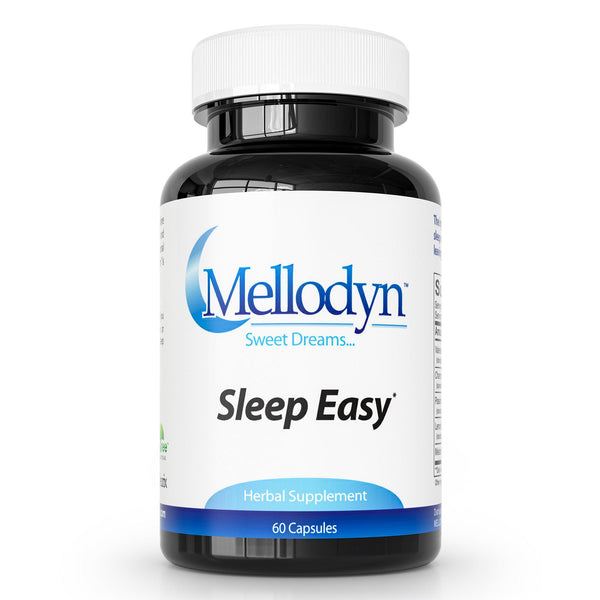
Herbal teascan be a good fit when the goal is to slow down and support a calmer bedtime routine. This form of herbal use emphasizes comfort and consistency rather than a strong, immediate effect.
Herbal teas provide gentle support for trouble sleeping by delivering diluted infusions that promote calm without feeling heavy. Chamomile tea, lemon balm, lavender, and Passiflora incarnata are commonly used herbs for sleep that may support relaxation and a calmer bedtime routine, especially during occasional sleepless nights. This approach may be more helpful for occasional sleepless nights than for persistent sleep concerns.
A warm cup of chamomile tea at bedtime can become a consistent signal that helps the body prepare for rest. Lemon balm tea is often chosen when anxiety makes it hard to settle into bed and quiet the brain. Over time, this gentle routine can help improve sleep quality by reinforcing predictable nighttime habits.
Tea supports relaxation through sensory cues like warmth, aroma, and taste. For many people, those cues help signal a wind-down period and make it easier to shift into a calmer headspace before bed. Results vary by herb, dose, and consistency, but the routine itself can be a meaningful part of bedtime.
Evidence from systematic reviews, meta-analyses, and literature reviews often indicates that bedtime routines influence sleep through behavioral and physiological pathways. These routines may activate specific receptors associated with calm, although results vary across studies. Authors such as Leach MJ frequently highlight consistency as a key factor in sleep outcomes.
Warm tea can relax muscles and reduce physical tension that builds during the day. Hydration supports physical health and may help reduce headaches that worsen with poor sleep quality. When used earlier in the night, this warmth can support restorative sleep and better comfort in bed.
Excessive fluid intake near bedtime can increase nighttime awakenings, which can disrupt sleep. If that happens, drinking tea earlier and reducing fluid intake later can help. You can still benefit from lavender or lemon balm as part of a calming routine without increasing nighttime interruptions.

Liquid tinctures are often chosen when a more concentrated format feels easier to use than tea. Some people prefer tinctures because the onset may feel faster than capsules, although response varies by herb, dose, and sensitivity.
Tinctures are commonly taken sublingually, allowing sleep-promoting herbs to be absorbed through the mucous membranes rather than undergoing digestion. This faster route may help the body and brain respond more quickly, which may feel useful when stress makes it harder to settle down at bedtime. This speed can help with sleep problems associated with stress-induced insomnia.
Many tinctures include valerian root (Valeriana officinalis), which is widely used in herbal medicine for its calming properties. While tinctures can be combined with melatonin supplements, stacking products increases the importance of watching drug interactions, especially if you take prescription medications.
Tinctures allow flexible dosing, making them useful when sleep needs change from night to night. A smaller dose may promote relaxation on an easy night, whereas a larger dose may feel more appropriate during intense stress or heightened anxiety. This flexibility helps some people avoid taking more supplements than needed.
Dose control is especially important if you use dietary supplements, herbal supplements, or medications together. Some herbs may interact with other medications, so checking for drug interactions is part of protecting sleep health. Speed matters, but safety matters more.
Tinctures often have strong flavors because they contain concentrated bioactive compounds. Valerian root and valeriana officinalis are known for their earthy, bitter taste, which some people find unpleasant at bedtime. This taste can discourage consistent use, even when the calming effect is noticeable.
Some users dilute tinctures in water, although this may reduce the rate of onset. If taste is a barrier, capsules can deliver the same herbs without flavor. Tinctures remain useful when quick support is needed, but consistency determines long-term results.

Capsules are often chosen for their simplicity and predictability. They are a popular format for herbal supplements and dietary supplements because they fit easily into nightly routines.
Capsules typically use standardized extracts, which deliver the same amount of active compounds each night. This consistency can make routines easier to follow and evaluate over time. Capsules are often preferred when poor sleep quality or chronic insomnia repeats regularly.
Standardized dosing can reduce guesswork from night to night. Even so, results depend on the specific herb, dose, and how the body responds.
Capsules bypass taste entirely, making strong herbs easier to tolerate. Valerian, valerian root, and valeriana officinalis are common ingredients that many people avoid in liquid form. Removing taste barriers improves adherence, which can make the routine easier to stick with.
Capsules also facilitate the use of a combination formula that includes lemon balm, lavender, or Passiflora incarnata alongside valerian. This balanced approach can support calm and improve sleep quality without added effort. Convenience often determines whether a routine lasts.
Capsules are absorbed more slowly because they go through digestion. Some people prefer that steadier timeline, especially when the goal is consistency rather than a fast onset. Timing still matters, and capsules tend to work best when paired with a regular bedtime routine and attention to possible drug interactions.
Capsules also align with natural melatonin rhythms regulated by the pineal gland. Because melatonin is a hormone, timing matters more than intensity. Capsules work best when paired with a consistent bedtime routine and awareness of drug interactions.
If teas, tinctures, and capsules feel hard to compare, Mellodyn Sleep Easy offers a convenient capsule option with herbal ingredients and melatonin for bedtime support.
See Product DetailsChoosing the right format depends on habits, stress levels, and what can be repeated consistently. The comparison below helps match each option to specific sleep needs.
If sleep apnea is suspected, herbal sleep aids should not replace a medical evaluation. Consuming green tea late can add caffeine, and late alcohol or heavy food can worsen sleep problems, even with a supplement.
There is no single best option, only the format that fits a routine and can be used consistently. Teas support calming rituals, tinctures may feel more immediate for some people, and capsules can be easier to repeat night after night.
Some people use a combination approach, such as a calming tea as part of a wind-down routine and a capsule for consistent dosing. When chosen carefully and used consistently, the right format may support relaxation and help move bedtime in a steadier direction.
Consistency matters for sleep support. Mellodyn Sleep Easy is designed to fit into a nightly routine when you want support beyond a single herb or bedtime tea.
Shop Mellodyn Sleep EasyValerian root (Valeriana officinalis) is one of the more commonly used herbs for sleep support. Responses vary by person, dose, and format, and some people tolerate it better in capsules than in liquids or tea.
Timing depends on the herb, the format, the dose, and individual sensitivity. Some people notice effects the same night, while others only notice changes after consistent use as part of a bedtime routine.
Herbal sleep aids can sometimes be taken with melatonin supplements, but combining supplements may increase the risk of drug interactions, especially for people using prescription medications or other medications.
Some people prefer capsules or tinctures for valerian because the dosing is more consistent than tea. Tea can still be useful as a calming ritual, especially when the goal is a gentler wind-down.
Herbal sleep supplements may cause mild side effects such as headaches, digestive discomfort, or next-day grogginess, particularly when combined with alcohol, medications, or other dietary supplements.
Bilodeau, K. (2022, April 1). Supplementing your sleep. Harvard Health Publishing. Retrieved from https://www.health.harvard.edu/staying-healthy/supplementing-your-sleep
National Center for Complementary and Integrative Health. (2025, April). Passionflower: Usefulness and safety. U.S. Department of Health and Human Services. Retrieved from https://www.nccih.nih.gov/health/passionflower
Ouyang, J. (2025). The impact of green tea and its bioactive compounds on mood disorder symptomology and brain-derived neurotrophic factor: A systematic review of randomized controlled trials. Biomedicines, 13(7), 1656. https://doi.org/10.3390/biomedicines13071656
UCLA Health. (2022, November 14). 6 health benefits of drinking black tea. Retrieved from https://www.uclahealth.org/news/article/6-health-benefits-of-drinking-black-tea
University of Louisville. (2024, October 3). Green tea compounds may ease effects of sleep disorders. Retrieved from https://news.louisville.edu/news/green-tea-compounds-may-ease-effects-sleep-disorders