Your Cart is Empty


(Last Updated: March 2026)
If you're searching for calming teas for stress or wondering which herbal tea is best for anxiety, certain ingredients are known for supporting relaxation. Below, we compare the most popular options to help you find the right fit.
Seredyn Complete Calm is formulated with plant extracts and amino acids designed to support emotional balance and help ease feelings of stress and worry.
Shop Seredyn Complete Calm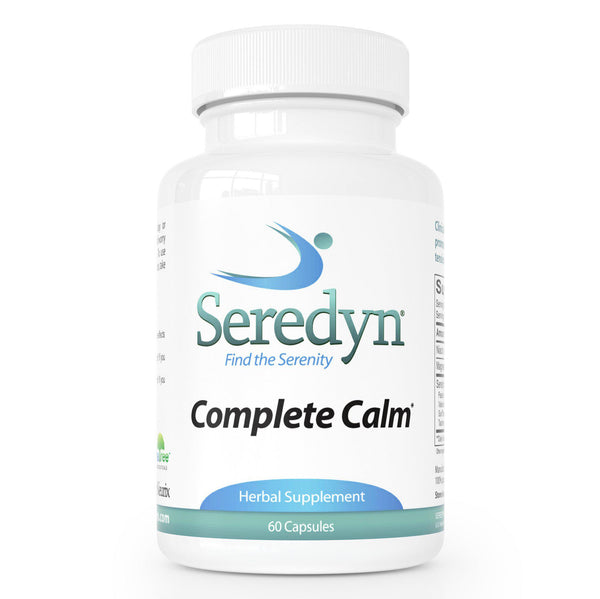
Many herbal teas that may help relieve the feelings of anxiety have calming effects that work naturally with the nervous system. Each tea offers unique health benefits, from easing tension to improving sleep quality, while adding a soothing ritual to your daily routine. Exploring herbal teas is one enjoyable way to begin managing feelings of stress naturally alongside other calming lifestyle habits.
Chamomile tea is one of the most popular teas for managing feelings of stress, known for its gentle floral flavor and calming aroma. It contains compounds like apigenin that may promote relaxation and improve sleep quality.1
In traditional use, chamomile extract has been valued for encouraging relaxation and helping to settle the stomach during tense moments. People allergic to plants in the daisy family should speak with a healthcare professional before use.
Lavender tea delivers a fragrant, floral scent that many find instantly relaxing. Lavender's essential oils have been studied for their potential to reduce feelings of nervous tension.4 You can enjoy lavender tea hot or iced, and some blends include chamomile or rose petals for added benefits. It's also a good drink when undergoing color vibration therapy. Avoid high doses during pregnancy unless cleared by a healthcare professional.
Peppermint tea offers a cooling taste and a naturally caffeine-free way to relax. Menthol, its main active compound, is often used to calm the digestive tract, which some people find soothing during times of stress. While safe for most people, it may aggravate acid reflux in some.
Green tea from the Camellia sinensis plant contains a moderate amount of caffeine balanced by the amino acid L-theanine, which has been studied for its potential to promote a state of calm focus.5 The combination of caffeine and L-theanine has been researched for its effects on mental state without the jitters linked to coffee. Choosing loose tea leaves often gives better flavor and health benefits than bagged options.

Matcha is a powdered form of green tea rich in antioxidants and L-theanine. It provides steady energy, making it a good choice for helping to relieve the feelings of anxiety during busy days. Use hot water just below boiling to whisk matcha until smooth for the best taste. Because it contains caffeine, limit intake if you are sensitive.
Passionflower tea, made from Passiflora incarnata, has been used in herbal remedies. Some research suggests it may have mild sedative effects that could support sleep.3 Pregnant or breastfeeding individuals should seek medical advice before use.
Valerian root tea is often used as a natural sleep aid.6 It has been researched for its potential to support deeper sleep. Short-term use is generally advised, as long-term safety requires more research.
Lemon balm, or Melissa officinalis, has a bright, citrusy flavor and is known for its potential to support mood and reduce feelings of stress. It’s a common ingredient in herbal blends aimed at helping to relieve feelings of anxiety. Avoid high doses, as they may cause digestive problems in some people.
Rose tea made from rose petals provides a subtle, soothing aroma and is a good source of antioxidants. It has been an ingredient in blends used to support a sense of well-being. Those with plant allergies should try small amounts first.
Holy basil, or Tulsi, has a warm, slightly spicy flavor and has been studied for its potential to help the body adapt to stress.2 It is often blended with other herbs. People taking blood-thinning medication should consult a healthcare professional before drinking regularly.
Gotu kola has a mild, grassy taste and has been used in Ayurvedic and Chinese medicine. It has been researched for its potential effects on the nervous system and circulation. Use caution if you are pregnant or have liver concerns.
Kava tea is made from the root of the Piper methysticum plant. It has been studied for its potential to promote a sense of calm and relaxation. High doses or long-term use can affect liver health, so consult a healthcare professional before starting.
While herbal teas may offer short-term calm, some people also explore daily mood support like Amoryn for longer-term emotional balance.
Seredyn Complete Calm provides gentle daily support for a calmer mindset and emotional balance using carefully selected natural compounds.
Try Seredyn Complete CalmWhile herbal teas provide a soothing ritual and immediate sensory relief, they are most effective when used as part of a larger toolkit. Exploring various natural options for anxiety support, such as consistent sleep hygiene, daily movement, and targeted herbal supplements, allows you to address stress from multiple angles. Combining these methods helps create a more resilient nervous system over time.

Finding the best teas to help relieve the feelings of anxiety means matching your flavor preferences, caffeine needs, and daily routine. Herbal teas like chamomile, lemon balm, or valerian root can help ease anxious thoughts in the evening, while green tea or matcha with L-theanine offer calm focus earlier in the day.
Consider these factors to select herbal blends or single-herb teas that can promote relaxation, encourage restful nights, and suit your daily routine:
Flavor profile: Choose calming teas like chamomile tea or lemon balm for light, soothing notes, or green tea for a fresh, earthy taste.
Caffeine content: Opt for caffeine-free herbal remedies at night and moderate-caffeine teas for daytime support in relieving the feelings of anxiety.
Single herb vs blends: Single-herb teas focus on one plant’s benefits, while herbal blends combine multiple herbs for broader support in promoting relaxation.
Form: Loose tea leaves often have more aroma and potency, while bagged teas are convenient for quick relief.
Purpose and timing: Use sleep-supporting teas in the evening and energizing yet calming teas to help soothe nervous tension earlier in the day.
While most teas that may help relieve the feelings of anxiety are safe in moderate amounts, some herbal teas and supplements may cause side effects or interact with certain medications. Knowing the potential risks can help you choose wisely while supporting your well-being.
Here are important considerations before adding new herbal remedies to your daily routine:
Medication interactions: Herbs like valerian root, kava, and St. John’s wort can interfere with prescription drugs, so check with a healthcare professional first.
Allergies: People sensitive to plants related to chamomile, lavender, or other herbs should test small amounts to avoid allergic reactions.
Pregnancy and breastfeeding: Avoid high doses of teas such as peppermint tea, kava, or passionflower without medical approval.
Digestive issues: Certain herbs, including lemon balm and peppermint, may cause upset stomach or digestive problems in some people.
High-dose concerns: Prolonged use of strong herbs like kava or valerian root should be monitored, as more research is needed on long-term safety.

Herbal teas for anxiety can be a helpful addition to your daily routine, but they are not a substitute for professional care. If anxiety symptoms interfere with your well-being or persist despite using herbal remedies, a healthcare professional can help determine the right treatment plan.
Consider seeking medical advice in these situations:
Persistent anxiety symptoms: Ongoing stress, nervous tension, or sleep problems that do not improve with herbal teas or lifestyle changes.
Severe anxiety episodes: Intense symptoms affecting your ability to function, which may require therapy, medication, or other treatment.
Possible drug interactions: If you take prescription medications that could react with herbs such as kava, valerian root, or St. John’s wort.
Health changes: New or worsening physical symptoms, digestive problems, or allergic reactions after starting herbal blends.
Special conditions: Pregnancy, breastfeeding, or chronic health issues that may require adjusting or avoiding certain teas for anxiety.
Herbal tea can be a calming ritual, especially at night. If you’re also looking for daytime support for a steadier mood, you can explore Seredyn, formulated to complement healthy stress-management habits.
Exploring different herbal teas that may help relieve feelings of anxiety can be a simple way to support mental health and aid in managing feelings of stress in your daily routine. From chamomile tea for potential sleep support to lemon balm for its pleasant aroma and green tea with L-theanine for calm focus, each option offers unique qualities. Experiment with single herbs or herbal blends, adjust for caffeine preferences, and make tea-drinking a mindful ritual.
For added support, some people include herbal supplements like Seredyn Complete Calm to complement the soothing effects of teas for managing feelings of stress. Start with one cup, notice how your body responds, and let each sip bring you closer to a sense of well-being and relaxation.
A calming tea ritual can help you slow down, but consistent support may make it easier to stay balanced throughout the day. Seredyn Complete Calm works alongside healthy habits like herbal teas, mindfulness, and better sleep to help promote relaxation and emotional stability.
Buy Seredyn Complete CalmCalming teas are typically caffeine-free herbal blends (like chamomile, lemon balm, or lavender) used to support relaxation and a calmer wind-down.
Many people start with chamomile or lemon balm in the evening. If you want calm focus earlier in the day, green tea may fit better (note it contains caffeine).
It depends on timing and sensitivity. Chamomile and lavender are popular for evenings, while tulsi is often used as a midday “reset.” Stronger herbs are best approached carefully.
Teas may support relaxation and help you feel calmer, especially as part of a broader routine (sleep, movement, nutrition, and stress skills). They aren’t a substitute for professional care.
Some herbs are traditionally used for nervous-system support (like lemon balm and passionflower). If you take medications or are pregnant/breastfeeding, check with a clinician first.