Your Cart is Empty


Having trouble falling asleep at night? You're not alone. Many people use essential oils for sleep to create a calm, comfortable space that encourages rest. These plant-based extracts carry gentle scents that help the mind slow down and the body release tension.
Through aromatherapy, oils such as lavender and bergamot may help you unwind and fall asleep more easily. But the research varies a lot from oil to oil. This guide ranks 11 popular oils by the evidence, then shows how to use them safely.
Lavender has the strongest evidence for sleep. Bergamot shows promise in one small trial. Most other popular sleep oils, like cedarwood and sandalwood, have little sleep research. Use oils in a diffuser or diluted on skin; never swallow them, and keep them away from pets.
Mellodyn pairs melatonin with valerian, chamomile, passion flower, and lemon balm for occasional sleeplessness. It's non-habit forming.
See How Mellodyn Works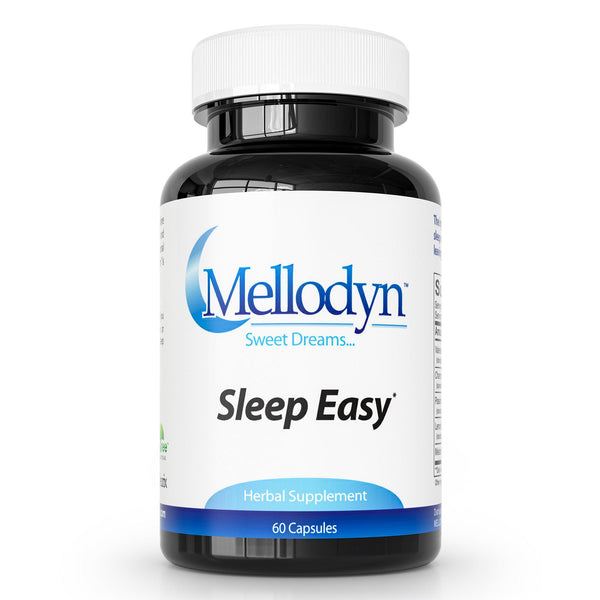
Essential oils are highly concentrated extracts taken from leaves, flowers, roots, or bark. In alternative and complementary medicine, they're valued for supporting emotional balance and overall well-being. When used thoughtfully, these natural scents can influence both the body and mind by helping the autonomic nervous system move toward a more restful state.
Smell connects directly to memory and emotion. Certain aromas can quiet racing thoughts, reduce mental fatigue, and signal to the body that it's time to wind down. Building scent into a consistent bedtime habit helps the brain associate those smells with rest.
When you use essential oils, molecules travel through the nose to the brain's limbic system, which influences mood and how the body responds to tension. Scents like lavender essential oil, roman chamomile essential oil, and bergamot essential oil often:
Encourage relaxation and support steady blood pressure and heart rate
Make it easier to wind down when used at the same time each night
Including aromatherapy in your nightly routine can gently train your body to relax at a predictable time. Calming scents may help shift the body into rest mode, slowing your breathing after a long day. Over time, using the same essential oil blend can become a comforting ritual that signals your body and mind to prepare for rest.

Most lists treat every oil the same. The research doesn't. Below, we group 11 popular oils by how much evidence supports them, so you know what to try first.
Strongest Evidence
Lavender essential oil is one of the most researched natural options for supporting relaxation and better sleep. Evidence suggests that its aroma can ease anxiety, stabilize mood, and gently slow brain activity, which helps the body prepare for rest.
Clinical and experimental studies indicate that lavender influences the nervous system by acting as a mild sedative and anxiolytic, supporting more restful sleep when inhaled or used in lavender aromatherapy.¹
Promising Early Evidence
Bergamot essential oil has been studied for its influence on mood and sleep quality. In a controlled trial, participants who used bergamot oil before bed and again in the morning reported feeling more refreshed and less tense. The study showed improvements in sleep length, morning wakefulness, and general relaxation compared to a placebo.
Using bergamot oil as part of an evening routine may help create a calmer mindset and make it easier to unwind before sleep.² Bergamot can burn your skin in sunlight. If you apply it to skin, avoid the sun for at least 12 hours, or use a bergapten-free version.
Limited or Indirect Evidence
Both Roman chamomile and German chamomile are valued for their light, calming scent and long history of traditional use. While people often turn to chamomile tea or essential oil to help the body unwind before bed, scientific evidence on its effect for insomnia remains limited.
According to the National Center for Complementary and Integrative Health (NCCIH), current research shows that chamomile may ease mild anxiety, but studies on its direct impact on sleep quality or sleep disorders are still insufficient.³ Even so, many find that its gentle aroma helps promote a sense of relaxation, which can support a calmer nighttime routine.
Neroli essential oil, extracted from orange blossoms, is known for its light floral scent and its ability to create a peaceful atmosphere. Research has shown that neroli oil aromatherapy can help ease emotional tension in stressful situations.
In a randomized controlled trial involving women in labor, those who inhaled neroli oil reported lower levels of perceived discomfort and emotional strain compared to those who did not receive aromatherapy. These findings suggest that neroli oil may help calm the mind and support emotional well-being during periods of heightened stress.⁴ This wasn't a sleep study, so its benefit for sleep is still unproven.
Ylang ylang essential oil is appreciated for its sweet, floral fragrance that helps create a sense of calm and comfort. In a study examining its effects on the body after topical application, participants experienced lower blood pressure and higher skin temperature, along with self-reported feelings of greater calm and relaxation compared to a control group.⁵ The study measured relaxation, not sleep. Ylang ylang is also toxic to pets, so skip it if you have cats or dogs.
Clary sage essential oil is known for its pleasant herbal scent and is often used in aromatherapy to encourage relaxation and emotional balance. A pilot study analyzing the oil's chemical makeup found that its main compounds, linalyl acetate and linalool, may contribute to its soothing effects. When inhaled, the oil was associated with a gentle decrease in pulse rate, particularly among women.⁶ The study was small and didn't measure sleep.
Vetiver essential oil has a rich, earthy scent often used to create a steady and grounded atmosphere. In a study of how scents affect people during sleep, vetiver briefly changed breathing patterns without waking participants.⁷ The study didn't measure sleep quality, so it doesn't show that vetiver helps you sleep better.
Little Sleep Research
Cedarwood has a warm, woody scent many people find calming. There's very little research on cedarwood and sleep. If you like the smell, it's a low-risk choice for a diffuser.
Sandalwood's rich, woody scent is often used in meditation. Studies on sandalwood mostly look at its chemistry, not sleep. Choose it for the scent, not for proven sleep benefits.
Frankincense has a warm, resin-like scent and a long history in rituals and relaxation. Research on it focuses on other health uses, not sleep.
Sweet marjoram has a warm, herbal scent and is traditionally used to ease muscle tension. There is little research on marjoram and sleep. Some people add it to a massage oil before bed.
Valerian root is usually taken as a capsule or tea, not used as an essential oil, so it isn't on this list. A 2020 review of 60 studies found it may improve how well people feel they sleep, but results varied from study to study.8 Sleep medicine guidelines don't recommend valerian as a treatment for chronic insomnia.9 Valerian can add to the effects of alcohol and sedatives, so ask a doctor first if you take sleep medication.
Mellodyn combines valerian root, chamomile, passion flower, lemon balm, and 3 mg of melatonin in a two-capsule serving. Some people use it alongside a diffuser as part of their bedtime routine.
Check the Full Formula
Certain oils stimulate alertness rather than calmness, which can interfere with rest.
Peppermint: Refreshing and energizing, best used during the day.
Rosemary: Known for sharpening focus, which may make it harder to wind down.
Lemon and sharp citrus oils: Uplifting aromas that are better for daytime. Bergamot is the exception, with a small trial showing it may help sleep.
Choosing softer, low-intensity scents is the easiest way to prepare for a good night's sleep.
How you use your oils matters. Simple changes to your environment can make your bedtime routine feel more intentional and restorative.
Diffuser: Add 3 to 5 drops to the water. Run it for 30 to 60 minutes before bed instead of all night, and keep the room ventilated.
Topical application: Mix 1 to 2 drops of oil per teaspoon of carrier oil, such as sweet almond or fractionated coconut oil. Apply to your wrists, chest, or feet.
Warm bath: Oil and water don't mix. Blend 5 to 10 drops with a tablespoon of carrier oil or unscented bath gel first, then add it to the bath.
Pillow spray: Mix about 10 drops with 2 ounces of water in a spray bottle. Shake before each use and mist bedding lightly, not your face.
Inhalation: Place a drop on a cotton ball and take slow breaths.
Adding essential oils for sleep to your nightly routine is simple, but results vary from person to person. Knowing both the advantages and limitations helps set realistic expectations.
Naturally soothing and non-habit-forming
Easy to integrate into an existing nightly routine
May help ease feelings of tension and uplift mood
Not a single solution for long-term sleep problems
Possible skin sensitivity in some users
Works best with steady, consistent use
Strong research exists only for lavender

Essential oils should not replace prescribed treatments, but they can work alongside healthy sleep routines. When used thoughtfully, they may help the body wind down at the end of the day. Think of them as supportive tools that help promote comfort, calm, and better sleep health, rather than a form of medical care.
Essential oils can help you relax, but they won't fix an underlying sleep problem. Talk to a doctor if:
For long-term insomnia, doctors often recommend cognitive behavioral therapy for insomnia (CBT-I) first. It has strong evidence and no drug side effects.
Improving sleep quality often starts with small adjustments. Using essential oils for sleep, especially lavender or bergamot, can help signal the body that it's time to relax. Start with one or two individual oils or an essential oil blend that feels right for you. Be consistent, pay attention to how you respond, and enjoy the process of building a bedtime habit that encourages restful sleep.
Mellodyn combines melatonin with valerian, chamomile, passion flower, and lemon balm for occasional sleeplessness. It's non-habit forming. Ask a doctor first if you take sleep medication or sedatives.
Order Mellodyn NowLavender. It has the most research behind it for sleep. Bergamot is a second option, backed by one small trial.
It's better not to. Run the diffuser for 30 to 60 minutes before bed, then turn it off. Long exposure can irritate your airways, and some oils can harm pets.
Use a diffuser, a pillow spray, or a drop on a cotton ball near your bed. For skin, mix 1 to 2 drops with a teaspoon of carrier oil and apply to your wrists or chest.
Not always. Many oils, including ylang ylang, peppermint, and citrus, can be toxic to cats and dogs, even when diffused. Keep pets out of the room, or ask your vet first.
No. They can help you relax, but they don't treat sleep disorders. If you have trouble sleeping 3 or more nights a week for 3 months, talk to a doctor.