Your Cart is Empty


If you’ve ever asked, “Can vertigo be triggered by stress?” the answer is yes for some people, especially when stress heightens the body’s sensitivity to balance-related signals. When signals in the inner ear or the nervous system are disrupted, vertigo can manifest as spinning sensations, dizziness, unsteadiness, or difficulty staying oriented. This article explains how stress and vertigo interact, what symptoms to watch for, and practical ways to ease discomfort.
Vertigo is a feeling that the room is spinning or moving when your body is actually still. Many people notice a strong spinning sensation, sudden dizziness, or trouble staying balanced during simple movements.
Some also feel nausea or lightheadedness because the body’s balance system gets mixed signals. Vertigo is different from standard dizziness because it creates the sense of motion, not just a brief lightheaded feeling when standing up too fast.
Stress can make balance-related symptoms feel harder to manage. Seredyn Complete Calm is designed to support relaxation and emotional steadiness as part of a healthy stress-care routine.
Check Out Seredyn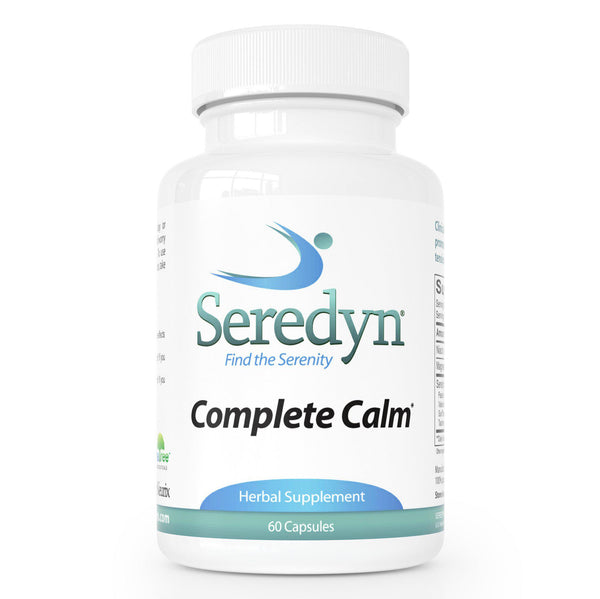

Stress may trigger vertigo in some people because stress hormones like cortisol can affect the vestibular system, which helps the body stay balanced. High stress levels make this system more sensitive, increasing the chances of experiencing vertigo symptoms.
Stress and vertigo can also feed into each other. Feeling off balance may raise stress levels, and high stress can make vertigo worse. People with anxiety disorders or panic symptoms may be more likely to notice vertigo during stress because their nervous system responds more strongly during tense moments.
Stress-related vertigo often appears as sudden dizziness, lightheadedness, or brief imbalance during moments of anxiety or tension. These episodes may feel different from inner ear–related vertigo because the symptoms usually follow emotional triggers, not head movements or illness. Some people experience vertigo after stressful events because the body stays tense and the balance system becomes more reactive.³

Stress-induced vertigo can last a few minutes, several hours, or, in some cases, longer. The duration depends on how the body responds to stress and how quickly stress levels return to normal.
People with chronic stress, poor sleep, or a diet that affects energy and hydration may notice vertigo episodes that last longer or return more often. Recovery time also varies based on overall physical health and how well someone manages their stress triggers.
Stress can trigger vertigo, but many cases come from inner ear conditions. Benign paroxysmal positional vertigo (BPPV) happens when tiny crystals shift and cause spinning sensations, dizziness, nausea, or balance problems during certain head movements. Other inner ear issues, like vestibular neuritis or Meniere’s disease, can also lead to vertigo and may include symptoms such as hearing loss, ringing in the ears, or a feeling of fullness.
Vertigo can also be linked to migraines, viral infections, dehydration, or certain medications. Because causes of vertigo can look similar but require different types of care, identifying them is essential for getting the right support to manage the symptoms.⁶
Stress-related vertigo often appears during emotional triggers, high stress levels, sleep disorders, or moments of anxiety. These episodes may come with a spinning sensation, sudden dizziness, lightheadedness, nausea, or brief balance problems, and they usually line up with stressful events rather than physical movements.¹
Keeping a simple symptom diary can help you note when episodes happen, what you were feeling at the time, and any other physical symptoms, making patterns easier to recognize. It’s important to seek medical care if vertigo becomes frequent, grows more intense, or appears with new signs like hearing loss, strong headaches, or difficulty walking.⁴
Deep breathing, hydration, rest, and steady daily habits may help your body respond better to tension. Seredyn may help support a calmer mindset alongside these wellness practices.
View Product DetailsDizziness is one of the ways stress shows up in the body, often catching people off guard. It may feel like brief unsteadiness or a quick wave of lightheadedness. Here are simple tips that can help you manage stress-related dizziness when it strikes.
Managing stress each day can help reduce the risk of vertigo symptoms during tense moments. Simple habits like meditation, deep breathing, and mindfulness help calm the nervous system and may help reduce stress and ease vertigo. These steps give your body a steadier baseline, which may help you feel more grounded when stress and anxiety start to build.
Learn more about BioNeurix stress‑support ingredients and explore the Seredyn formula, which combines passion flower, valerian, L‑theanine, niacinamide, magnesium, and taurine to promote relaxation and everyday calm.
Your everyday routine has a major influence on how your body handles vertigo and other physical symptoms. Regular exercise can support how your body handles stress, staying hydrated supports the inner ear and overall balance, and a balanced diet gives you the nutrients needed for steady energy and well-being. When these habits become part of your daily rhythm, it becomes easier for your body to cope with chronic stress, which may help keep stress-related vertigo from becoming more frequent or more disruptive.
Vestibular rehabilitation exercises can help a lot if you keep experiencing vertigo symptoms. These gentle movements teach your vestibular system, your body’s balance system, to adjust better during head movements and changes in spatial orientation. They may help reduce dizziness linked to benign paroxysmal positional vertigo and other inner ear problems, helping you feel more stable day to day.²
It’s important to reach out for help if your vertigo attacks become intense, last longer than a few hours, or worsen over time. A doctor can check for inner ear infections or other conditions, including Meniere’s disease or benign paroxysmal positional vertigo. A vestibular therapist can guide you through specific head movements and other exercises to retrain your vestibular nerve, and a healthcare provider may prescribe medications when needed.⁵
You can reduce the risk of stress-induced vertigo by establishing habits that support a steadier nervous system. Get on a steady sleep schedule to give your balance system a chance to reset. Cutting back on caffeine or alcohol can also make vertigo symptoms easier to handle when stress shows up.
You can add simple relaxation techniques, like deep breathing or a few quiet minutes during the day, to keep your stress levels from climbing. Some people also reach for supplements that support stress management, like BioNeurix’s options, as part of their daily routine.
Stress and vertigo often influence each other, and understanding this connection makes it easier to respond when symptoms appear. Simple habits that offer everyday stress support can steady your balance system and reduce the chances of sudden dizziness. When symptoms linger, intensify, or begin to affect daily tasks, checking in with a healthcare professional is vital to rule out other causes.
Managing stress-triggered vertigo starts with caring for your nervous system. Seredyn Complete Calm is a simple relaxation-support option to consider for your daily wellness routine.
Shop Seredyn Complete CalmFor some people, yes. Stress hormones like cortisol can make the body's balance system more sensitive, which raises the odds of dizziness or a spinning feeling. Many vertigo cases still come from inner ear problems, so stress is one possible cause among several.
It often shows up as sudden dizziness, lightheadedness, or brief unsteadiness during tense moments. Unlike inner ear vertigo, it tends to follow an emotional trigger rather than a head movement.
Episodes can last a few minutes to several hours, and sometimes longer. The timing depends on how your body handles stress and how fast your stress levels settle. Poor sleep or chronic stress can make episodes last longer or return more often.
Stress-related episodes usually line up with anxious or tense moments, not head movements. Keeping a short symptom diary can help you spot the pattern. See a doctor if vertigo is frequent or comes with hearing loss, strong headaches, or trouble walking.
Reach out if attacks are intense, last more than a few hours, or get worse over time. New signs like hearing loss, ringing in the ears, or trouble walking also need a check. A doctor can rule out inner ear conditions and suggest the right treatment.
Balaban, C. D., & Jacob, R. G. (2001). Background and history of the interface between anxiety and vertigo. Journal of Anxiety Disorders, 15(1–2), 27–51. https://doi.org/10.1016/S0887-6185(00)00041-4
Cleveland Clinic. (2022, October 16). Vestibular rehabilitation therapy: What it is & exercises. https://my.clevelandclinic.org/health/treatments/15298-vestibular-rehabilitation
Hoffman, S. L. (n.d.). Anxiety and dizziness: The relationship between anxiety, stress, and vestibular symptoms. ANPT Vestibular SIG Patient Factsheet. https://www.neuropt.org/docs/default-source/vestibular-sig/vsig-english-pt-fact-sheets/anxiety-and-stress-dizziness4ca035a5390366a68a96ff00001fc240.pdf
Konrad HR. Vertigo and Associated Symptoms. In: Walker HK, Hall WD, Hurst JW, editors. Clinical Methods: The History, Physical, and Laboratory Examinations. 3rd edition. Boston: Butterworths; 1990. Chapter 123. Available from: https://www.ncbi.nlm.nih.gov/books/NBK228/
Mayo Clinic Staff. (2024, January 3). Menière’s disease—Diagnosis and treatment. Mayo Clinic. https://www.mayoclinic.org/diseases-conditions/menieres-disease/diagnosis-treatment/drc-20374916
Staab, J. P., & Ruckenstein, M. J. (2007). Expanding the differential diagnosis of chronic dizziness. Archives of Otolaryngology–Head & Neck Surgery, 133(2), 170–176. https://doi.org/10.1001/archotol.133.2.170