Your Cart is Empty


If you've ever left a party feeling more exhausted than when you arrived, or canceled plans because the thought of one more conversation felt impossible, you've experienced a low social battery. The term describes your finite reserve of energy for social interactions, and when it runs out, the signs are real: physical tiredness, mental fog, and a deep pull toward solitude.
The good news is that your social battery isn't fixed. Below, we cover what drains it, how to spot when it's running low, and proven strategies to recharge faster and sustain longer interactions, without forcing yourself into burnout.
Low social battery often signals deeper energy and mood imbalances. Amoryn Mood Booster supports steady serotonin and dopamine levels, helping you feel more present and less depleted, naturally.
Learn More About Amoryn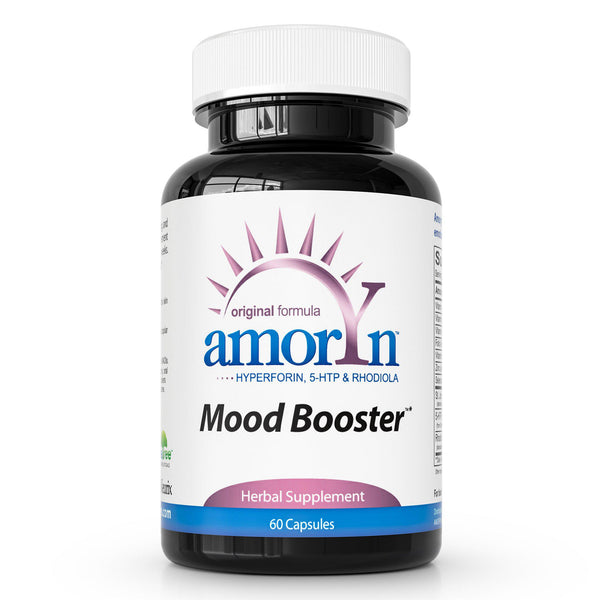
A social battery refers to our energy reserves for social interactions. Much like a smartphone battery that depletes with use, our social energy wanes as we spend time in social settings. This depletion can affect both our personal and professional lives, leading to feelings of exhaustion, social anxiety, and reduced productivity. Recognizing when your social battery is low is crucial for maintaining a balanced life.
Signs of a low social battery include feeling physically tired, less interest in social activities, and a strong desire for alone time. You might also experience social battery drainage during certain events or after extended periods of socializing, leaving you feeling overwhelmed or withdrawn. Identifying these signs helps you proactively increase your social stamina and well-being.
Understanding your social battery begins with assessing your current social stamina. Self-assessment tools and indicators can help gauge how much social energy you have at any given time. You can better manage your interactions and activities by identifying your social energy patterns and triggers.
Here are some ways to assess your social energy levels:
Take note of how you feel after social interactions. Do you feel energized or drained? Recognize patterns in your mood and energy levels.
Maintain a journal to track your feelings and energy after various social events. Record details about the event, the people involved, and your overall experience.
Pay attention to physical signs like fatigue, headaches, or a racing heart, as well as emotional cues such as irritability or anxiety.
Ask close friends or family members for their observations on your social interactions. They might notice patterns you haven't recognized.
Online tools and questionnaires measure social anxiety and social stamina. These can provide insights into your social energy levels.

Increasing your social battery involves adopting strategies that gradually enhance your capacity for social interactions. By incorporating these techniques into your daily life, you can build social stamina and enjoy more fulfilling social experiences.
Slowly increasing time spent in social settings helps build tolerance without overwhelming yourself. Gradual exposure enhances your social stamina while effectively managing your social battery.
Start Small: Begin with brief, low-pressure social interactions and gradually extend the duration.
Set Goals: Establish achievable goals for social activities, such as attending a small gathering for 30 minutes.
Take Breaks: Schedule breaks during social events to rest and recharge.
One-on-One Meetups: Meet one friend for coffee or a walk.
Hobby Groups: Join a group centered around a hobby you enjoy, like a book club or art class.
Casual Outings: Participate in casual group activities, such as a movie night or a picnic.
Outdoor Activities: Engage in outdoor activities like hiking or visiting a park, which can be less stressful than indoor events.
When stress chips away at your mood, your social energy goes with it. Amoryn combines saffron, B vitamins, and other research-backed ingredients to help you stay balanced and bounce back faster from social fatigue.
See How Amoryn WorksEnhancing social skills can significantly improve how you manage your social energy. Better communication, emotional intelligence, and conflict-resolution abilities can make interactions more enjoyable and less draining.
Communication Skills: Active listening, clear expression, and understanding of non-verbal cues make interactions smoother and reduce misunderstandings.
Emotional Intelligence: Managing emotions and understanding others' feelings fosters empathy and deeper connections, reducing stress.
Conflict Resolution: Calmly and effectively resolving conflicts helps handle disagreements constructively without depleting your social battery.
Workshops: Attend workshops on communication, emotional intelligence, or conflict resolution.
Online Courses: Enroll in courses on platforms like Coursera, Udemy, or LinkedIn Learning.
Books and Articles: Read books and articles by experts such as Dr. Deborah Lee.
Practice with Friends: Use interactions with close friends to practice and receive feedback.
Role-Playing: Immerse in role-playing exercises to simulate social scenarios.
Join Clubs or Groups: Participate in clubs or groups to practice social skills in a supportive environment.
Deep, meaningful relationships play a crucial role in enhancing your social energy. These connections provide emotional support, reduce feelings of loneliness, and make social interactions more fulfilling.
Balancing social activity with adequate rest is essential for maintaining a healthy social battery. Proper downtime helps recharge your social energy, ensuring you can interact without feeling drained.
Mindfulness: Practice mindfulness or meditation to relax your mind and body. This can help reduce stress and improve overall mental health.
Hobbies: Engage in hobbies that you enjoy, such as reading, painting, or playing a musical instrument. These activities can be both relaxing and rejuvenating.
Physical Activity: To balance your body and mind, incorporate light physical activities like yoga, walking, or stretching.
Nature: Spend time in nature, whether it's a walk in the park or a hike. Natural surroundings can have a calming and therapeutic effect.
Quiet Time: Schedule quiet time for yourself, free from social interactions and digital distractions. This can help you recharge more effectively.

Managing stress levels and maintaining good mental health is crucial for a more robust social battery. When stress is under control, social interactions become more enjoyable and less draining.
Regular Exercise: Regularly exercise to reduce stress and boost your energy levels. Even a short walk can make a difference.
Adequate Sleep: Ensure you sleep enough each night to allow your body and mind to recharge. Poor sleep can quickly deplete your social energy.
Balanced Diet: Maintain a healthy diet to support your overall well-being. Proper nutrition helps sustain energy levels and mental clarity.
Relaxation Techniques: To calm your mind and reduce stress, practice relaxation techniques such as deep breathing, meditation, or yoga.
Time Management: Plan your day effectively to avoid feeling overwhelmed. Allocate time for work, social activities, and rest to maintain a healthy balance.
Creating a structured routine helps manage social energy more efficiently. A predictable routine allows you to plan social activities and allocate time for rest, ensuring a balanced social battery.
Predict Energy Expenditure: Knowing when social interactions will occur helps you prepare and manage your energy levels.
Balanced Schedule: Structure your day to include social activities and downtime, preventing social battery drainage.
Consistency: A consistent routine reduces stress and enhances overall mental health, strengthening social battery.
Digital interactions can impact social energy, sometimes draining it, but technology can enhance your social battery with mindful use.
Energy Drain: Excessive online interactions can be as draining as in-person ones, leading to social battery drainage.
Disconnection: Overreliance on digital communication can reduce the quality of real-life interactions.
Set Limits: Limit time spent on social media to prevent feeling overwhelmed.
Use Mindfully: Immerse in meaningful digital interactions that uplift rather than drain your energy.
Take Breaks: Incorporate regular breaks from screens to recharge your social battery.

Tracking social stamina and energy improvements helps you understand what works best for managing your social battery.
Journals: Keep a journal to record social interactions and your feelings associated with them. Note energy levels before and after social activities.
Apps: Use apps designed to monitor mental health and social interactions. These tools can provide insights and help you track progress over time.
Self-Reflection: Regularly reflect on your social experiences and adjust strategies to optimize your social battery.
Increasing your social battery involves adopting key strategies like prioritizing self-care, setting boundaries, developing social skills, and managing stress.
By gradually extending social exposure and mindfully using technology, you can enhance your social stamina and enjoy more fulfilling interactions.
Stay motivated and self-aware in managing your social energy, and remember that small, consistent efforts can immensely improve your social life.
Boundaries and rest help, but your brain needs the right nutrients too. Amoryn Mood Booster gives you research-backed support for steady mood and energy, so you can show up for the people who matter without burning out.
Shop Amoryn NowA social battery represents your energy levels for social interactions, determining how much social activity you can comfortably handle.
It varies. Mild drainage might recover after a few hours of quiet time or a good night's sleep. Severe social burnout, especially after weeks of overcommitment, can take days or even longer of intentional rest to fully recover. Listening to your body and respecting its signals speeds the process.
Generally, yes. Introverts tend to deplete social energy faster and recharge through solitude, while extroverts often gain energy from social interaction. But the spectrum is wide, and even extroverts experience social burnout. Your social battery size is influenced by personality, sleep, stress, and life circumstances, not just introversion or extroversion.
Start by gradually extending your social exposure with low-stress activities like one-on-one meetups, hobby groups, and casual outings.
Technology can drain social energy if overused, but mindful use and setting limits can enhance your social battery.
Cruz, S., Sousa, M., Marchante, M., & Coelho, V. A. (2023). Trajectories of social withdrawal and social anxiety and their relationship with self-esteem before, during, and after the school lockdowns. Scientific reports, 13(1), 16376. https://doi.org/10.1038/s41598-023-43497-w
Luo, M., Pauly, T., Röcke, C., & Hülür, G. (2022). Alternating time spent on social interactions and solitude in healthy older adults. British journal of psychology (London, England : 1953), 113(4), 987–1008. https://doi.org/10.1111/bjop.12586
Sette, S., Pecora, G., Laghi, F., & Coplan, R. J. (2023). Motivations for Social Withdrawal, Mental Health, and Well-Being in Emerging Adulthood: A Person-Oriented Approach. Behavioral sciences (Basel, Switzerland), 13(12), 977. https://doi.org/10.3390/bs13120977
Tuovinen, S., Tang, X., & Salmela-Aro, K. (2020). Introversion and Social Engagement: Scale Validation, Their Interaction, and Positive Association With Self-Esteem. Frontiers in psychology, 11, 590748. https://doi.org/10.3389/fpsyg.2020.590748
Yao, Z., & Yu, R. (2016). The Spreading of Social Energy: How Exposure to Positive and Negative Social News Affects Behavior. PloS one, 11(6), e0156062. https://doi.org/10.1371/journal.pone.0156062